
Show summary Hide summary
- Recent research raises alarming questions about CTE rates in former players
- How CTE affects the brain and everyday life
- Youth trends: flag football climbs as tackle numbers slip
- Economic and demographic forces shaping who still plays tackle
- Short-term view: the NFL remains a ratings powerhouse
- Possible scenarios for the sport’s future and safety policy
- What researchers and parents will be watching next
- Debates ahead as the season kicks off
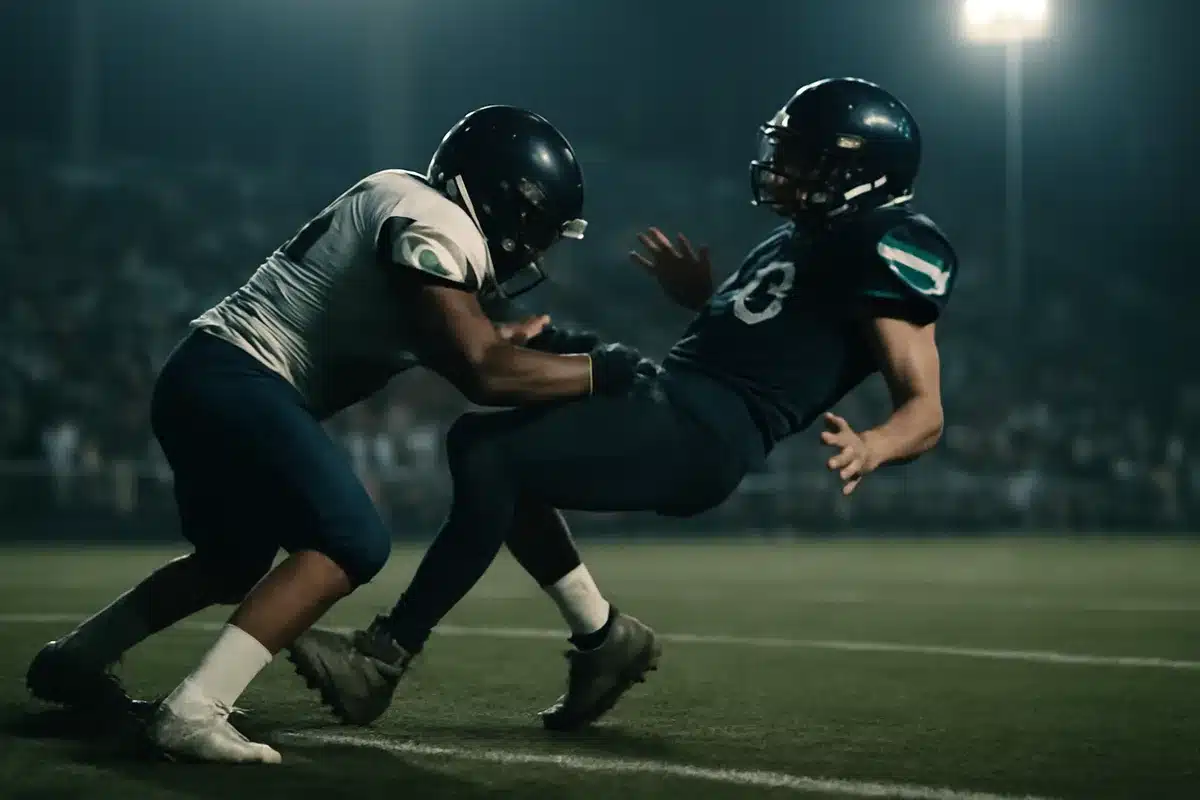
As the new NFL season arrives, the roar of stadiums and the glow of living rooms will hide a harder truth. Repeated helmet-to-helmet hits, the kind that leave players momentarily stunned on the turf, are drawing renewed scientific scrutiny. A major new analysis of former NFL players’ deaths now suggests the long-term cost of those collisions may be far larger than previously believed.
Recent research raises alarming questions about CTE rates in former players
Researchers publishing in BMJ examined death records and brain donations from hundreds of retired NFL athletes. Their findings point to a troubling link between professional football and chronic traumatic encephalopathy, or CTE.
Nas slams music industry over disrespect: teases new music, vows to address it
1992 vocal performances: 3 jaw-dropping moments that still amaze

At least one in four former players who died between 2016 and 2021 showed evidence of CTE at autopsy, the study reports. Among brains specifically donated for neuropathological study, the rate was dramatically higher: 93 percent had CTE.
Scientists warn that the 93 percent figure may be skewed by selection bias. Families or players worried about symptoms are more likely to donate brains for research. Still, the study’s authors say the data suggest the true prevalence could be far higher than earlier estimates.
How CTE affects the brain and everyday life
CTE is a progressive neurodegenerative disorder linked to repeated head trauma. It does not show up in living patients through a single definitive test. Instead, diagnosis is made after death via brain tissue examination.
- Symptoms commonly include cognitive decline and dementia.
- Mood disorders such as depression and impulsivity are frequent.
- Some cases are associated with suicidal behavior and profound personality change.
Because the disease advances slowly, symptoms often appear years or decades after a playing career ends. That makes connecting the dots between hits on the field and later-life illness challenging for families and researchers.
Youth trends: flag football climbs as tackle numbers slip
At the same time the research spotlight grows, youth football participation is shifting. The Aspen Institute’s State of Play surveys show clear movement away from tackle for many young athletes.
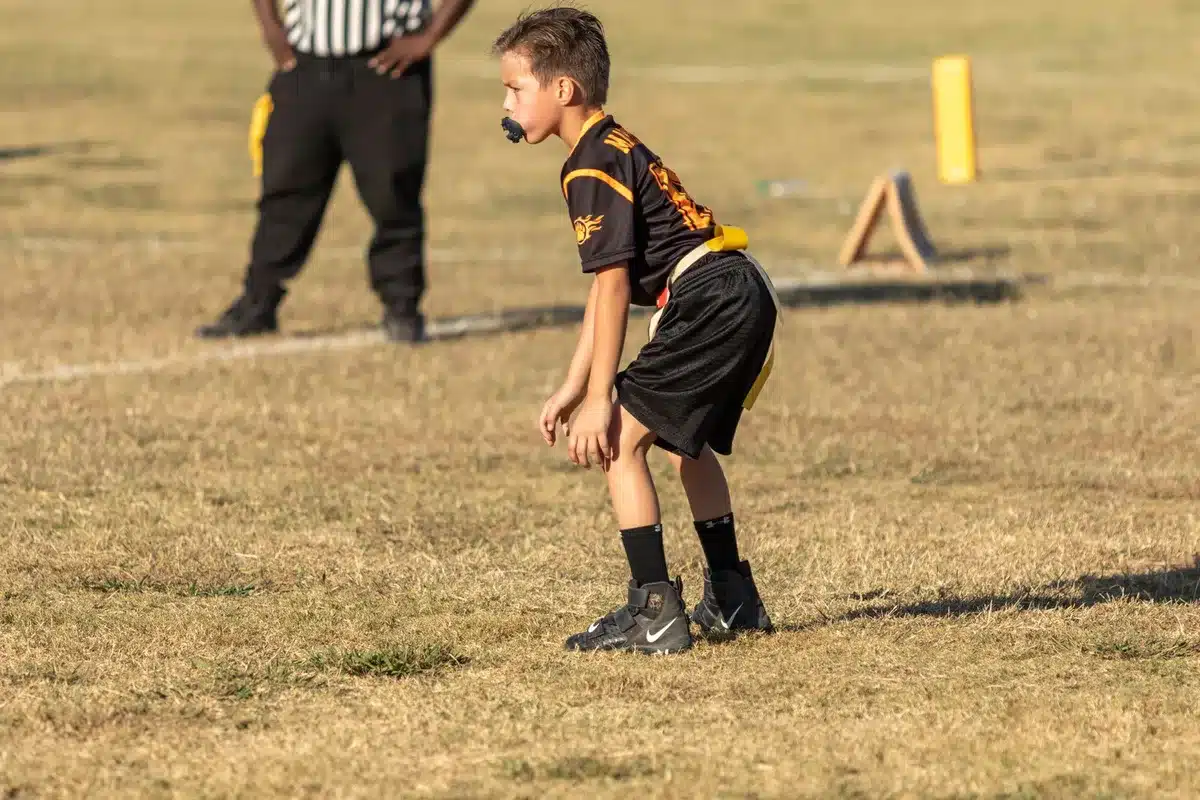
- Flag football participation for ages 6–12 rose by 13.6 percent from 2019 to 2024.
- Tackle football among 6–12-year-olds fell by 7 percent in that period.
- For older teens, ages 13–17, tackle participation declined by 9 percent between 2019 and 2024.
Many kids who switch to flag may never put on pads and helmets to play tackle. That shift could slowly reduce the pool of athletes advancing to high school, college, and ultimately the NFL.
Economic and demographic forces shaping who still plays tackle
The changing pipeline is not evenly distributed across communities. For some families, football remains a practical route to scholarships and economic opportunity.
With college athletes now able to earn money from their name, image, and likeness, elite players can receive substantial income before reaching the pros. That financial upside keeps some athletes and parents invested in tackle despite the risks.
- Lower-income families are disproportionately represented among those who continue playing tackle.
- Black and Hispanic players have become a larger share of college rosters in recent years.
- Recruitment and opportunity patterns mean that concerns about head trauma weigh differently across socio-economic groups.
Analysts describe a familiar pattern: a violent sport watched by millions, with participants often drawn from less-advantaged backgrounds hoping to climb economically through athletic success.
Short-term view: the NFL remains a ratings powerhouse
In the immediate term, the league’s audience shows no signs of collapse. NFL games dominated top television charts last season. The Super Bowl is still expected to draw over 100 million viewers.
Mass viewership gives the NFL enormous cultural influence and revenue. That creates a buffer against sudden declines in popularity. But viewership success today does not erase future risks tied to a shrinking youth base.
Possible scenarios for the sport’s future and safety policy
As participation patterns shift and science pressures change, several pathways could shape football’s future.
- Rules and equipment evolve to reduce head impacts and lower CTE risk.
- Flag and non-contact variants grow as the preferred entry point for families.
- Recruitment funnels toward regions and communities where tackle remains culturally central.
- Legal and regulatory interventions tighten safety standards at youth and amateur levels.
The balance between preserving the sport fans love and protecting players’ long-term health is becoming a central debate. That argument will involve medical evidence, cultural values, and economic incentives all at once.
What researchers and parents will be watching next
Scientists say more brain donations and longitudinal studies are needed to pin down true CTE rates across all levels of play. Without wider sampling, key questions about prevalence and risk factors will remain open.
- How common is CTE among non-professional players?
- At what age or level do repeated head impacts become most dangerous?
- Which interventions—rule changes, coaching, equipment—actually reduce long-term harm?
Parents, coaches, and policymakers will look for clearer answers. The stakes include not only player health but also the future availability of athletes who can sustain the sport at the high school, college, and professional ranks.
Debates ahead as the season kicks off
Every kickoff this season will bring both excitement and new reminders of the unanswered questions about football’s safety. The BMJ study has intensified those debates, pushing stakeholders to weigh the game’s cultural importance against mounting evidence of potential harm.
How the sport adapts in policy, youth programming, and public messaging will shape whether participation rebounds, continues to fragment, or transforms into a different kind of game altogether. The coming years will reveal which path football takes as science, families, and institutions respond.










