
Show summary Hide summary
- How directors captured an unscripted family moment
- Techniques that made reactions feel authentic
- Psychology and trust on set
- Editing choices that preserved honesty
- Logistical challenges during the reunion shoot
- Ethics: consent, editing and audience expectation
- Public and critical reaction to the reunion footage
- What this approach means for music films going forward
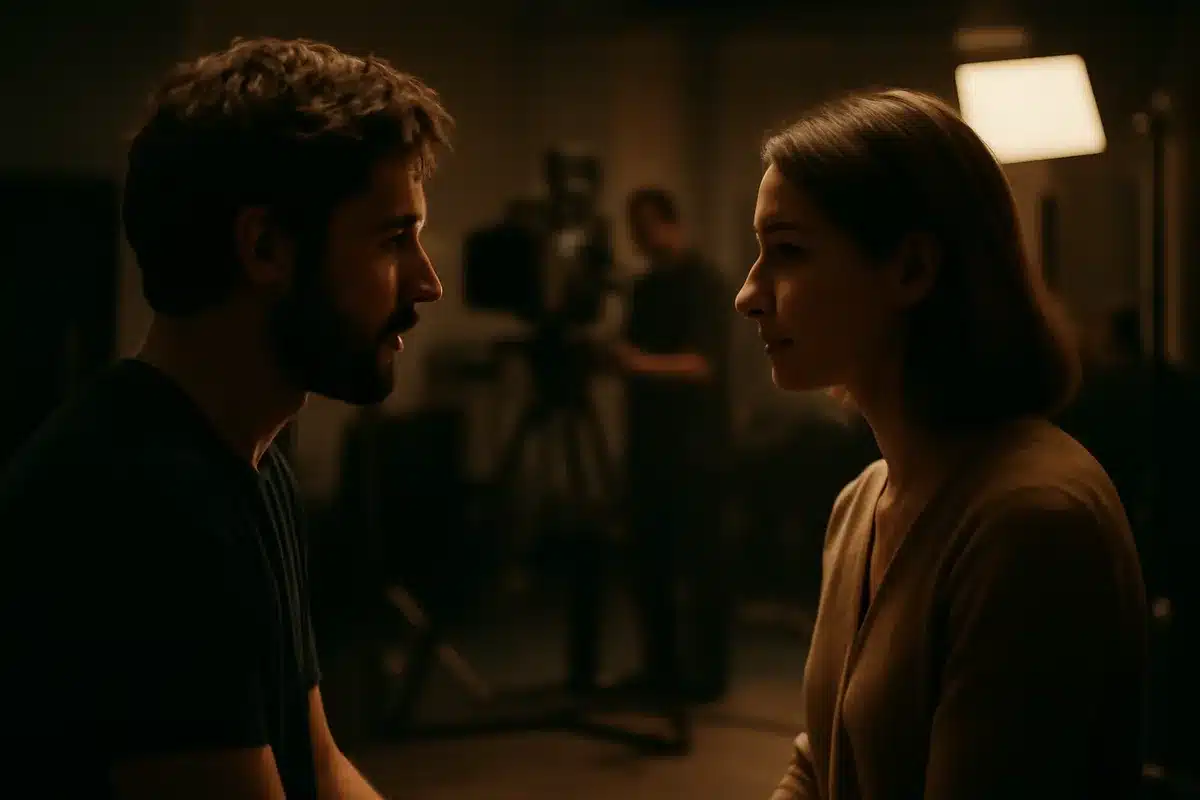
The moment two estranged brothers stood face to face again drew headlines and moist eyes. Filmmakers behind the Oasis reunion documentary say the scene was not staged. They credit methodical planning, fast choices on the day and a few creative camera tricks for the raw emotion viewers saw.
How directors captured an unscripted family moment
Directors told reporters the goal was simple: capture truth, not theater. That meant resisting the urge to prompt, rehearse or direct the brothers’ interaction. Instead, the crew focused on removing barriers between the camera and the moment.
Nas slams music industry over disrespect: teases new music, vows to address it
1992 vocal performances: 3 jaw-dropping moments that still amaze
Minimal crew, maximal realism
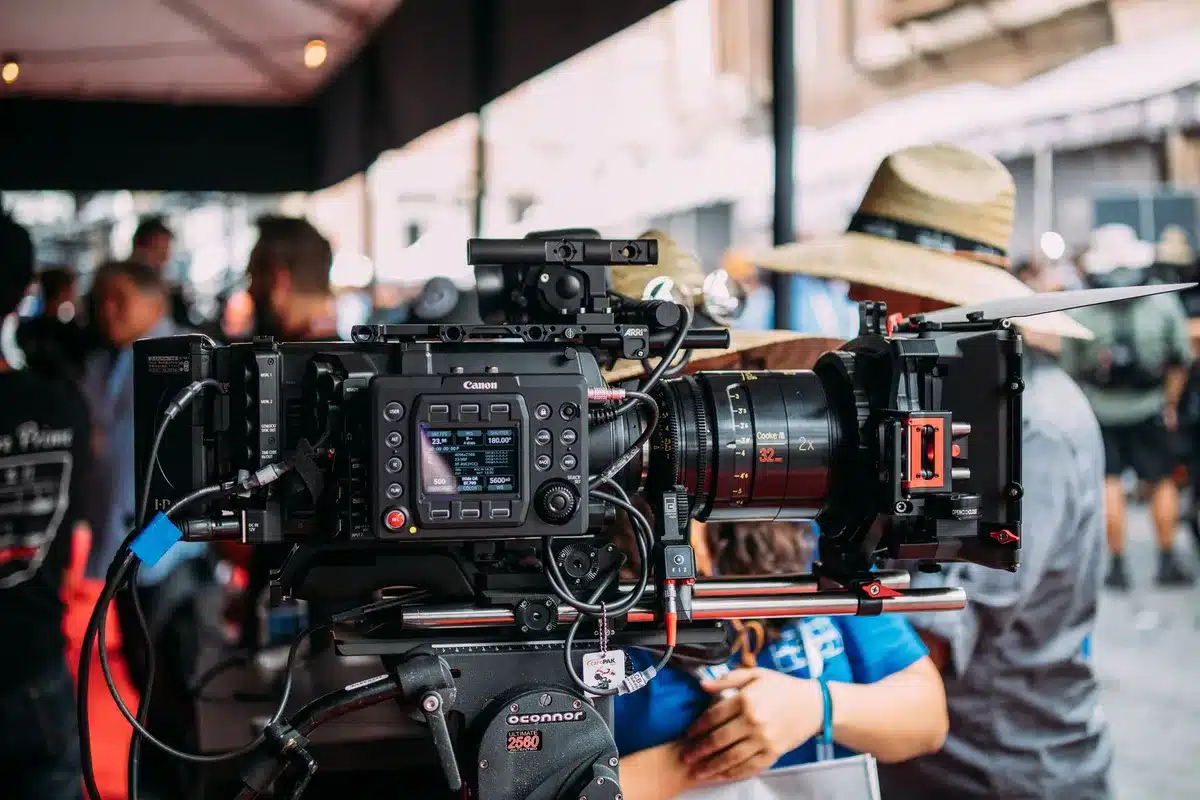
Filmmakers used small teams to keep the space intimate. A compact crew reduces distractions. It helps participants behave naturally.
- Only essential technicians were present.
- Sound and camera rigs were kept discreet.
- Cameras were positioned to be peripheral, not provocative.
Techniques that made reactions feel authentic
Several technical choices promoted spontaneity. Long lenses offered respectful distance. Silent rolling recorded everything, even the quiet breathes.
- Continuous shooting rather than short takes.
- Multiple angles to preserve natural flow in editing.
- Use of ambient light to avoid striking poses for lighting setups.
Letting the scene unfold
According to the filmmakers, the turning point was when they stopped intervening. They let the brothers speak freely. They let silences breathe. Those pauses created the moments audiences remember.
Psychology and trust on set
Beyond cameras, the team built a calm atmosphere. Trust reduced performance. That required several soft skills as much as technical ones.
- Pre-shoot conversations to explain intent and boundaries.
- Clear consent for both filming and later use of footage.
- Limiting crew movement and noise during sensitive exchanges.
Respect for the subjects was cited as a core principle. Filmmakers said they prioritized the brothers’ comfort over getting a dramatic shot.
Editing choices that preserved honesty
Capturing raw footage was only half the job. Editors shaped the story without inventing emotion. They avoided splicing lines to create false cause-and-effect.

- Sequencing focused on continuity and context.
- Retained awkward or mundane beats to keep scenes believable.
- Audio edits kept natural overlaps and interruptions.
Editors resisted the temptation to heighten tension artificially. The team aimed for a narrative that felt earned, not manufactured.
Logistical challenges during the reunion shoot
Filming two high-profile musicians presented hurdles. Time constraints, media attention and emotional intensity complicated simple tasks.
- Security and privacy had to be balanced with access.
- Scheduling around performances created pressure.
- Emotional volatility required backup plans and on-site support.
To manage these risks, the crew prepared contingency plans. They also kept an empathetic coordinator nearby to step in if tensions rose.
Ethics: consent, editing and audience expectation
Filmmakers said they were mindful of how powerful footage can be. They discussed consent at length and secured clear permission for release. Editors were guided by an ethical code that valued truth over sensationalism.
- Subjects were briefed about how footage might be used.
- Any intrusive or private moments were handled with caution.
- Where clarity was needed, the team sought approval before broadcast.
Transparency and dignity were repeated themes. The filmmakers framed their choices as protecting both the story and the people in it.
Public and critical reaction to the reunion footage
Audiences and critics praised the reunion scene for its emotional honesty. Many noted that the moment felt earned because it showed flaws, silences and imperfect gestures.
- Social media highlighted short clips of the embrace.
- Commentators applauded the restraint shown by filmmakers.
- Some critics asked tough questions about editing and context.
Those mixed responses sparked wider debate about authenticity in music documentaries. The filmmakers welcomed the conversation, saying it validated their careful approach.
What this approach means for music films going forward
The team sees the reunion scene as an example of a broader trend. Audiences now expect honesty. Filmmakers are learning to prioritize empathy over spectacle.
- Smaller crews and longer shoots are becoming common.
- Directors are more likely to avoid staged set pieces.
- Ethical editing practices are now a key selling point.
For the documentarians, the reunion proved that sometimes the best footage comes from patience and restraint. They believe viewers can tell when an emotion is forced and when it is authentic.










