
Show summary Hide summary
- Design, controls, and user experience
- Must-know technical specifications for buyers
- Everyday performance: what you can actually run
- Recharging flexibility and speed
- Expandability: scale your energy storage
- Mobile app: practical features that go beyond monitoring
- Portability, transport, and where it works best
- Pricing, discounts, and what to expect at checkout
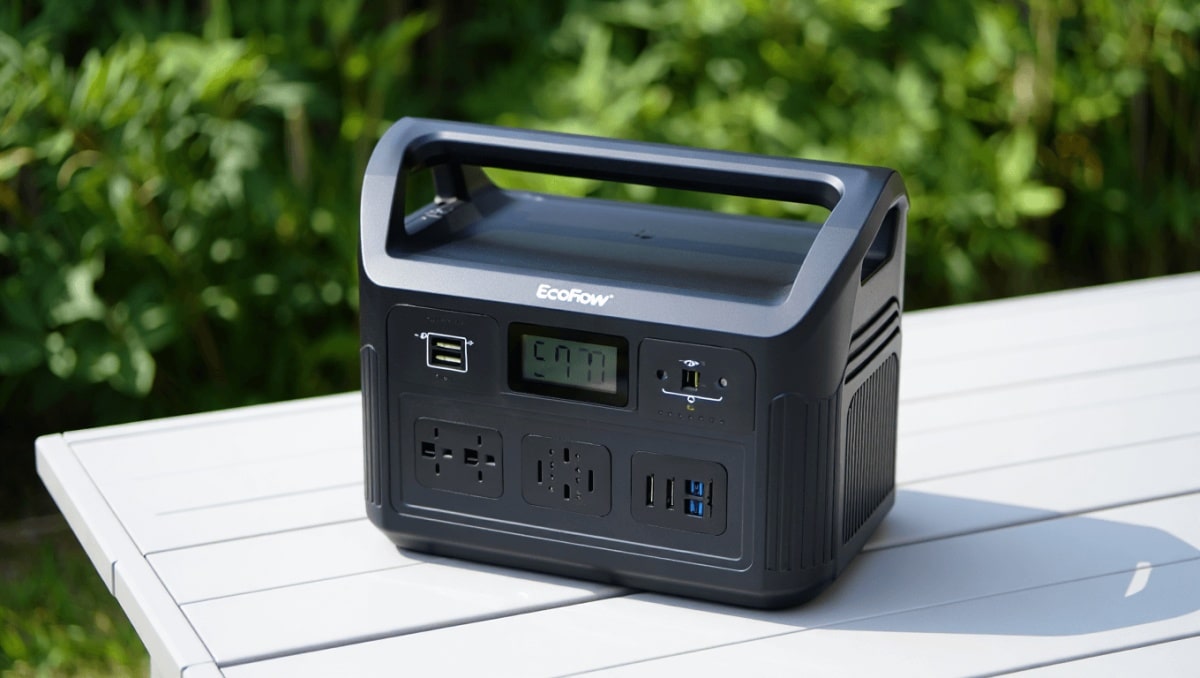
Straight out of the box, the EcoFlow Delta 3 Max Ultra makes a strong first impression: clean lines, hidden labels, and a build that feels purposeful. This heavy-duty portable power station aims to bridge home backup needs and serious off-grid use while remaining approachable for newcomers.
Design, controls, and user experience
The casing avoids loud branding and opts for a refined look. Controls and port labels are intuitive, so users can plug devices in without guessing. Rear ports are protected behind fold-down flaps that tuck neatly away.
Nas slams music industry over disrespect: teases new music, vows to address it
1992 vocal performances: 3 jaw-dropping moments that still amaze
Although the Delta 3 Max Ultra has advanced capabilities, its interface keeps everyday operation simple. The unit balances professional features with a user-friendly layout.
Must-know technical specifications for buyers
Core specs at a glance
- Capacity: 3,072Wh
- Continuous output: 3,600W
- Peak output: 7,200W
- Weight: ~74 pounds
- Size: 15.5 in. D × 12.9 in. W × 24.13 in. H
- Battery chemistry: LiFePO4 (lithium iron phosphate)
- Max solar input: 1,600W
- UPS switching: under 10 milliseconds
- Warranty: 5 years
Ports and outputs
- Four AC outlets
- One 30-amp RV-style plug
- Three USB-C ports (two at 140W)
- One USB-A port
That mix makes the Delta 3 Max Ultra useful for appliances, electronics, and RV setups.
Everyday performance: what you can actually run
With its high surge capacity, the station starts motors and handles power-hungry devices. The built-in 30-amp outlet is especially handy for RVs and larger appliances.
Estimated runtimes from EcoFlow and hands-on use show practical outcomes:
- A 120W fridge can run for around 35 hours.
- A typical microwave can operate for roughly two hours.
- A 100W router can stay online for over 10 days.
- A phone can be recharged roughly 240 times on a full charge.
Tests powering an air fryer, rice cooker, space heater, espresso machine, and microwave confirmed the Delta handles multiple loads well.
Recharging flexibility and speed
One of the Delta 3 Max Ultra’s strengths is its wide range of charging options. Users can combine sources to shorten recharge time.
- AC wall charging: to 80% in about 90 minutes; full in a bit over two hours in testing.
- Solar input: up to 1,600W. EcoFlow cites 80% in about 100 minutes with ideal panels.
- Alternator and generator support.
- Hybrid charging modes: solar + generator or solar + alternator.
AC charging on this unit is quieter than some smaller rivals, making it less intrusive indoors.
Expandability: scale your energy storage
This model supports external battery expansion, a major benefit for long outages or extended off-grid use. Add-ons let owners increase stored energy without replacing the entire system.
- Compatible with up to an additional 8,000Wh via EcoFlow expansion batteries.
- Allows staged upgrades as needs grow.
Mobile app: practical features that go beyond monitoring
EcoFlow’s app provides real-time status and control. It’s straightforward and offers a few standout tools.
- Storm Guard Mode: when activated and plugged into AC, the app will automatically top up the battery ahead of severe weather.
- Smart Output Priority: allocate power to specific ports so your most important devices get priority.
- Graphical readouts and live charging stats make monitoring effortless.
Portability, transport, and where it works best
At about 74 pounds, the Delta 3 Max Ultra is heavy for casual carrying. EcoFlow equips it with rear wheels and a telescoping handle to ease movement.
The rolling system performs well on smooth surfaces like driveways, garages, and packed trails. Wheels struggle on deep gravel or loose sand and won’t replace a vehicle for long treks.
This product is built for semi-permanent placement, garage storage, and vehicle transport rather than frequent shoulder-carried trips.
Pricing, discounts, and what to expect at checkout
List price sits near $2,899, but promotions often drop the cost significantly. Typical sale prices can fall to around $1,600, making it competitive with similar-capacity models.
Bundles or included solar panels can increase value and make a purchase more attractive for buyers building a portable solar system.










