
Show summary Hide summary
- Plot and premise: a slasher about making a slasher
- Director Jane Schoenbrun’s distinctive voice
- Standout performances: Einbinder and Anderson
- Themes: identity, fandom, and the nature of horror
- What fans of indie and queer horror will find
- Extras and ways to dive deeper
- How the film fits in today’s horror landscape
The new film Teenage Sex and Death at Camp Miasma crashes into theaters as a wildly original, bloody riff on slasher lore. It pairs razor-sharp satire with gore, centering queer identities and the film-obsessed youth who chase them. The result is part horror, part film essay, and all invitation to discuss why slashers still matter.
Plot and premise: a slasher about making a slasher
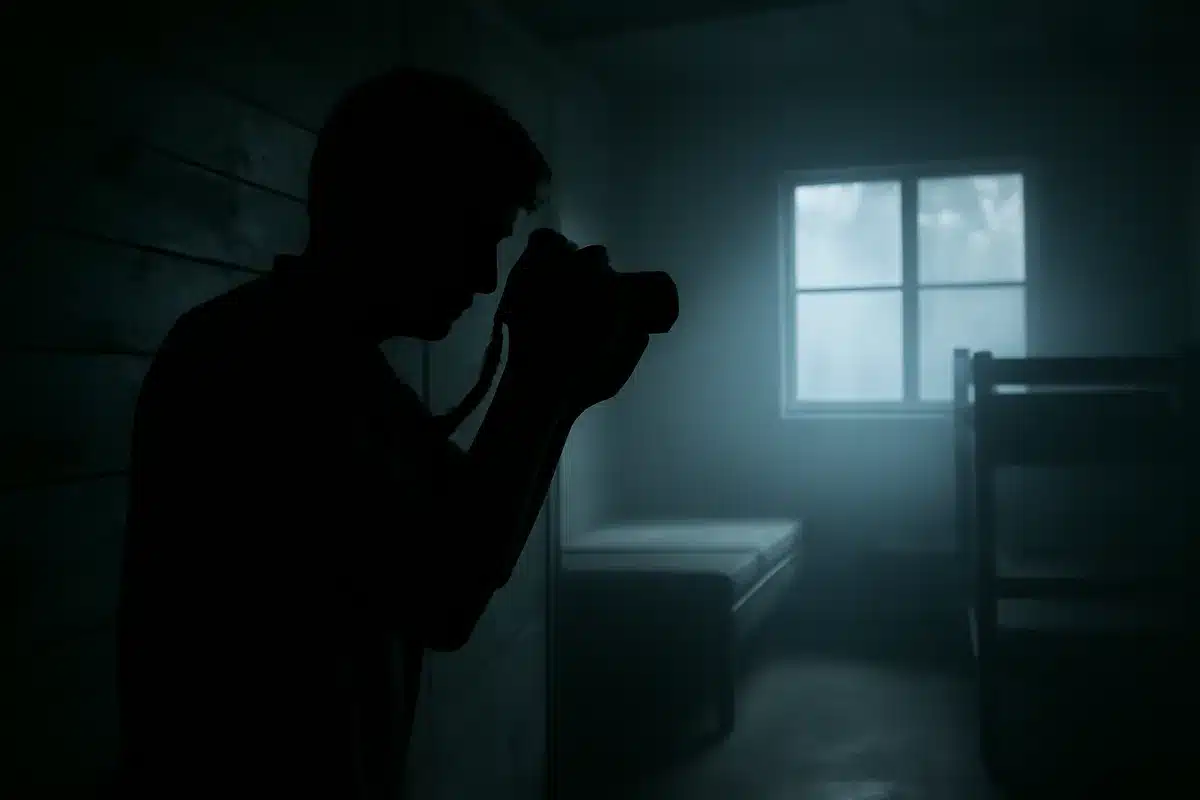
The story follows a young queer filmmaker hired to reboot a dormant horror franchise built around a grim summer camp. She arrives with camera in hand, intent on honoring a legacy while reshaping it for a new generation. As production begins, the lines blur between performance and reality.
Nas slams music industry over disrespect: teases new music, vows to address it
1992 vocal performances: 3 jaw-dropping moments that still amaze

- Genre: Queer slasher, meta-horror, indie drama.
- Central conflict: Reimagining tradition amid real threats.
- Setting: A secluded, eerie summer camp with a cinematic past.
Director Jane Schoenbrun’s distinctive voice
Jane Schoenbrun, who drew attention with I Saw the TV Glow, leans into disorientation and dream logic here. Their direction reframes familiar slasher beats through introspective visuals and a lingering mood. The result feels like a personal essay wrapped in blood and jump scares.
Style choices worth noting
- Deliberate long takes that build tension.
- Audio design that blends diegetic sound with inner monologue.
- Color palettes that shift with the film’s emotional arc.
Standout performances: Einbinder and Anderson
Hannah Einbinder anchors the film as the eager, restless director. She brings an awkward charm and fierce vulnerability to the role. Opposite her, Gillian Anderson plays a reclusive, enigmatic former star who holds the franchise’s secrets.
- Einbinder: Brings humor and heartbreak to a meta role.
- Anderson: Offers restraint that deepens the film’s mystery.
Themes: identity, fandom, and the nature of horror
More than body count and jump scares, the film explores how identity shapes storytelling. It asks who gets to tell scary stories and why those tales matter. The movie also examines how fandom can be both reverent and toxic.

- Sexuality and self-representation in genre films.
- Obsession with legacy franchises and their meaning.
- The tension between homage and exploitation.
The film treats slasher conventions as a lens on modern identity.
What fans of indie and queer horror will find
If you like horror that mixes ideas with thrills, this film delivers. Expect shocks, creative kills, and moments that linger longer than a scream. It’s both a love letter to and a critique of horror fandom.
- Fresh take on slasher tropes.
- Bold representation of queer characters.
- Stylized gore and artful suspense.
Extras and ways to dive deeper
For viewers hungry for more queer indie horror, several recent films explore similar terrain. These picks highlight transfixing visuals and erotic tension in modern genre cinema.
- I Saw the TV Glow — A strange, hypnotic portrait of media obsession.
- Love Lies Bleeding — A queer erotic thriller with intense atmosphere.
How the film fits in today’s horror landscape
Teenage Sex and Death at Camp Miasma arrives at a moment when horror interrogates identity and media itself. It joins a wave of films that use genre mechanics to ask cultural questions. Expect both entertainment and provocation.










