

Show summary Hide summary
Paul Yoon’s Etna arrives as a compact, haunting novel that refuses to be neat. It tells a war story from an unexpected vantage point: the interior life of a dog shaped by battle. The result is both intimate and unsettling, a book that invites readers to reconsider what voice, memory and loyalty mean on the margins of conflict.
Why Etna feels unlike other war novels
Etna is narrated by a dog drafted into military service. This choice flips familiar war narratives. Instead of human strategy and ideology, we get smell, instinct and the slow accumulation of wounds.
Nas slams music industry over disrespect: teases new music, vows to address it
1992 vocal performances: 3 jaw-dropping moments that still amaze
Readers may draw parallels to other recent works about soldiers returning home. Still, Yoon’s book stands on its own. Its stakes are psychological and sensory, not political advocacy.
A canine narrator with a clear, spare voice
The novel’s power rests on a restrained, direct narration. Sentences are often short and observant. The dog’s storytelling is spare, but it carries weight.
Through this voice, the reader tracks memories of a coastal childhood, abrupt separation, and an education in violence. Small, concrete details give the narrative texture.
- Early life: scenes of a litter, maternal protection and the smells of the shore.
- Conscription: a soldier recognizes the dog’s potential and takes him to a base for training.
- Training: lessons in tracking, detecting explosives and attacking targets on command.
Training, tactics and the anatomy of fear
The book describes, in plain language, the functions the dog is taught. The emphasis is on utility. The narrator explains skills with the same calm tone used to recount memory.
Among the techniques the dog learns are:
- how to scent hidden people and buried devices
- recognizing the chemical odors of explosives
- targeted strikes aimed at disabling an enemy
These lessons are conveyed without moralizing. Instead, Yoon shows how training reduces complex human behavior into a sequence of cues and responses.
Wounds, loss and the idea of return
Combat takes its toll. The narrator suffers injuries and watches comrades vanish. The text captures the quiet persistence of trauma.
After repeated harm and the contempt of some soldiers, the dog decides to flee. That decision triggers a different kind of narrative: a journey toward a remembered place, fragile and dim.
Scenes that linger: an ambush and its cost
The novel builds to a violent, nerve-shredding ambush. In that sequence, Yoon stages chaos through sensory collapse.
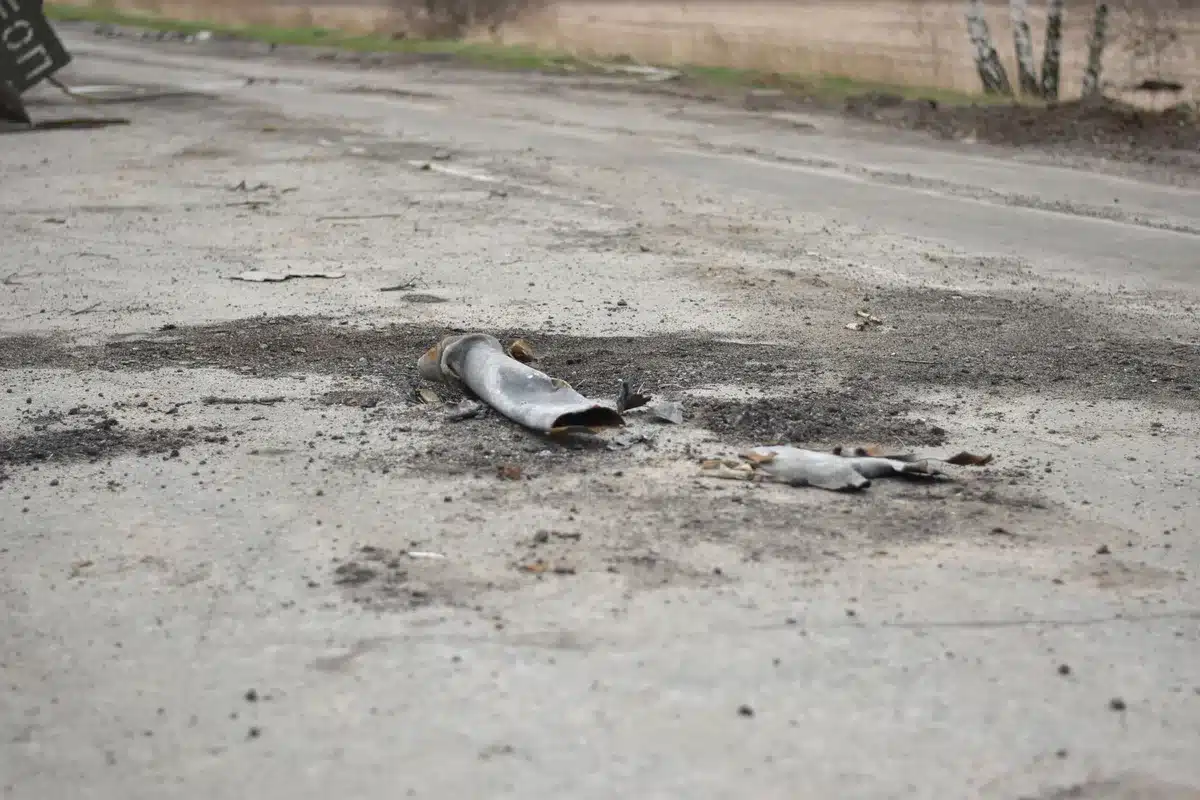
When the mine detonates, individual identities blur. The narration emphasizes a shared human sound and shared vulnerability. The scene reframes combat as a flattening force rather than a stage for heroics.
Language, tone and moral clarity
Yoon trims excess. The prose favors factual observation over rhetorical flourish. That restraint becomes moral pressure.
Because the narrator is not human, judgment comes indirectly. Readers feel the futility of war through witness rather than sermon. This approach echoes classic anti-war literature while remaining distinct.
Comparisons and lineage
Etna sits in a tradition of novels that use personal testimony to critique war. Yet its animal narrator gives the story an uncanny remove.
- It evokes the emotional reach of modern anti-war fiction.
- It avoids predictable metaphors and instead relies on sensory detail.
- Its brevity amplifies every scene.
What makes Etna memorable for readers
Beyond plot, the book’s lasting effect is tonal. The dog’s viewpoint makes violence feel both immediate and absurd.
The novel does not preach. It asks readers to listen to a perspective that most narratives ignore. That quiet insistence is what makes Etna haunting.










