

Show summary Hide summary
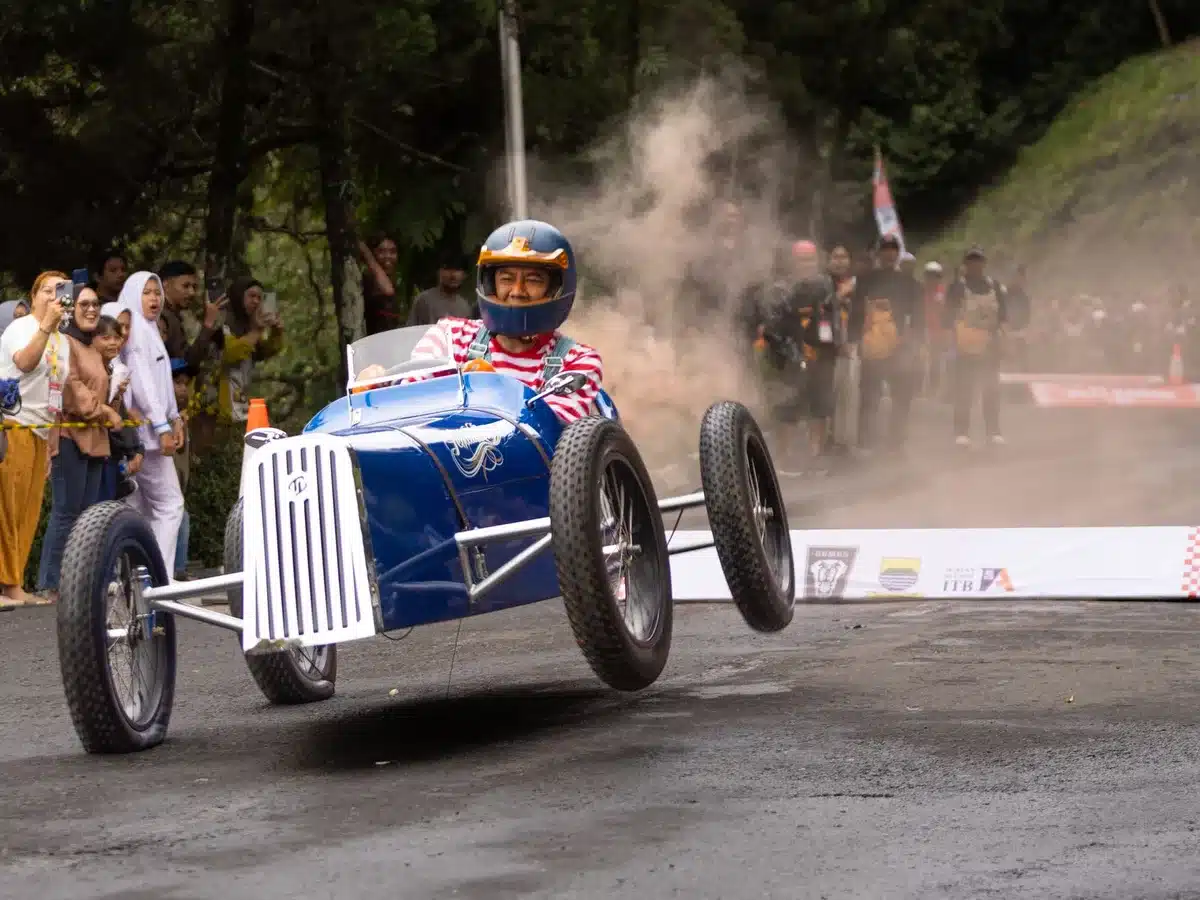
Gravity brought hundreds to Mt. Tabor Park as handmade cars and wildly imaginative contraptions rolled downhill in Portland’s Adult Soap Box Derby. The 27th edition mixed speed with spectacle, turning an old racing tradition into a neighborhood party full of art, laughter and a touch of risk.
From early pushmobiles to a modern soapbox revival
Racing without engines has roots that stretch back more than a century. Early 20th-century novelty races and “pushmobile” events led to organized derby contests by the 1930s.
Nas slams music industry over disrespect: teases new music, vows to address it
1992 vocal performances: 3 jaw-dropping moments that still amaze
The national youth race that began in Ohio became a cultural touchstone. Soapbox cars later popped up on television and in local festivals across the country.
How style and engineering pushed these cars forward
At their core, soapbox cars are built to let gravity do the work. Teams work to reduce drag and improve handling.
- Traditional entries: lightweight wood frames and simple axles.
- Performance upgrades: fiberglass shells and precision bushings.
- Creative tweaks: recycled parts, colorful finishes, and themed props.
Some builders chase speed. Others prioritize showmanship. In Portland, most vehicles aim to dazzle the crowd.
Mt. Tabor’s derby: art, humor and a volcanic run
The Portland event focuses on spectacle as much as racing. Mt. Tabor, an extinct volcano in the city, provides a dramatic slope.
This year 42 teams rolled down the hill. A few cars were aerodynamic, but many looked like moving sculptures.
Standout entries that stole the show
- A giant sloth head that lumbered down the course.
- “The Ice Melter,” a zamboni-style vehicle with a playful rivalry theme.
- A faithful Flintstones-style car built for nostalgia.
- A vehicle referencing Oregon’s infamous exploded whale incident.
- A dragon assembled from hula hoops, foam and an ATV chassis.
Builders used everyday items. Spray foam, hot glue, mirror tiles and faux fur transformed frames into characters.
Building a dragon and other DIY feats
Many cars came from humble garages and improvised toolboxes. One builder described following his child’s drawing as the design blueprint.
He adapted an old ATV chassis and added decorative elements like hoops and foam to create a dragon. The result was part family project, part theatrical prop.
Rules, safety measures and community labor
The derby balances playfulness with safety. Participants must follow basic rules for helmets, brakes and training.
- Required safety gear: helmet and restraints.
- Mandatory brakes and a signed waiver.
- Pre-race safety briefings and course checks.
Organizers emphasize volunteer work. Neighbors clear brush, staff the race, and handle cleanup. The event operates as a nonprofit.
Volunteers run every aspect of the derby, from setup to takedown. That grassroots energy shapes the event’s playful chaos.
Crowds, culture and the thrill of danger
Thousands turn out with lawn chairs and picnic blankets to watch the spectacle. The atmosphere blends a block party with a parade.
Racers and spectators say the mix of creativity and risk is the main draw. Competitors knowingly flirt with danger, which keeps the energy high.
Emergency crews monitor the course. In a nod to the event’s humor, the fire department sometimes arrives in a tiny soapbox unit.










