

Show summary Hide summary
- How a local Zulu drama became a worldwide Netflix phenomenon
- What the story shows: wealth, betrayal and family drama
- The book behind the show: Sue Nyathi’s perspective
- Polygamy in South Africa: law, tradition and public debate
- The creators and their family ties to the subject
- Language choices, dubbing and cultural texture
- Celebrity buzz and social media reactions
- Health campaigns and social conversations sparked by the drama
- Industry impact: what the series means for African storytelling
The Zulu-language telenovela The Polygamist has exploded beyond South Africa, turning a Johannesburg family melodrama into a global streaming sensation. Viewers worldwide are drawn to its mix of wealth, infidelity and explosive plot twists.
How a local Zulu drama became a worldwide Netflix phenomenon
Netflix’s The Polygamist scored huge numbers fast. In its first month the series logged more than 23 million views. It entered the top 10 in 62 countries and reached number one in nearly two dozen markets.
Nas slams music industry over disrespect: teases new music, vows to address it
1992 vocal performances: 3 jaw-dropping moments that still amaze
- Countries from Romania to Hong Kong reported heavy viewing.
- Audiences in the United States also binge-watched the show.
- Celebrity endorsements amplified interest on social media.
Public reactions ranged from shocked delight to fascination with the show’s depiction of luxury and scandal. The series has proven that local stories can command global attention.
What the story shows: wealth, betrayal and family drama
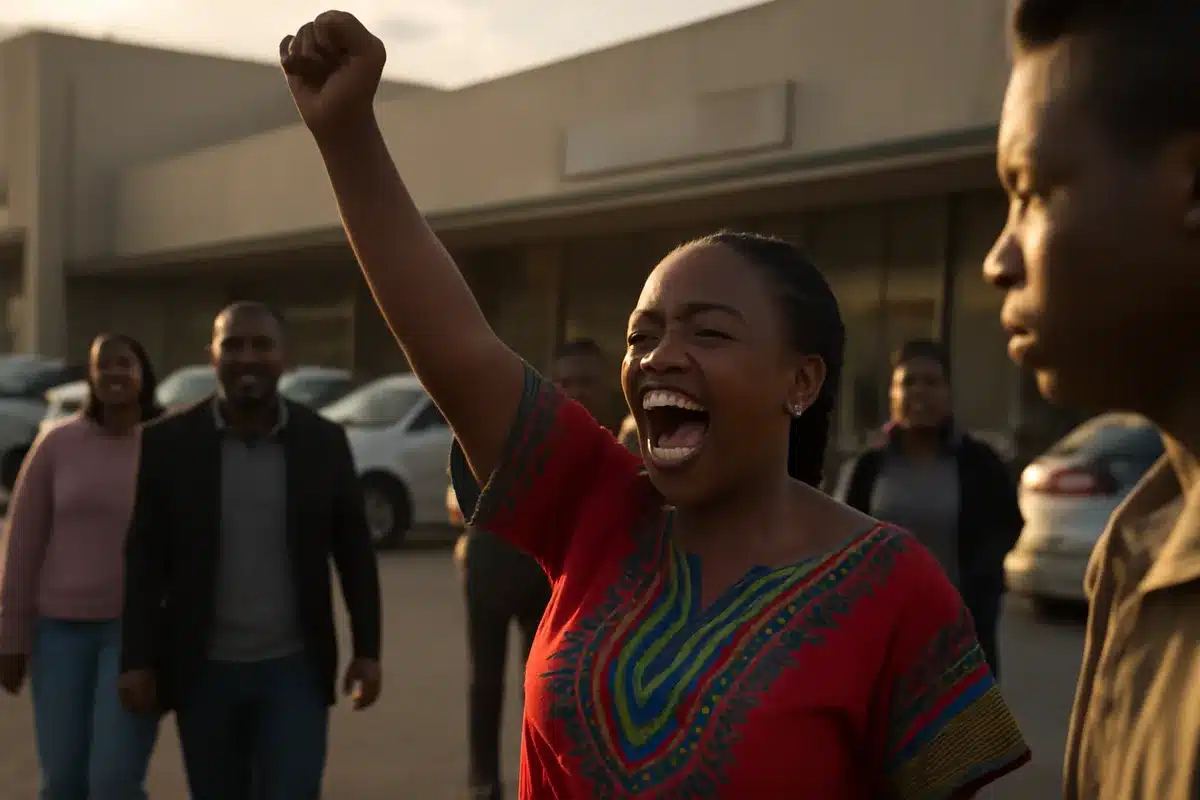
The Polygamist follows the wealthy Gomora family in Johannesburg. At its center is Joyce, a matriarch trying to hold the household together.
Her husband Jonasi keeps a secret second household. Over 22 episodes viewers see betrayals, arson, fiery arguments and intimate scenes. The pace is relentless and designed for bingeing.
Infidelity, jealousy and power plays are core plot engines. Those themes resonate with many viewers, regardless of geography.
Elements that keep viewers glued
- High-stakes emotional conflict.
- Extravagant settings: mansions, designer wardrobes, luxury cars.
- Plot twists that escalate each episode.
- Relatable human drama beneath the spectacle.

The book behind the show: Sue Nyathi’s perspective
Sue Nyathi, the Zimbabwean novelist whose book inspired the series, says the adaptation has driven book sales and public interest. Her novel struggled at first, she says, but now readers are lining up to buy it.
Nyathi wrote to center women’s voices. Her book portrays the harm of secret second families and the emotional fallout for the women involved.
“I wanted to give the women a voice,” she has explained, pushing back on narratives that only highlight men’s justifications for polygamy.
Polygamy in South Africa: law, tradition and public debate
In South Africa, polygamy is recognized under traditional law but not under civil law. Historically, polygamy was open and acknowledged by all parties.
Modern instances can be secretive. This shift—from traditional, transparent unions to concealed relationships—is a key inspiration for Nyathi’s story.
Real-life episodes of royal and political drama have kept the topic in the headlines, including a recent leaked video involving King Misuzulu kaZwelithini and Queen Nomzamo Myeni.
The creators and their family ties to the subject
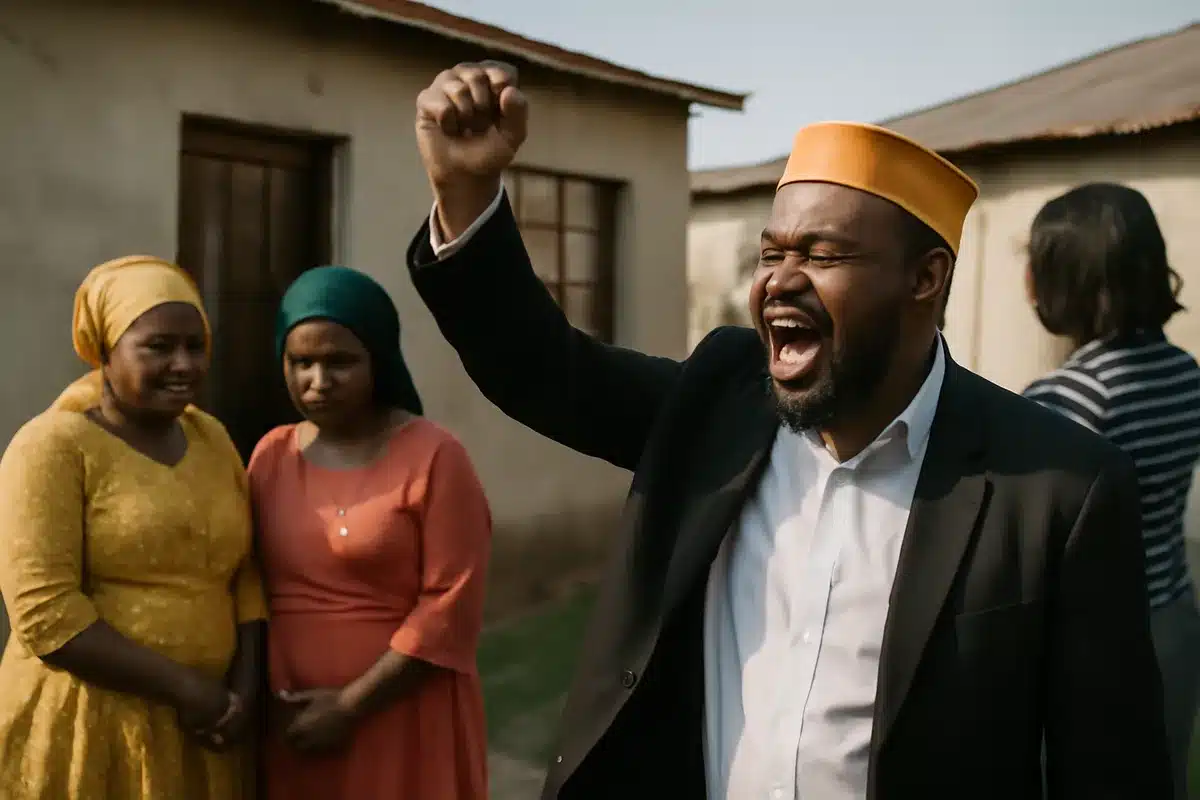
The series is produced by Gugu Zuma-Ncube and Thuli Zuma, daughters of former President Jacob Zuma. His highly publicized polygamous family life informed the creators’ knowledge of the dynamics on screen.
Gugu Zuma-Ncube says growing up in a polygamous household shaped her view of family dynamics. She hopes the show’s success helps African storytellers gain a wider audience.
Language choices, dubbing and cultural texture
The Polygamist is primarily in Zulu and includes English and other local languages. The show also has a dubbed option voiced by South Africans.
Producers kept some vernacular in the dub to preserve local flavor. Viewers learn colloquialisms like “haibo!” and local customs like weekend braais.
Subtitled original audio has attracted fans who want a truer cultural experience. Some international viewers even report learning Zulu phrases from the show.
Celebrity buzz and social media reactions
Celebrities helped amplify the series. Former The View host Sherri Shepherd posted that she was hooked and compared the series’ depiction of wealthy Africans to other global hits.

Social feeds filled with reactions to the plot, the glamour and the scandals. That chatter helped send the show into international charts.
Health campaigns and social conversations sparked by the drama
The Polygamist has prompted debate beyond entertainment. Topics include women’s rights, safe sex and HIV prevention.
- UNAIDS used the show’s lead character in a campaign: “Don’t be a Jonasi. Keep yourself and your partners safe.”
- A provincial government in Limpopo launched an anti-gender-based-violence campaign linking the show’s fiction to real consequences.
These responses show a TV drama can stimulate public-health messaging and push national conversations on gender and safety.
Industry impact: what the series means for African storytelling
Producers say the global reception may open doors for African film and television. The series’ success suggests international audiences want stories rooted in African settings and languages.
Creators and authors hope the attention benefits the wider industry and encourages investment in local talent and narratives.










