

Show summary Hide summary
- Will Ferrell’s new Netflix gamble: a golf comedy for streaming audiences
- A flawed champion: Lonnie Hawkins as a comic study
- Supporting cast and character dynamics that shape the story
- Comedy tools: how The Hawk builds laughs
- Pacing, run time, and the limits of a thin premise
- Notable comic moments worth mentioning
- Comparisons and context: Ferrell versus his comic peers
- Where the show succeeds and where it stumbles
Comedic taste often swings between highbrow cleverness and plain silliness. Will Ferrell has long favored the latter, building a career on broad, affectionate absurdity. His new Netflix series, The Hawk, returns him to familiar territory: big physical jokes, ego-driven antics and a set piece of heart beneath the pratfalls.
Will Ferrell’s new Netflix gamble: a golf comedy for streaming audiences
The Hawk lands on Netflix at a moment when mainstream movie comedy feels strained. Ferrell abandons the feature-film format for a 10-episode, half-hour series. The show leans into a classic formula: a fallen star trying to reclaim past glory. But it stages that comeback on fairways and greens.
Nas slams music industry over disrespect: teases new music, vows to address it
1992 vocal performances: 3 jaw-dropping moments that still amaze
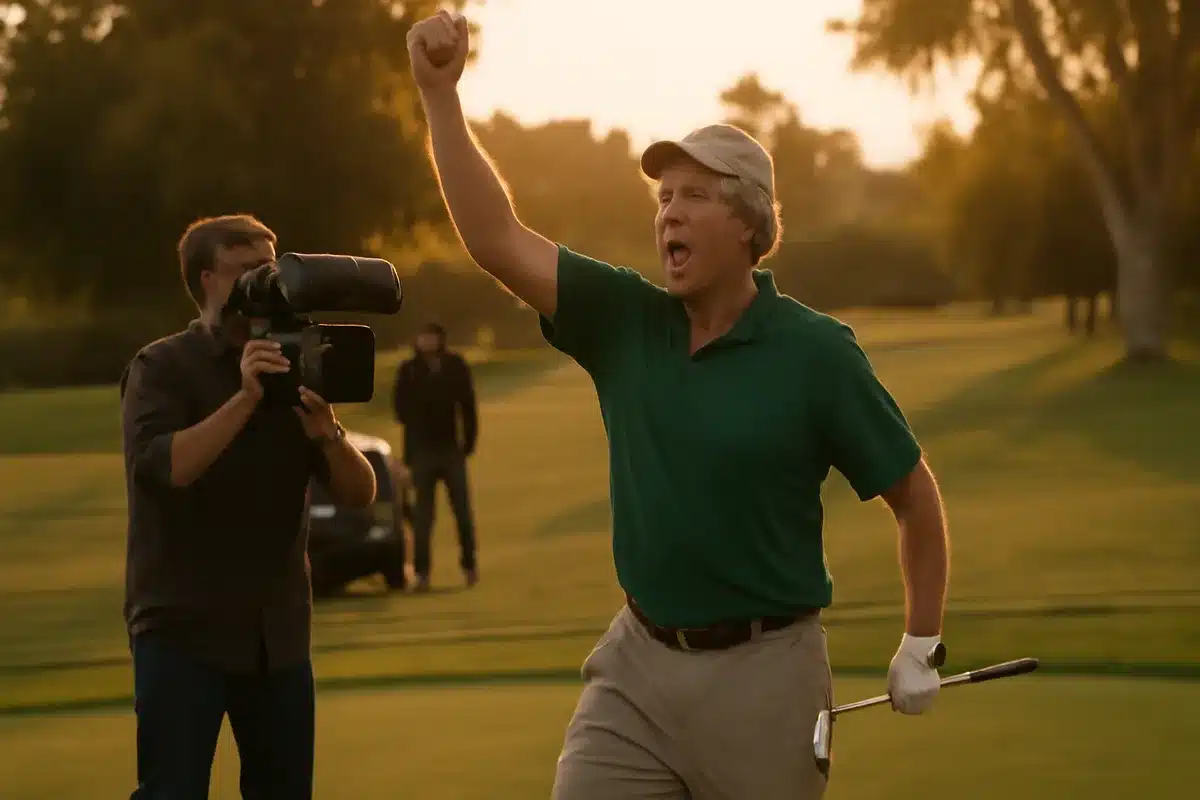
The series follows Lonnie Hawkins, nicknamed “The Hawk,” once the world No. 1 golfer. After a catastrophic missed putt in 2004, Lonnie faded from the spotlight. The show chronicles his attempt to return to professional golf and to wrestle with the people he has hurt along the way.
A flawed champion: Lonnie Hawkins as a comic study
Ferrell plays Lonnie with his usual mix of bravado and bafflement. This is the overgrown-boy archetype Ferrell has long mined. Lonnie boasts, struts and indulges in outlandish rituals on the course. Yet the performance keeps a sliver of vulnerability.

Lonnie is selfish but oddly endearing. He makes choices that frustrate others, yet he never becomes irredeemable. Ferrell’s physical presence and timing sustain the character, from panicked bursts of energy to absurdly earnest musical moments.
Supporting cast and character dynamics that shape the story
The show surrounds Lonnie with a cast of foils and allies. Standouts include:
- Sam (played by Fortune Feimster) — a free-spirited caddy who rescues Lonnie from a parking-lot low point and becomes his unlikely partner.
- Stacy (Molly Shannon) — Lonnie’s ex-wife, blunt and scathing, who resents his return to celebrity life.
- Lance (Jimmy Tatro) — Lonnie’s son, a taut professional rival with a simmering personal crisis.
- Rival players — including a smug nemesis played by Luke Wilson, who personifies the golf establishment’s disdain.
These relationships drive both the humor and the emotional stakes. The rivalry with Lance introduces an Oedipal tension that gives the show a personal core.
Comedy tools: how The Hawk builds laughs
The series pulls from a wide comic toolkit. Expect:
- Genre parody and send-ups of sports-culture pomposity.
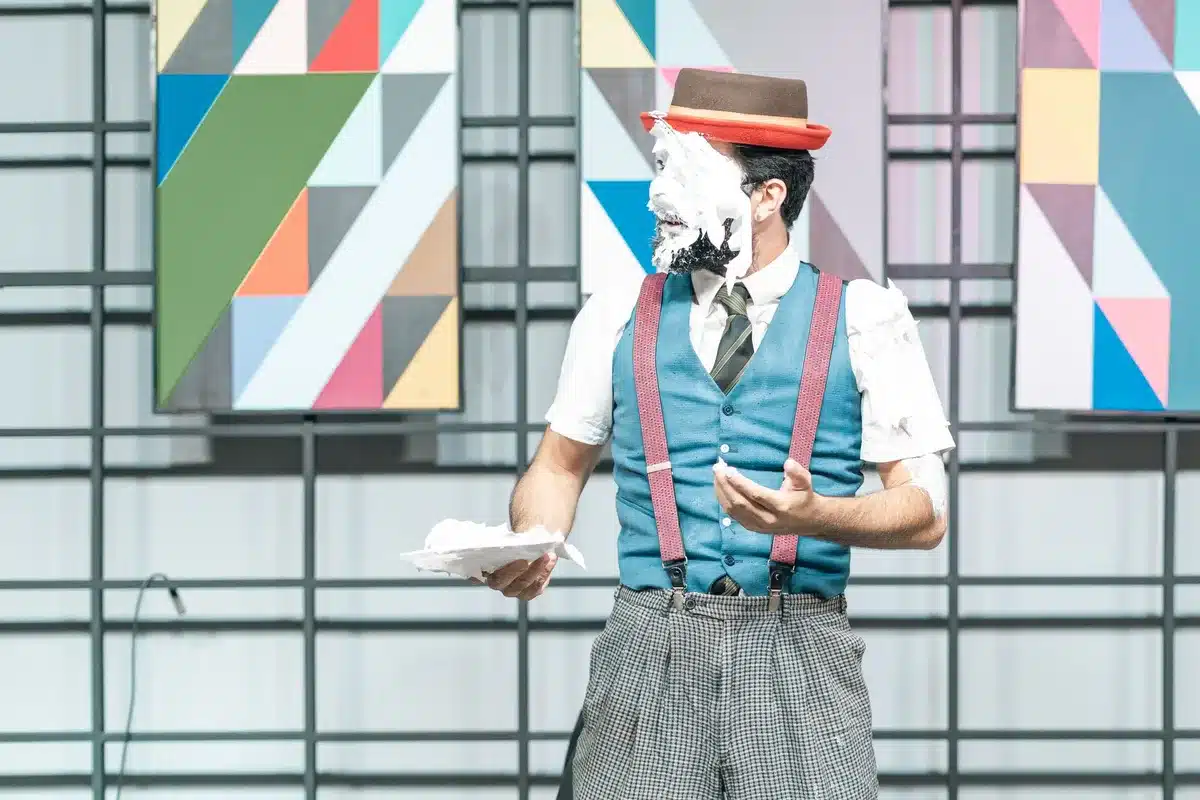
- Physical shtick and sight gags that play out on manic, theatrical terms.
- Musical interludes and fantasy sequences that interrupt reality for comic effect.
- Self-referential cameos and smart throwaway jokes aimed at literate viewers.
Some bits are deliberately juvenile — from a ridiculous urinal set piece to a tower of donuts gag. Others reveal sly intelligence, showing that broad silliness is often crafted by sharp writers.
Pacing, run time, and the limits of a thin premise
The Hawk runs nearly five hours across its episodes. That length lets the show linger on small pleasures. It also exposes the thinness of the central plot.
When jokes land, they can be riotous. When they do not, the series feels stretched. The narrative relies heavily on episodic shenanigans rather than tight dramatic escalation. Still, Ferrell and his ensemble deliver enough memorable moments to keep the pace moving.
Notable comic moments worth mentioning
- A scene where Lonnie speaks to an imaginary golf ball before a drive.
- A musical bit that turns a barbecue jingle into a personal anthem.
- A clever prank involving a pickle jar used as a prop for escalating chaos.
- An absurd, blink-and-you’ll-miss-it literary reference that rewards attentive viewers.
These beats show how the series mixes lowbrow humor with unexpected literary and visual touches.
Comparisons and context: Ferrell versus his comic peers
Ferrell’s approach differs from other comedy stars who moved into streaming. Where some comedians dial toward darker or more dramatic work, Ferrell stays committed to an identity rooted in gleeful naiveté. He rarely lets bitterness creep into his roles.
This innocence is his signature. It can make the show feel lighter than its premise suggests, and it keeps Lonnie from becoming a true antagonist. For viewers who prefer their humor meaner or murkier, that may be a drawback.
Where the show succeeds and where it stumbles
The Hawk succeeds when it celebrates sheer silliness and when Ferrell is allowed to be physically outrageous. The supporting cast adds texture and smart counterpoints. But the series struggles under its own runtime and a plot that could be told more economically.
Still, there are moments that showcase Ferrell’s strengths: his willingness to look foolish, his commitment to musical gags, and his knack for humanizing a cartoonish ego. The result is a show that will please longtime fans and may win over new ones willing to accept a softer, sillier comic voice.










