

Show summary Hide summary
- Why summer 2026 feels like a cultural turning point
- From streaming rooms to packed theaters: youth-driven hits
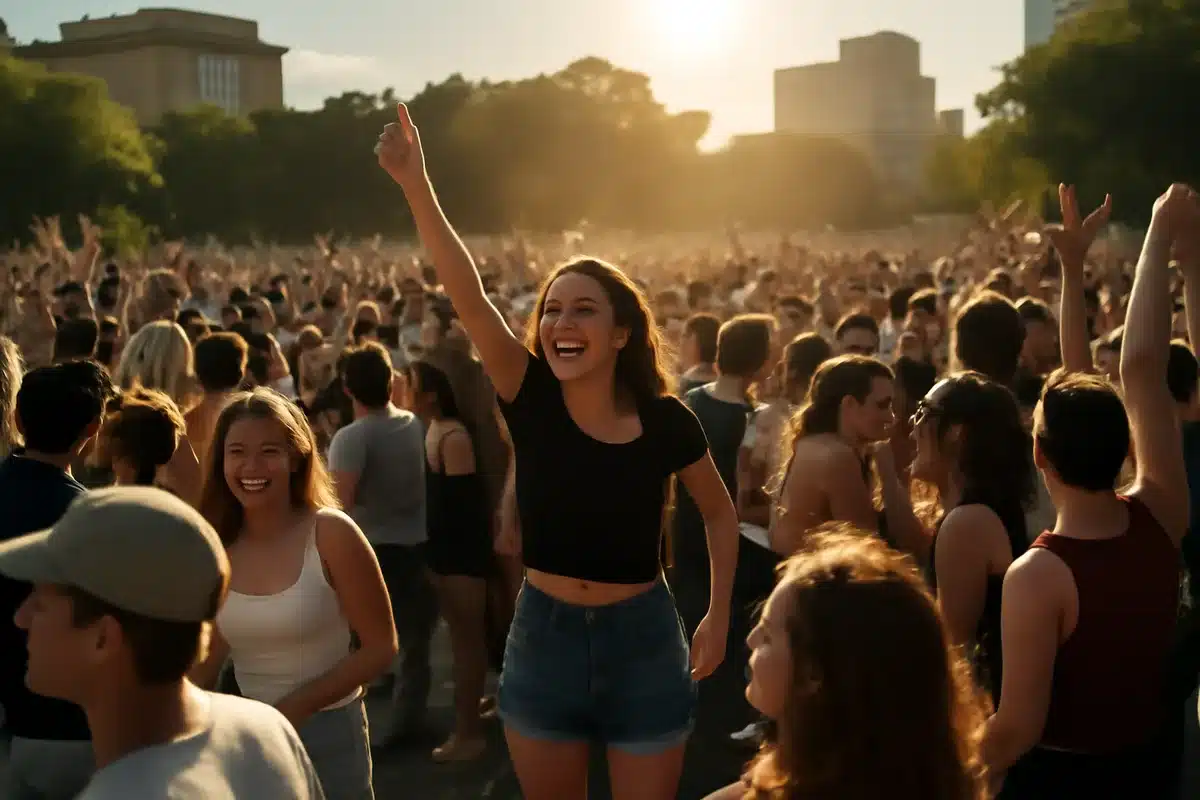
- Public celebrations and the return of shoulder-to-shoulder crowds
- “Summer-maxxing” and the shift toward shared experiences
- Signs that habits are changing: drinking, events, and device-free spaces
- Dating and social apps moving offline
- Politics: a generation taking civic life into streets and houses
- From nostalgia to presence: how the mood shifted
- Will the energy last when the seasons change?
- What businesses and organizers are learning
This summer feels different for many young Americans. Streets, parks, and theaters are full again, and a generation long framed by pandemic-era withdrawal seems to be choosing real-world connection over screens. The shift is subtle but widespread, touching entertainment, politics, nightlife, and everyday habits.
Why summer 2026 feels like a cultural turning point
After several years defined by isolation and online life, young people are returning to shared spaces. What looked like a slow cultural thaw has accelerated into a visible rebound. Public celebrations, sold-out screenings, and spontaneous gatherings signal more than fleeting fun. They suggest a renewed appetite for collective experiences.
Nas slams music industry over disrespect: teases new music, vows to address it
1992 vocal performances: 3 jaw-dropping moments that still amaze
From streaming rooms to packed theaters: youth-driven hits
Filmmakers in their 20s are driving a box-office revival aimed at peers. Two recent hits—youth-made, youth-focused—drew repeat audiences to cinemas. These films tapped into anxieties about intimacy and confinement, but the bigger story was audiences choosing to watch together, in person.
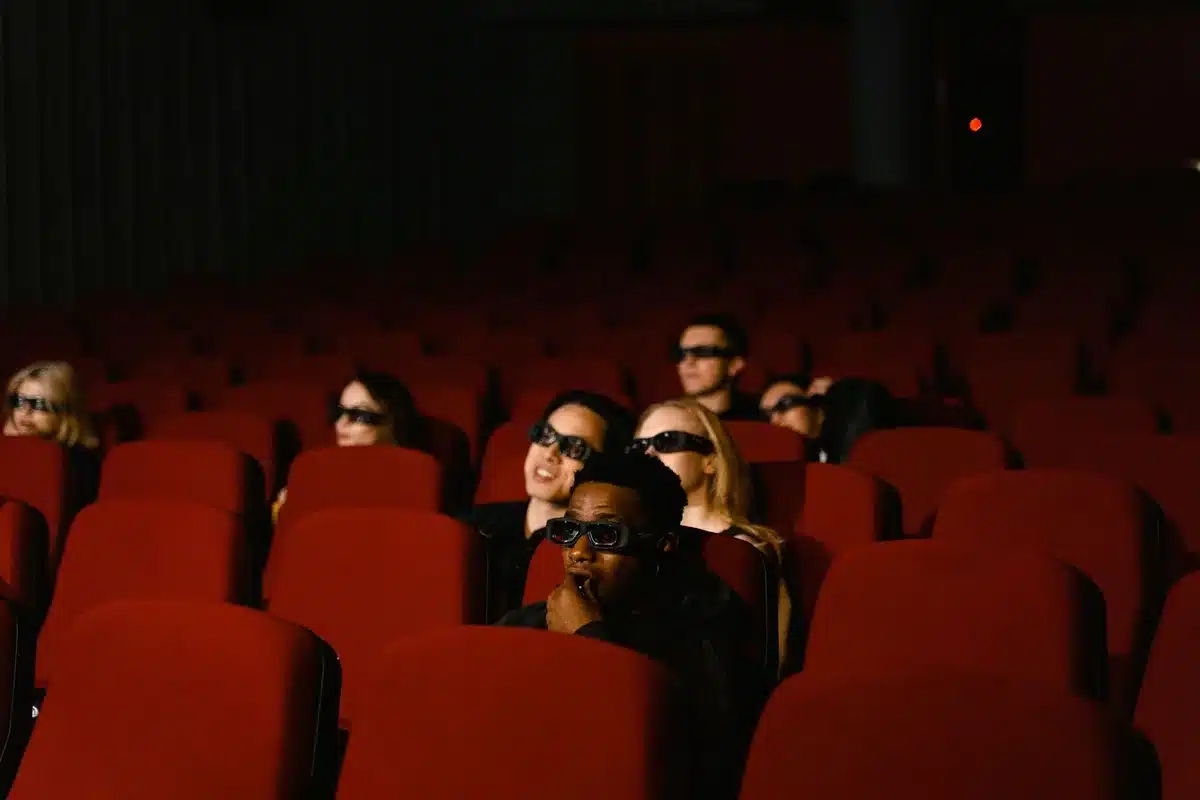
- Young directors and creators are making films that feel made for communal viewing.
- Repeat ticket sales show a willingness to invest time and money in shared cultural moments.
- Movie outings now compete with festivals, concerts, and sports as prime social rituals.
Public celebrations and the return of shoulder-to-shoulder crowds
Big city sports runs and global tournaments have packed sidewalks and plazas. Local parades and fan street parties became nightly scenes in some neighborhoods. For those who spent formative years isolated indoors, these crowded celebrations are especially meaningful.
Everyday rituals reemerging
- Late-night dessert lines and spontaneous bar meetups are back.
- Viewing parties for reality TV and sports draw groups who used to watch alone.
- Community events around national holidays sparked unexpectedly large turnouts.
“Summer-maxxing” and the shift toward shared experiences
Young people themselves call the trend “summer-maxxing”—intentionally squeezing more fun and social time from the season. Rather than aimless nights out, many prioritize structured experiences that build memories and networks.
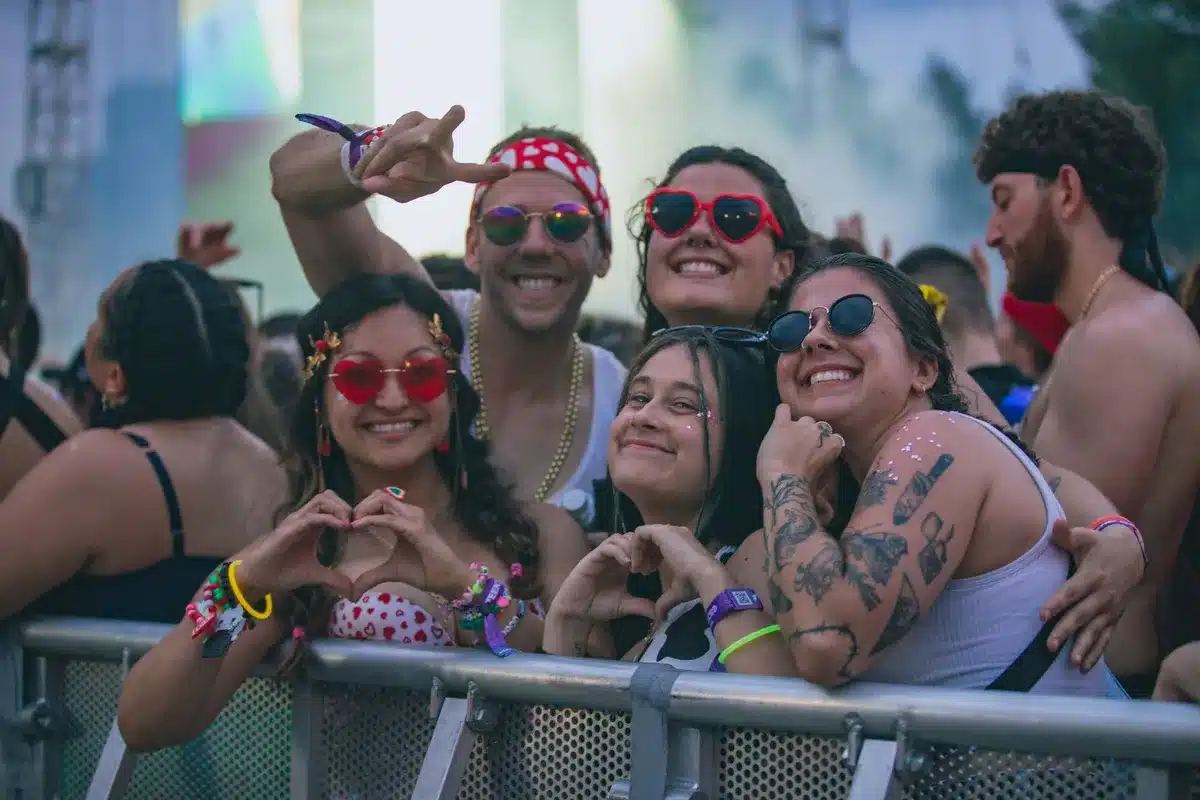
- Concerts, farmers markets, and group hikes outpace aimless bar nights.
- Thrifting and local events serve as low-cost ways to socialize.
- In-person experiences are often framed as community-building, not just entertainment.
Signs that habits are changing: drinking, events, and device-free spaces
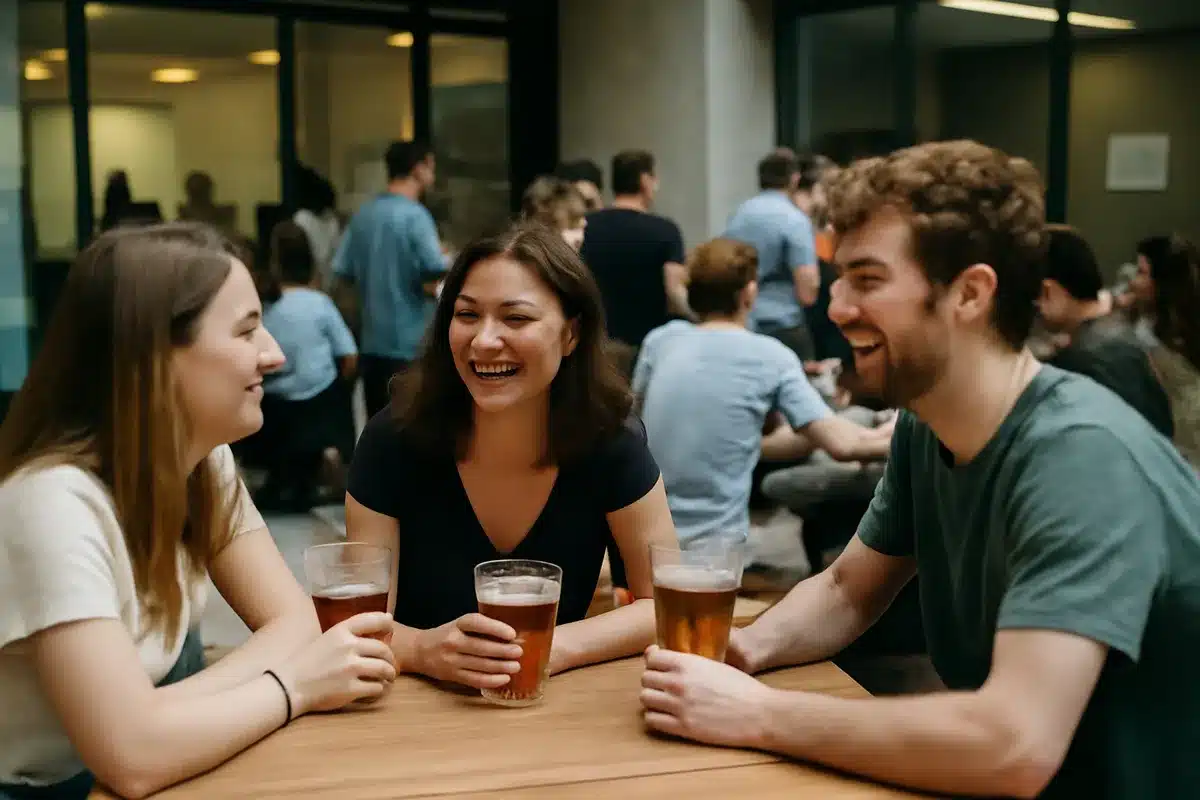
Recent surveys show shifts in behaviors once thought settled. Alcohol consumption among younger adults is rising, but the motive has changed. Social connection, not solitary unwinding, now drives many drinking occasions.
Device-free concerts and communal pauses are becoming popular. Some artists require fans to lock phones away. Public “lie-down” gatherings encourage people to disconnect together, creating a shared calm that feels deliberate.
Dating and social apps moving offline
Digital-first platforms are experimenting with real-world formats. Plans to roll out city-based dating events reflect the desire for IRL interactions. When profiles become meetups, the dynamic around dating shifts from algorithmic to embodied.
- App companies are adding live events to their offerings.
- Offline dates and group socials reduce the emphasis on endless messaging.
- These moves show businesses must blend digital and real experiences to stay relevant.
Politics: a generation taking civic life into streets and houses
Young voters have begun moving political action offline. Canvassing, neighborhood outreach, and in-person organizing show up in local primaries. When activists praise candidates for being visible in public spaces, it reflects a deeper preference for face-to-face politics.
- Door-knocking and block-walking are back as core campaign tactics.
- Politicians who show up in neighborhoods gain traction with younger voters.
- Offline civic engagement may reshape turnout patterns in upcoming races.
From nostalgia to presence: how the mood shifted
For years, longing for simpler pre-pandemic times shaped young adults’ cultural choices. That nostalgia helped explain some political swings and media habits. Now, an increasing number are choosing the present over idealized pasts, focused on building moments today.
This is less a rejection of nostalgia than a recalibration. Young people still reference the past, but many prioritize creating memories in real time.
Will the energy last when the seasons change?
Questions remain about whether this in-person momentum will endure through colder months and academic schedules. The pattern could ebb with the calendar, or it might evolve into new traditions—watch parties, community organizing, or seasonal celebrations grounded in face-to-face connection.
- Some trends may be seasonal reinforcements of social habits.
- Others could become institutionalized through clubs, local groups, and campus rituals.
- Researchers will watch mental health and loneliness measures for signs of longer-term change.
What businesses and organizers are learning
Brands and event planners are recalibrating strategies to meet young audiences offline. Ticketed events, phone-free formats, and neighborhood activations now compete with purely digital campaigns. The market signal is clear: to engage younger adults, provide places to gather.
Physical presence is back on the checklist for cultural institutions, political campaigns, and social platforms.










