
Show summary Hide summary
- Context: where the comment came from and why it landed
- What Chappelle actually argued
- Why he compared it to sidelining civil rights figures
- Reactions from different corners of culture
- How museums, festivals, and media are responding
- Practical options for handling contentious legacies
- Why this discussion matters now
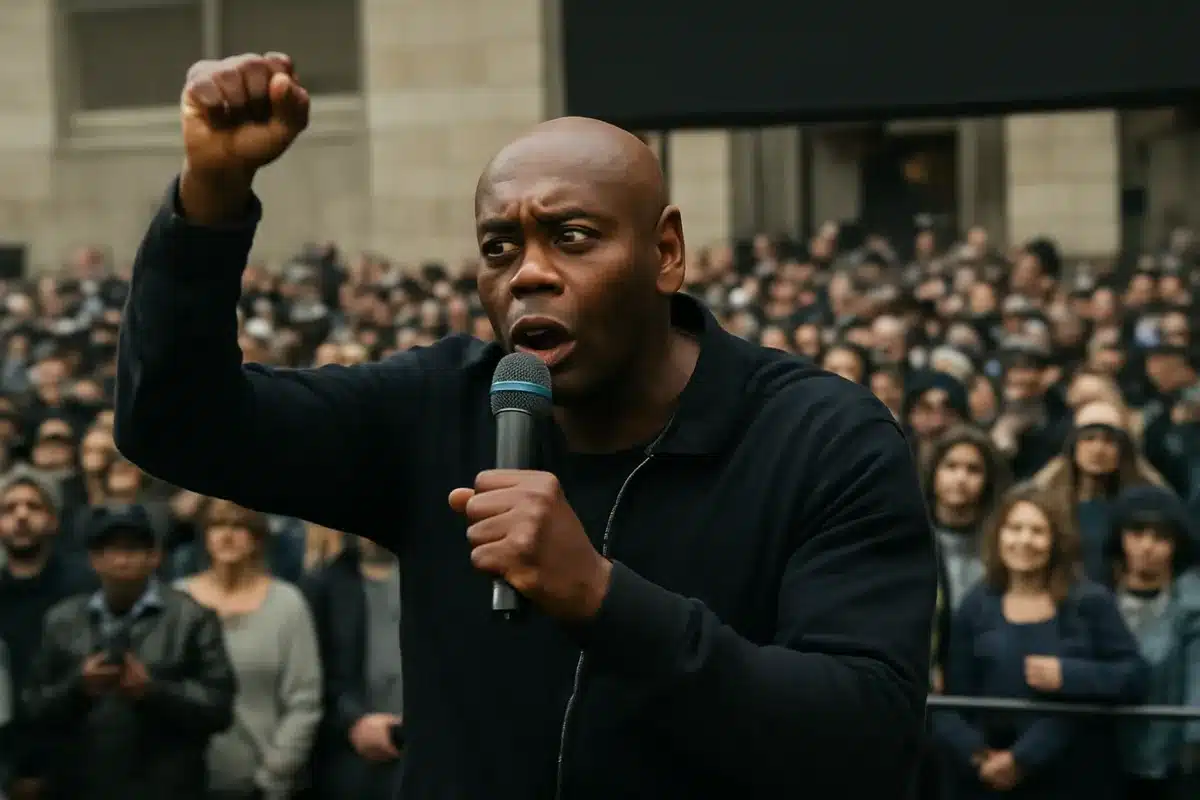
Comedian Dave Chappelle has reignited a heated debate about cancel culture and cultural memory. In a recent public comment, he argued that sidelining a seminal hip-hop group is akin to erasing a chapter of American history. His blunt line—“You’re f**king up history!”—has been shared widely, sparking fierce reactions from fans, journalists, and artists.
Context: where the comment came from and why it landed
Chappelle made the remark during a public appearance that drew attention across social platforms. He addressed efforts to remove or downgrade certain artists from events and archives. He warned that such actions risk stripping away the cultural context that shaped today’s social conversations.
Nas slams music industry over disrespect: teases new music, vows to address it
1992 vocal performances: 3 jaw-dropping moments that still amaze
What Chappelle actually argued
- He said removing influential acts is more than a symbolic act.
- He framed it as an attack on communal memory and the lessons that history holds.
- He used blunt language to stress urgency, saying those moves amount to distorting history.
Why he compared it to sidelining civil rights figures
Chappelle drew a parallel between erasing artists and attempting to minimize the legacy of civil rights leaders. His point: cultural figures, even when flawed, helped shape public discourse. Removing them wholesale can erase the role they played in social change.
Reactions from different corners of culture
Supportive voices
- Some fans praised Chappelle for defending artistic legacy.
- Others said contextualizing controversial work is more useful than banning it.
Critics and caution
- Critics argued Chappelle downplayed accountability for harmful behavior.
- Some cultural commentators stressed that historical recognition need not equal endorsement.
How museums, festivals, and media are responding
Institutions are facing pressure from multiple sides. Promoters must balance public safety, sponsors, and artistic merit. Archivists debate whether to preserve material with strong contextual notes. Festivals rethink lineups and legacy programming as audiences demand ethical curation.
Practical options for handling contentious legacies
- Keep the work accessible with clear historical context.
- Host panels that examine the complexity of artists’ lives.
- Create educational materials that highlight both influence and controversy.
- Use content warnings instead of outright removal when appropriate.
Why this discussion matters now
The debate taps into larger questions about memory, justice, and cultural ownership. Many see it as a test case for how society balances reckoning with preserving records. Chappelle’s stark warning has pushed that debate back into the spotlight.










