
Show summary Hide summary
- New generation of wearables: what they can track and share
- Why women’s data is uniquely sensitive
- Consent in a world of constant sensing
- How technology can enable abuse
- Design, corporate duty, and safety features that matter
- Gaps in law and regulation
- Practical steps women can take now
- Advocacy, standards, and emerging protective tech
- What designers and policymakers should prioritize
Wearable devices have slipped from wrists into wardrobes and onto bodies, turning private moments into streams of data. As sensors grow smarter and smaller, they promise health insights and convenience. They also raise urgent questions about women’s privacy, consent, and safety in ways existing rules did not anticipate.
New generation of wearables: what they can track and share
Today’s devices do more than count steps. They monitor hormones, body temperature, heart rhythms, location, and even emotional cues. Many are intended for health, fitness, or convenience. But the data they collect can be repurposed.
Nas slams music industry over disrespect: teases new music, vows to address it
1992 vocal performances: 3 jaw-dropping moments that still amaze
- Smart jewelry and patches: unobtrusive sensors that log vitals and movement.
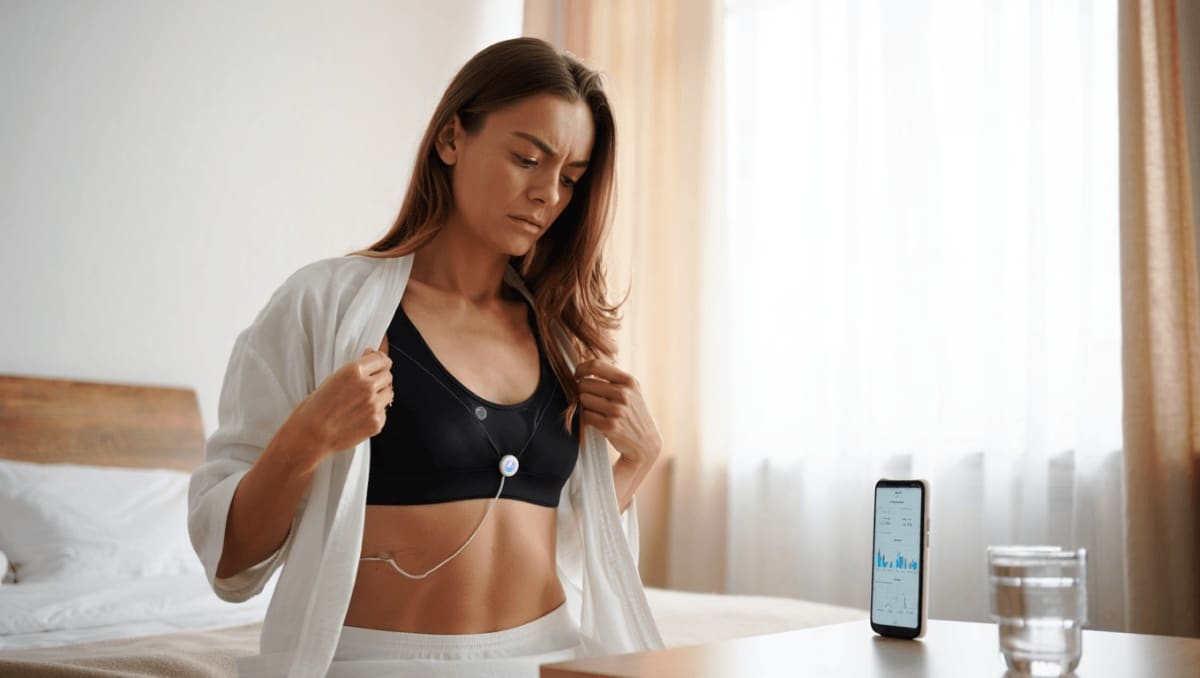
- Smart fabrics and bras: continuous monitoring of heart rate and posture.
- Implantables and bio-trackers: long-term physiological readings.
- AR glasses and earbuds: environmental audio and visual capture.
- Period and fertility wearables: hormone and cycle prediction models.
Why women’s data is uniquely sensitive
Biological and social factors make certain data points especially revealing for women. Reproductive information, menstrual cycles, pregnancy status, and stress markers can affect careers, child custody cases, and personal safety.
Reproductive status and intimate health are high-risk categories. When exposed, they can be used to control, punish, or discriminate.
Examples of potential harms
- Employers using cycle or fertility data in hiring or scheduling.
- Intimate partners tracking location or physiological signals to stalk.
- Insurers adjusting premiums based on chronic-condition indicators.
- Authorities or judicial systems requesting device data in cases.
Consent in a world of constant sensing
Consent used to mean signing a one-time form. For wearables, consent needs to be continuous and granular. Users rarely understand how long data is stored, who can access it, or how it’s combined with other datasets.
True consent requires clear, accessible controls and ongoing transparency. Many products still bury opt-outs and share defaults for commercial reasons.
Consent challenges to watch
- Bundled permissions: one agreement covers multiple sensors and uses.
- Third-party sharing: manufacturers sell or license raw data.
- Implicit consent: passive collection in public or semi-private spaces.
- Family and relationship dynamics: data from one person revealing another’s status.
How technology can enable abuse
Wearables can be tools of control when combined with existing social power imbalances. Abusers can exploit location trails, health indicators, and shared accounts to exert pressure.
Surveillance through devices is often invisible until harm occurs.
- Silent tracking of movement and proximity to specific people or places.
- Monitoring of physiological changes to infer emotions or stress.
- Remote disabling or forced updates that remove user control.
Design, corporate duty, and safety features that matter
Companies can lower risks through better product design. Prioritizing privacy-by-design and user safety reduces misuse and builds trust.
- Granular permissions: enable per-sensor and time-limited consent.
- Local processing: keep sensitive data on-device where possible.
- Emergency modes: easy ways to erase or lock data under threat.
- Anonymous telemetry: aggregate signals without identifiable ties.
- Audit logs: let users see when and by whom data was accessed.
Gaps in law and regulation
Laws lag behind device capabilities. Some regions protect health data strongly. Others lack clear rules for biometric or continuous sensor information.
Cross-border data flows and varying legal definitions of medical data create loopholes.
- Regulatory unevenness: protections depend on product classification.
- Law enforcement access: judicial standards for device data remain inconsistent.
- Employer surveillance: few jurisdictions limit workplace biometric monitoring.
Practical steps women can take now
Users can reduce risk with cautious habits and device choices. These are immediate actions, not long-term solutions.
- Review app permissions and disable nonessential sensors.
- Choose devices that store data locally and offer manual exports.
- Use separate accounts for health and social apps.
- Enable strong authentication and regular password changes.
- Keep software updated to patch security flaws.
- Be mindful when sharing screenshots or cloud backups.
Advocacy, standards, and emerging protective tech
Civil society groups and some startups are building alternatives that center privacy and safety. Open standards for consent and secure hardware modules are gaining traction.
Collective pressure on manufacturers and legislators is changing product roadmaps. But change is uneven and ongoing.
- Privacy-focused certifications for wearables.
- Community-driven audits and accountable disclosure programs.
- Tools that allow quick data quarantine or remote wipe by trusted contacts.
What designers and policymakers should prioritize
Protective measures should be baked into the product lifecycle and lawmaking process. Safety audits and survivor-informed design can reduce foreseeable harms.
- Mandate default privacy settings that minimize collection.
- Require clear, context-specific consent prompts.
- Fund research on gender-specific risks from sensor data.
- Create legal recourse for misuse of personal sensor information.










