
Show summary Hide summary
- How a Simple Act Turns into a Shared Project
- Sophie Blackall’s Intent: Leaving Room for Surprise
- Phoebe Wahl’s Illustrative Choices: Color, Texture, Warmth
- Real Fabric, Digital Craft: How the Rug Was Built on the Page
- Rag Rugs as Memory Keepers and Family Traditions
- Classroom and Home Activities Inspired by Story Rug
- Why Story Rug Resonates with Readers and Educators
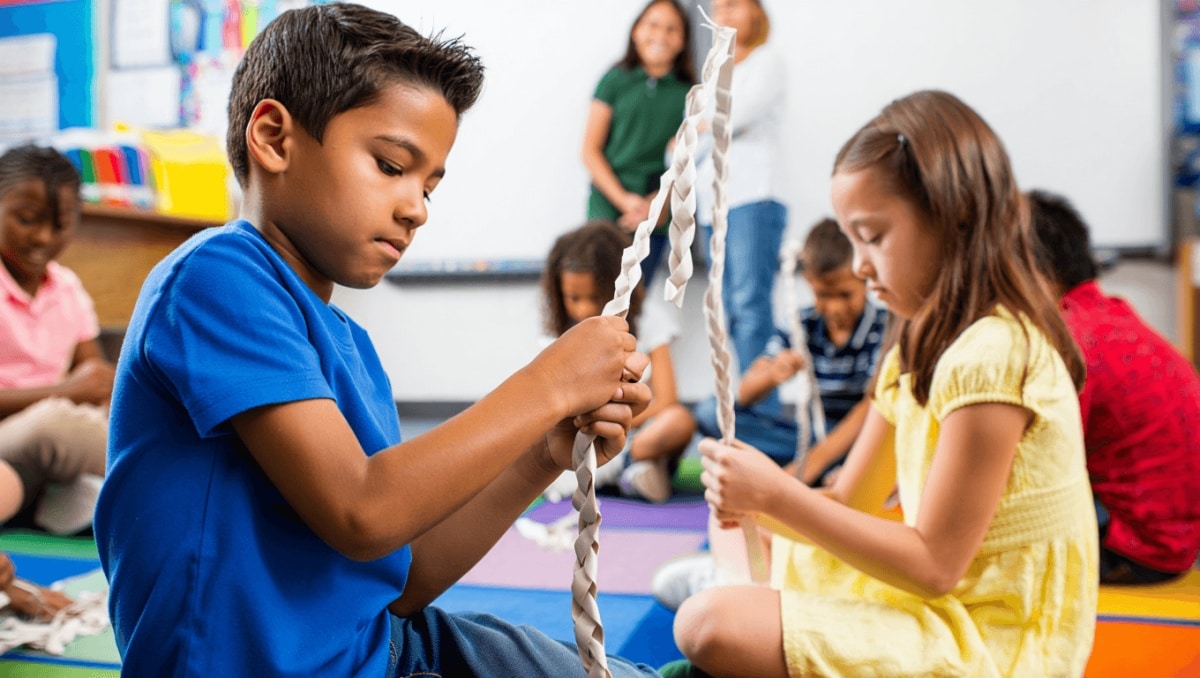
In a lively second-grade room, a sudden braiding obsession takes hold. What starts with a teacher tearing a whiteboard eraser into strips becomes a classroom ritual. One boy who had nothing to braid finds a purpose, and soon the whole class is transforming scraps into a long, looping braid. The project grows beyond play and turns into something the children can sit on, share stories on and around, and call their own.
How a Simple Act Turns into a Shared Project
Noah begins by weaving three torn strips into a small braid. The habit follows him everywhere — the bus, bath time, even early mornings. Other students notice and start contributing.
Nas slams music industry over disrespect: teases new music, vows to address it
1992 vocal performances: 3 jaw-dropping moments that still amaze
- Kids bring old skirts, tablecloths and curtains.
- Braids link together down the hallway and back again.
- The class wonders aloud what to do with the growing length of fabric.
Their solution: stitch the braids into a rag rug they can use for stories and gatherings. The rug becomes a physical record of the classroom’s energy and memory.
Sophie Blackall’s Intent: Leaving Room for Surprise
Sophie Blackall created the narrative for Story Rug with a clear emotional center: community and memory. She originally planned to illustrate it herself, as she has many other picture books. But the story felt too familiar when she tried to visualize every page.
Blackall wanted an element of not-knowing during the creative process. By handing the project to another artist, she opened space for visual surprises. This choice shaped the book’s final voice and look.
Phoebe Wahl’s Illustrative Choices: Color, Texture, Warmth
Phoebe Wahl took on the artwork with a goal to reflect the bustle of a real classroom. She limited her color palette to shades like yellow, orange, light blue and soft greens to create cohesion.
Her digital brushwork mimics colored pencil and crayon. The marks feel hand-drawn, with visible texture and layered color. Wahl wanted the pages to feel bright, tactile and full of movement, echoing how classrooms often appear: lively and cluttered in the best way.
Real Fabric, Digital Craft: How the Rug Was Built on the Page
To make the rug feel authentic, Wahl sourced actual vintage fabric scraps. She found patterns that matched the book’s story and scanned them into her computer.
- She adjusted colors and scale to fit the book’s palette.
- Some pieces, like a bag of yellow sari scraps, remained visually distinct.
- These real textiles became focal points against the limited palette.
The result is a mixed-media effect: printed fabric textures pop from textured digital illustrations, giving the rug a material presence on the page.
Rag Rugs as Memory Keepers and Family Traditions
Both Blackall and Wahl have personal ties to rag rugs. The craft appears in their family histories as an act of saving and storytelling.
Wahl remembers relatives who treasured and protected their handmade rugs. Those memories informed her approach, lending the illustrations a sense that each scrap carries a life before the classroom.
Rag rugs in the book act like small archives: every strip holds a past, and together they become a place where new stories get woven.
Classroom and Home Activities Inspired by Story Rug
Teachers and parents can use the book as a springboard for hands-on projects. Simple activities reinforce themes of sharing, creativity and community.
Materials to gather
- Old shirts, curtains or tablecloths
- Scissors, yarn and a needle or heavy-duty thread
- Masking tape and a large work surface
Easy steps to try with kids
- Cut fabric into long strips of equal width.
- Show a three-strand braid and have each child practice.
- Link finished braids together by stitching or tying.
- Designate the finished piece as a storytelling rug.
These activities encourage conversation about where each fabric came from. Children can name the person who owned an item and say one short memory tied to it.
Why Story Rug Resonates with Readers and Educators
The book connects everyday classroom play with deeper ideas about belonging. It models how a small gesture can become a shared creative mission.
Story Rug invites hands-on making, narrative sharing and respect for objects with histories. For readers, it’s a reminder that community projects can hold and tell many personal stories at once.










