
Show summary Hide summary
- What Mamdani’s city-owned supermarkets would look like
- Why advocates and critics are both energized
- Where public supermarkets have succeeded — and why New York differs
- Can municipal grocers beat Costco and other big retailers on price?
- Labor rules, local sourcing and other cost pressures
- Broader economic impacts and competitive balance
- Alternatives that could help more people for less money
- When public grocery stores might still make sense
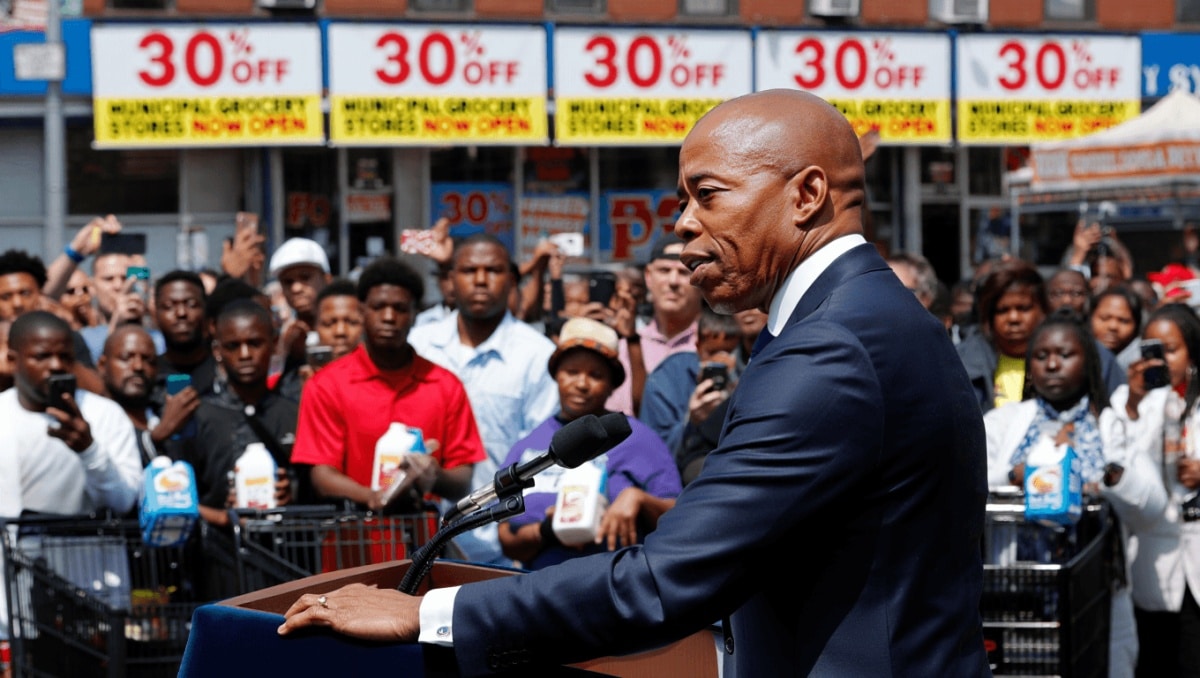
New York City’s mayor has unveiled a bold plan to sell staples at steep discounts by opening five municipally owned grocery stores. The proposal promises up to 30% off meat, seafood, milk and bread, and it has already sparked debate about whether public retail can lower living costs or simply shuffle public dollars into supermarket aisles.
What Mamdani’s city-owned supermarkets would look like
The mayor proposes that the city own each grocery. Private operators would run daily operations under city-set rules. Officials say prices and labor standards would be set by the municipal government.
Nas slams music industry over disrespect: teases new music, vows to address it
1992 vocal performances: 3 jaw-dropping moments that still amaze
The plan aims to make food cheaper for average New Yorkers. The pilot would include five stores across the city. The city estimates about $70 million in upfront capital costs. Annual operating losses have not been fully disclosed.
Why advocates and critics are both energized
Supporters cast public grocers as a modern safety-net tool. They view them as a way to put public ends above private profit. Critics warn of government overreach and damage to local businesses. The debate mixes ideology with practical questions.
Where public supermarkets have succeeded — and why New York differs
City- or town-run markets have a track record in places where private firms left entirely. Small rural towns without any grocery options have used municipal stores to restore access to food.
- These efforts typically respond to a complete scarcity of supermarkets.
- They work where population and income levels no longer attract private chains.
- They are less about undercutting prices and more about restoring basic provision.
New York City is not a grocery desert on the whole. The city already hosts over 1,100 supermarkets and thousands of bodegas. Some neighborhoods lack options, but Mamdani’s locations are not exclusively in those under-served areas.
Can municipal grocers beat Costco and other big retailers on price?
On paper, a government store can sell below market price. But lower prices funded by public subsidies are different from true efficiency gains.
Grocery retail runs on thin margins. The average profit rate for food retailers was roughly 2.1% by 2025. Forgoing profit helps only a little. Offering a sustained 30% discount would likely require ongoing subsidies.
The city plans some advantages, like avoiding rent and property taxes. But those are transfers, not productivity wins. Free real estate is budget money the city could otherwise spend on targeted anti-hunger measures.
Labor rules, local sourcing and other cost pressures
The plan may require higher wages for workers and give preference to local suppliers. Those choices strengthen worker pay and local economies. But they also raise the stores’ unit costs compared with lean private chains that chase the lowest supplier prices.
If these stores attract large crowds, the city may face stockouts. Restocking heavily discounted items would deepen losses. Without strict rationing, popular bargains could sell out quickly.
Broader economic impacts and competitive balance
One intended effect could be to pressure private retailers to cut prices. But with grocery margins already slim, forcing deeper price competition risks store closures and fewer options for shoppers.
Mamdani has said the program will try not to harm small private grocers. Still, five stores alone will not shift citywide pricing much. Expanding the model would magnify the fiscal trade-offs.
Alternatives that could help more people for less money
Public funds dedicated to grocery subsidies could be used more directly to help low-income residents. A few pragmatic options:
- Scale up programs like Get the Good Stuff, which subsidizes produce for SNAP users.
- Increase direct cash transfers to the lowest-income households.
- Invest in food banks and community food programs.
- Ease zoning and permitting rules so large, low-cost retailers can enter more neighborhoods.
For context, the city plans around $3.1 million next year for GTGS. New revenue or reallocated funds could substantially expand those direct-assistance efforts.
When public grocery stores might still make sense
Municipal supermarkets can serve civic aims beyond price tags. They can act as community hubs and visible symbols of a city’s commitment to residents.
Public grocers might boost trust in local government if they run smoothly and reliably. Conversely, empty shelves or long lines could hurt public confidence.
Ultimately, the policy trades broad fiscal flexibility for visible, localized relief. In places with no private options, municipal stores can be vital. In dense markets, direct assistance or regulatory changes may help more people for the same money.










