
Show summary Hide summary
- Why Indigenous tongues are disappearing — and why it matters
- From toy inspiration to a learning robot built for culture
- Teaching languages without replacing elders
- Young makers: school projects and community pride
- Ethics, control and community ownership of language data
- Early results and what’s next for the program
- Voices from the community
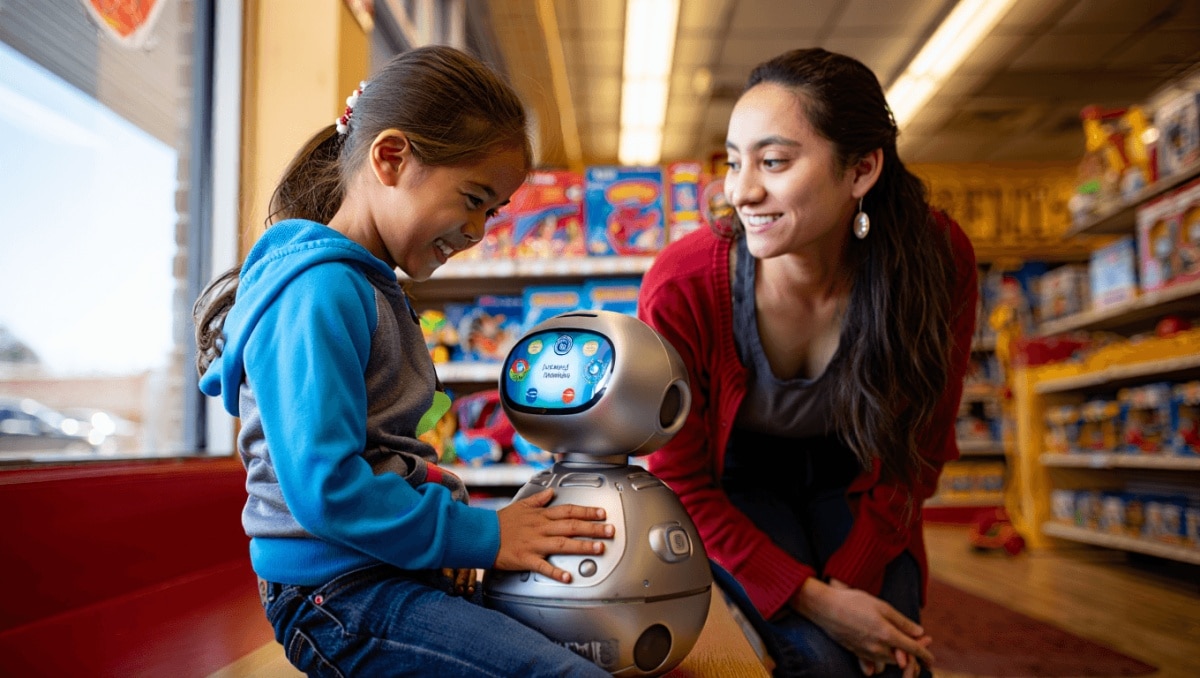
In a Michigan toy shop, Danielle Boyer watched a child press a toy’s belly and light up with words. That moment sparked an idea: what if a playful robot could teach Anishinaabemowin to a new generation? What began as a simple question has grown into a hands-on program that pairs robotics with language revitalization.
Why Indigenous tongues are disappearing — and why it matters
Languages across Indigenous communities are shrinking fast. Estimates put fluent Anishinaabemowin speakers in the United States under 10,000. In Canada the figure is higher, but still fragile.
Smashing Pumpkins reunite with legendary 90s producer Butch Vig on new Hunger Games track
U.K. terror plot: what we know and why the Gulf remains in limbo
Many tribes face dialects with only a handful of elders who speak fluently. Loss of language erodes oral history, spiritual practice and everyday cultural knowledge.
Decades of forced assimilation played a large role. Boarding schools separated children from families and punished native speech. That rupture reduced intergenerational transmission.
For communities like Boyer’s, language loss is an identity loss. She remembers relatives who still speak the tongue, but worries it may skip a generation.
From toy inspiration to a learning robot built for culture
Boyer, a member of the Sault Ste. Marie Tribe of Chippewa Indians, wanted technology that felt familiar to kids.
She designed the SkoBot: a compact, wearable robot that answers questions in Anishinaabemowin. It looks playful, often decorated with floral patterns and animal motifs. Kids can mount it on a shoulder or place it nearby.
The robots are small, approachable and intended to spark curiosity about language and culture. They resemble friendly droids rather than clinical gadgets.
How the SkoBot works
- The device listens for specific trigger words.
- When a match is found it plays a pre-recorded audio file.
- Responses come from trusted community recordings, not from generative text models.
This approach prevents the device from inventing or misrepresenting words. It also places control of content in the hands of speakers and cultural keepers.
Teaching languages without replacing elders
Boyer emphasizes that SkoBots are supplements, not substitutes. They aim to make language learning fun and to encourage children to seek out fluent speakers.
The robots are tools to ignite interest in language, STEM and ethical AI. Students who build SkoBots learn coding, circuitry and design, while also practicing vocabulary and pronunciation.
Boyer warns about the risks of off-the-shelf AI. Large language models can invent vocabulary or provide inaccurate translations. For endangered languages, those errors can spread harmfully.
Young makers: school projects and community pride
Through a nonprofit Boyer founded as a teenager, she has guided hundreds of Native kids in building their own SkoBots. The program mixes maker education with cultural learning.
One participant, a 12-year-old from Michigan, programmed his robot to answer simple prompts in his own voice. He debuted the project at a school science fair, where family members and classmates gathered.
He gave his robot a name drawn from tradition. That name carries a cultural lesson and connects the device to a larger set of values.
Student skills and classroom moments
- Designing a character and shell that reflect tribe aesthetics.
- Recording audio clips with correct pronunciation.
- Programming the trigger-response behavior.
- Presenting projects to peers and parents, sparking conversations about heritage.
Parents report that children who once saw language class as homework now approach it with pride. In some homes, kids are teaching adults phrases they record and program.
Ethics, control and community ownership of language data
Boyer stresses that Indigenous communities must own and vet the words that go into SkoBots. That protects sacred or private knowledge and preserves context.
Using prerecorded audio rather than synthetic speech prevents the robot from producing invented forms. It also guards cultural materials from being scraped or repurposed by outside companies.
Community-led curation keeps both accuracy and respect at the center. That matters especially as mainstream AI systems expand into more languages without community input.
Early results and what’s next for the program
Already, students are showing more engagement in language work and STEM skills. Presentations at schools have drawn attention from parents and local educators.
Program leaders see several potential benefits:
- Increased student interest in fluent speakers and language classes.
- Hands-on STEM experience tied to cultural content.
- Safe, verifiable learning materials created by community members.
- Opportunities to scale workshops across reservations and urban centers.
Organizers are exploring ways to expand mentorship, involve more elders in recordings, and secure funding to distribute kits more widely.
Challenges to watch
- Finding and recording fluent speakers for diverse dialects.
- Balancing open access with cultural protections.
- Ensuring long-term support for maintenance and updates.
Advocates say technology must be paired with community programs that encourage real conversation and intergenerational exchange.
Voices from the community
Families involved in the project describe renewed enthusiasm. A parent shared that seeing her child teach her new words has changed how she thinks about their identity.
Young builders express pride in connecting heritage to modern skills. For them, language learning is not only academic — it is personal and tied to survival.
For many participants, the work is about more than vocabulary. It’s a way to protect a living culture and pass it forward through creativity and technology.










