
Show summary Hide summary
- A measured retelling of the Lockerbie tragedy
- How the investigation is dramatized
- Key performances and character focus
- Visual choices and storytelling tone
- Strengths: compassion and procedural detail
- Limitations: thin characterization and missing context
- Who will appreciate this approach
- Essential facts for new viewers
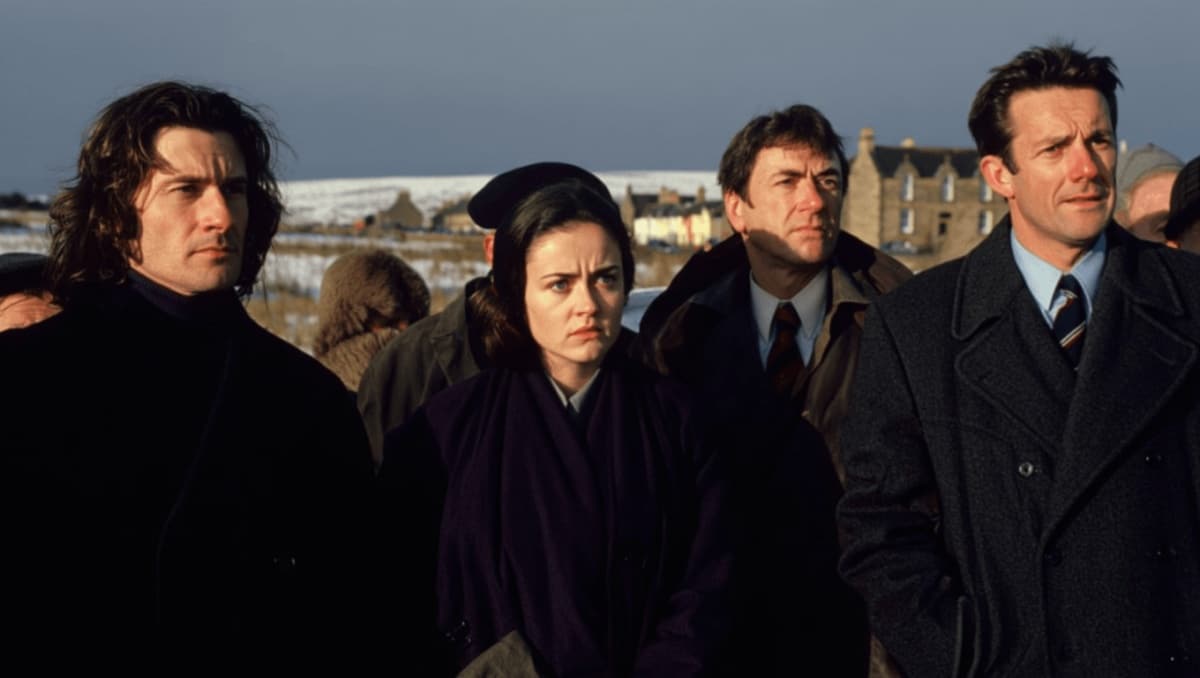
Netflix’s new six-part drama revisits the 1988 bombing of Pan Am Flight 103 over Lockerbie, Scotland. The series aims to honor the town’s response and to trace the long, tangled investigation that followed.
A measured retelling of the Lockerbie tragedy
The show focuses on the aftermath rather than sensationalizing the disaster. It frames the story around the community’s shock and the painstaking detective work that tried to make sense of the carnage.
Nas slams music industry over disrespect: teases new music, vows to address it
1992 vocal performances: 3 jaw-dropping moments that still amaze
- Event: Pan Am Flight 103 exploded on Dec. 21, 1988.
- Scale: Debris scattered across roughly 800 square miles.
- Impact: Victims represented more than 20 countries, prompting international involvement.
How the investigation is dramatized
The narrative spends its runtime on the slow assembly of clues. Authorities parse tiny pieces of evidence and trade information across borders.
The series avoids graphic depictions. Instead, it shows Lockerbie residents emerging into a changed landscape. The investigation unfolds through small, forensic details.
Key performances and character focus
Lead investigators at the center
Two central figures guide the viewer through the inquiry: a determined Scottish police officer and an American FBI agent. Their differing methods drive much of the drama.
Standout supporting roles
- Merritt Wever plays an advocate for victims and brings steady urgency to the story.
- Peter Mullan provides a grounded presence as a local official.
- Connor Swindells and Patrick J. Adams headline the ensemble, anchoring the cross-border dynamic.
Visual choices and storytelling tone
Director Michael Keillor favors restraint. The crash is suggested by the town’s reaction rather than shown in gore or slow-motion spectacle.
Lighting, sparse props and symbolic touches—like a single child’s shoe or an evidence board marked with pins—carry much of the emotional weight.
Strengths: compassion and procedural detail
The series excels when it narrows its lens. Scenes of neighbors helping one another feel authentic and respectful. The work of investigators is rendered with patient clarity.
- Emphasis on community response highlights human resilience.
- Forensic minutiae underscore how major cases are solved.
- Restraint prevents exploitation of trauma for dramatic effect.
Limitations: thin characterization and missing context
Compressing a vast event into six episodes leads to a flattening of many figures. Main characters often stand for ideas more than real people.
The series signals that the bombing changed aviation and geopolitics, but it rarely explains how or why those reforms mattered.
- Characters sometimes feel archetypal rather than fully drawn.
- Broader policy consequences and international repercussions are only hinted at.
- Viewers unfamiliar with Lockerbie may be left wanting more background.
Who will appreciate this approach
Audiences seeking a sober, human-centered retelling will find value. The show is suited to viewers who prefer procedural accuracy and emotional restraint.
Those who expect deep political analysis or richly textured character studies may be less satisfied.
Essential facts for new viewers
- Platform: Netflix
- Format: Six-part miniseries
- Subject: 1988 Lockerbie bombing of Pan Am Flight 103
- Main cast: Connor Swindells, Patrick J. Adams, Merritt Wever










