
Show summary Hide summary
- Why some names suddenly become everywhere
- How race and cultural pride reshape naming patterns
- Education, class and who revives old names
- Immigration, assimilation and later revival of ethnic names
- Real-life examples of cultural influence
- Practical tips for parents picking a name
- How to watch for the next naming trend
- Where to hear more and join the conversation
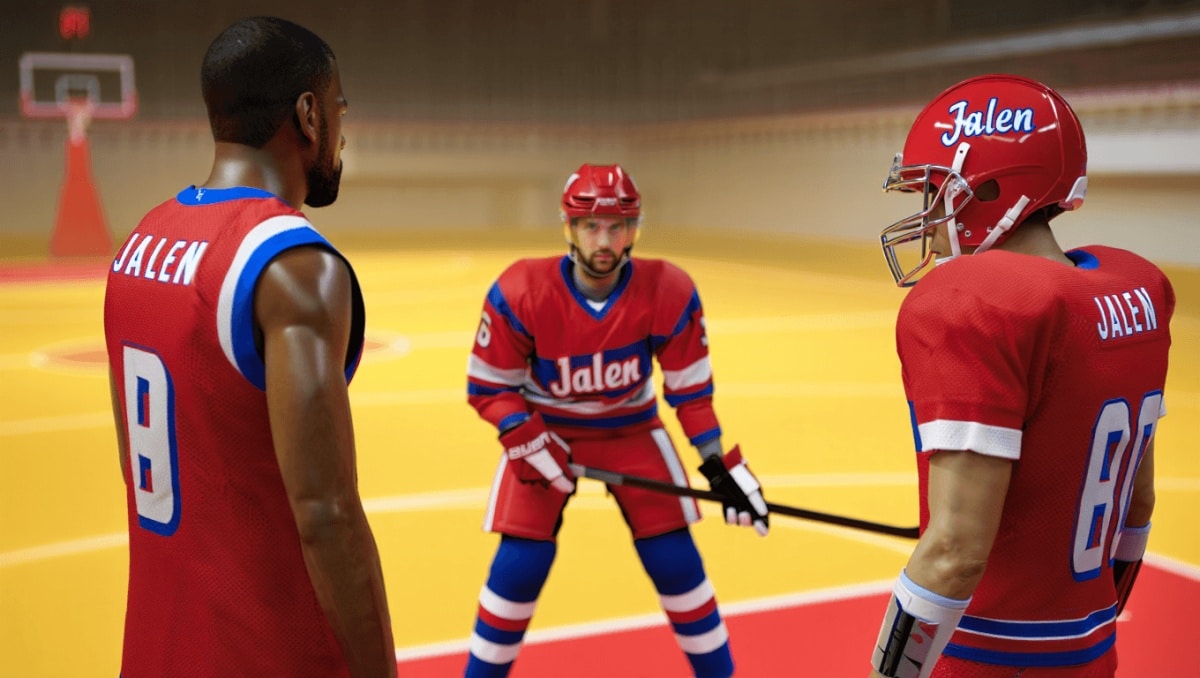
Spotting many pro athletes named Jalen might feel like a small mystery of modern sport. The same name pops up in basketball, football and even hockey. That pattern raises a simple question: how do certain given names sweep through generations and communities? A look at naming habits, pop culture and social forces explains why some names catch fire.
Why some names suddenly become everywhere
Names rarely move from obscurity to ubiquity overnight. Yet a few powerful channels can accelerate a name’s rise. Popular media and celebrity culture act like amplifiers.
Nas slams music industry over disrespect: teases new music, vows to address it
1992 vocal performances: 3 jaw-dropping moments that still amaze
- Writers and producers often assign youthful or fresh names to characters. When a show or film reaches millions, that name gains exposure.
- Celebrities and sports stars put names in the spotlight. A widely seen actor or athlete can push a name into common use.
- Reality TV and high-audience programming can create rapid spikes. A single memorable baby name on a hit show can move it up the charts quickly.
Think of cases where a character or public figure made a name fashionable. That pattern repeats worldwide. It’s a feedback loop: creators choose names they like, audiences copy them, and the names spread across social classes.
How race and cultural pride reshape naming patterns
Naming is also a canvas for identity. In the United States, Black communities have developed distinct naming traditions that reflect history and pride.
During the mid-20th century, many Black parents began intentionally choosing unique names. This shift turned a label once used to stigmatize into an expression of cultural value. Parents favored inventive combinations, shared syllable patterns, and rhythmic prefixes.
- Prefixes and syllables became trends. Certain sounds recurred across many names.
- Innovation served both individuality and community belonging.
- The practice communicated affection and a desire to honor identity.
Naming moved from a stigma into a badge of honor for many families. That change reshaped the national name pool and influenced broader naming fashions.
Education, class and who revives old names
Class and education affect the type of “new” names parents choose. Patterns emerge when researchers compare different social groups.
- More highly educated parents often select names with cultural roots. They revive older names with historical resonance.
- Working-class and less-educated groups may prefer newly invented names or repurpose names that were rarely used for children.
- Both paths represent a desire for distinctiveness, but they draw on different sources—heritage versus creation.
That divide explains why some names trend first among one social group and later diffuse to others. Media exposure can accelerate crossover.
Immigration, assimilation and later revival of ethnic names
Immigrant families historically adapted names to fit mainstream culture. Over time, descendants often reclaim ancestral names.
- New arrivals frequently picked locally common names to ease assimilation.
- Later generations sometimes rediscover and reintroduce ethnic names as a way to reconnect with roots.
- When an ethnic name gains traction among a specific group, it can spread nationally and lose its original association.
Examples show how a name that began as a sign of ethnic pride can become broadly popular across the full population.
Real-life examples of cultural influence
Concrete cases make these trends easier to see.
- Names tied to a TV character or film role can jump in popularity after airing.
- Reality programs that spotlight family life can introduce names to viewers who then copy them.
- Public figures and athletes can turn less-common names into mainstream picks in a few years.
These examples reveal how media exposure plus social desire for distinctiveness creates naming waves.
Spotlight: When a TV show reshapes the name list
Programs with mass audiences can have outsized effects. A single character or family featured in a popular series can lift a name from rare to common.
Practical tips for parents picking a name
Choosing a name is a personal decision with cultural echoes. Here are practical steps to feel confident about the choice.
- Think about meaning and family stories. A name tied to a loved person creates pride.
- Consider how the name sounds in daily life and in formal settings.
- Test nicknames and initials to avoid unintended combinations.
- Tell the story behind the name. Framing a choice can protect a child from teasing.
- Remember: no name guarantees a perfect life. Many names work well when given with love.
Choose a name you can proudly explain to your child. That context often matters more than the name’s trendiness.
How to watch for the next naming trend
Want to predict which names might become popular? Watch a few signals.
- Monitor TV shows, films, and streaming hits for recurring character names.
- Follow celebrity baby announcements and sports rosters.
- Track patterns in phonetics—prefixes and syllables often cycle through decades.
- Notice cultural movements and how groups reclaim or invent names as identity markers.
Combined, these indicators help spot names that may ascend in the coming years.
Where to hear more and join the conversation
If you’d like a deeper dive, experts discuss these topics on podcasts and cultural programs. Full interviews and episodes explore naming trends, race, class, and the media’s role.
You can find extended discussions on major podcast platforms and connect with shows that invite listener questions. Submitting your own naming question is a way to hear personalized insight from name scholars and cultural commentators.










