
Show summary Hide summary
- Why this spinoff stands apart from other Big Bang offshoots
- From comic-book counter to multiverse chaos
- Creators and collaborators who pushed the genre switch
- Worlds you won’t expect to see on a sitcom
- Characters, chemistry, and surprising guest turns
- Style, tempo, and playful production choices
- Pacing, cameo flexibility, and the cost of reinvention
- How this experiment reshapes franchise possibilities
When a spinoff actually surprises, it deserves attention. Stuart Fails to Save the Universe flips the usual formula and sends a familiar supporting character into wildly original territory. The result is a fresh, oddball comedy that trades sitcom familiarity for multiverse lunacy.
Why this spinoff stands apart from other Big Bang offshoots
Not every spinoff needs to retrace a lead character’s biography. Many recent extensions have played it safe. Young Sheldon rewound a protagonist’s childhood for seven seasons. Georgie & Mandy’s First Marriage follows a sibling navigating early marriage.
Nas slams music industry over disrespect: teases new music, vows to address it
1992 vocal performances: 3 jaw-dropping moments that still amaze
Stuart Fails takes a different path. It refuses to replay old beats. Instead, it uses a known face to explore unpredictable sci-fi comedy. That contrast gives the show its energy.
From comic-book counter to multiverse chaos
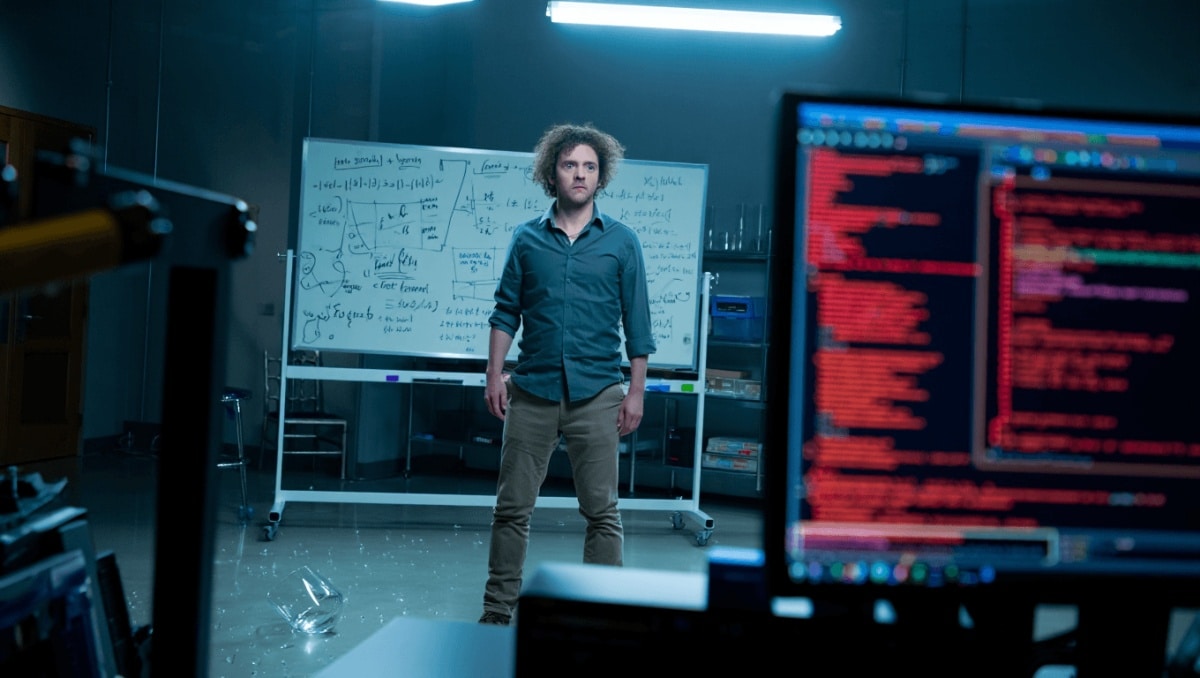
Kevin Sussman’s Stuart, once a local comic-shop owner in Pasadena, finds himself at the center of a dimension-jumping quest. The premise is simple and strange: the world has ended in one timeline, and Stuart may be the only person who can undo it.
The show uses a device as its engine. This machine transports Stuart and his companions to a new reality each episode. That setup allows wildly different scenarios while keeping a small core cast.
Creators and collaborators who pushed the genre switch
Chuck Lorre and Bill Prady, architects of the original sitcom, steer this experiment. To make the leap into sci-fi comedy, they partnered with Zak Penn. Penn brings a background in blockbuster genre work and helps reshape the tone.
The move to a streaming platform also changed the rules. For the first time, a Big Bang offshoot launched outside broadcast TV. That freedom shows in pacing, visuals, and creative risks.
Worlds you won’t expect to see on a sitcom
The show’s range of alternate realities is intentionally playful. Each episode invents a new society or oddity. Examples include:
- A post-apocalyptic landscape with steampunk garb and mutated threats.
- A utopia with radical communal values and no private property.
- A reality where humans evolved from bovine ancestors and graze like cattle.
- Timelines featuring magicians, centaurs, and exaggerated mythic beings.
Those visuals and concepts let the series mix satire, slapstick, and genre tropes. The tone remains light, even when stakes feel enormous.
Characters, chemistry, and surprising guest turns
The show’s emotional center is the quartet that anchors the chaos. Kevin Sussman’s Stuart is stubborn and oddly brave. Brian Posehn’s Bert adds deadpan geology wisdom. Lauren Lapkus plays Denise, Stuart’s pragmatic ex. John Ross Bowie returns as Kripke, now a ruthless warlord.
Familiar faces from the original series drop in from time to time. Those appearances are often playful, reimagining old roles as new, strange characters. Cameos work because the core cast maintains consistent chemistry.
Style, tempo, and playful production choices
The series wastes no time on long setups. Episodes can run as short as 15 minutes. That brevity keeps momentum brisk and jokes tight.
Production choices amplify the show’s personality. A Danny Elfman-style theme sets a mischievous mood. The opening credits change every episode and include jokey title cards.
The creators even mock modern viewing habits. A literal “do not skip” sign points at the skip button in the credits. Small touches like this make the series feel self-aware and whimsical.
Pacing, cameo flexibility, and the cost of reinvention
Because each episode resets the world, comfort and sameness are traded for surprise. That approach sacrifices the cozy hangout vibe of the original sitcom.
Yet the payoff comes in variety. Guest performers can appear in multiple guises. A scientist in one timeline can be a demon in the next. That flexibility keeps returning actors fresh.
The main risk is losing consistent setting-based humor. The show counters that with tight comic timing and strong lead chemistry.
How this experiment reshapes franchise possibilities
Stuart Fails demonstrates how a long-running franchise can pivot and still feel linked to its roots. It shows creators can use a secondary character to attempt something bold.
Moving to a streamer appears to have enabled the series to take creative chances that broadcast TV might avoid. The result is a compact, unpredictable show that may redefine what a spinoff can be.










