
Show summary Hide summary
- Why frozen yogurt is experiencing a comeback
- How brands are packaging wellness with every swirl
- Froyo’s three cultural chapters: a quick history
- Pop culture moments that kept froyo visible
- What the science actually supports
- Ingredients and add-ons that sell the story
- Froyo as a social and status signal
- Why people choose froyo beyond taste
- What industry experts expect next
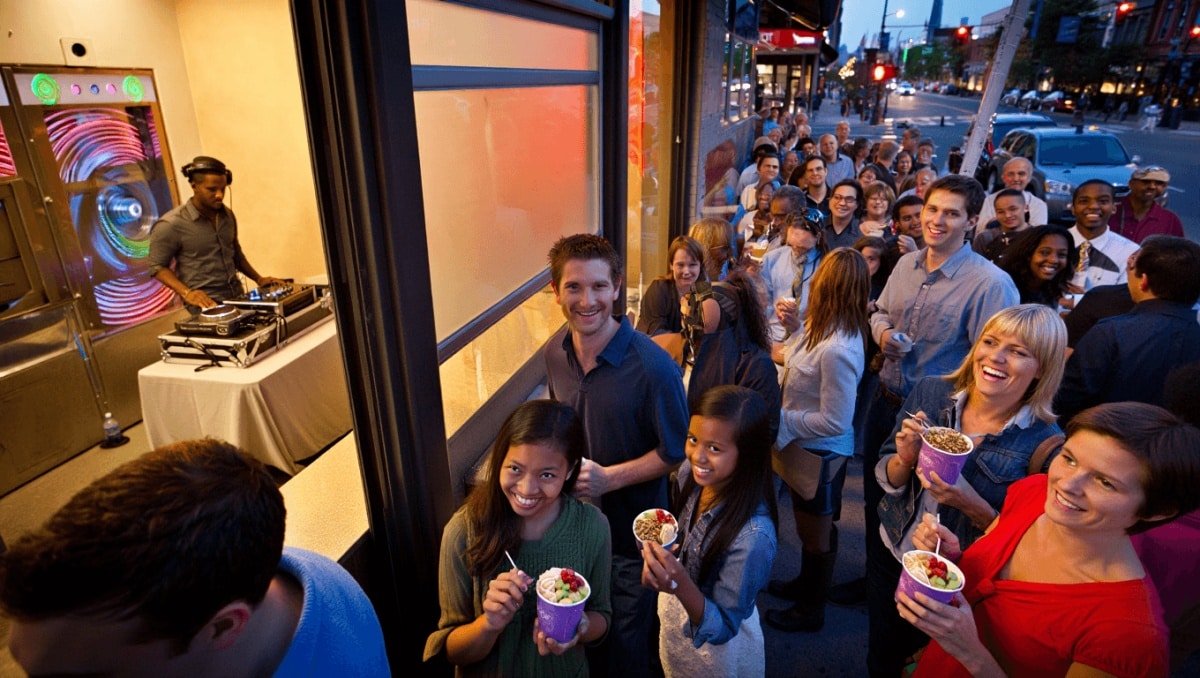
Frozen yogurt has slipped back into the spotlight, drawing crowds and cultural cachet the way fashion cycles do. What was once a mall staple now appears at upscale shops, wellness pop-ups, and influencer reels. Lines form, DJs spin, and brands promise benefits beyond taste.
Why frozen yogurt is experiencing a comeback
Cultural forces, not just cravings, are pushing frozen yogurt into a new era. Consumers are chasing products that feel both indulgent and responsible. Brands are answering by turning froyo into a vehicle for trendy health claims.
Nas slams music industry over disrespect: teases new music, vows to address it
1992 vocal performances: 3 jaw-dropping moments that still amaze
- New shop openings in major cities draw long waits.
- Existing ice cream brands are launching frozen-yogurt lines.
- Home DIY froyo has become a wellness-friendly dessert hack online.
This wave leans on “what’s in it” rather than “what’s missing.” Probiotics, protein, and collagen are front and center in marketing copy.
How brands are packaging wellness with every swirl
Stores now advertise specific bacterial strains and protein counts. Menus focus on toppings like manuka honey and organic fruit. The language is clinical and aspirational at once.
- Probiotic strains named on shop websites.
- Protein grams highlighted per serving.
- “Clean,” “natural,” and “light” used as shorthand for quality.
Marketing frames frozen yogurt as a functional treat. It’s not just dessert. It’s a gut-health snack, a skin-care adjunct, or a protein boost after a workout.
Froyo’s three cultural chapters: a quick history
Frozen yogurt has bounced through American trends for decades. Each resurgence reflects the diet and beauty ideals of its moment.
- 1980s: Low-fat craze made froyo a guilt-free pleasure.
- 2000s–2010s: Tart flavors and self-serve shops turned froyo into a ritual.
- 2020s: Wellness language, microbes, and glossy aesthetics reframe the treat.
When low-fat diets fell out of favor, froyo’s halo dimmed. Later, concerns about sugar and calorie counting trimmed another wave. Today’s revival leans on sciencey-sounding words rather than explicit promises of thinness.
Pop culture moments that kept froyo visible
Television and comedy have given frozen yogurt memorable cameos. Those moments shaped how people think about the dessert.
- Sitcoms have used froyo to lampoon diet fads.
- Sketch and reality shows made it a shorthand for indulgence without guilt.
- Streaming-era creators often depict self-serve shops as social spaces.
These appearances have kept frozen yogurt in the public imagination, making its return feel familiar and timely.
What the science actually supports
Some claims have a basis in research. Live-culture yogurt can contribute beneficial microbes to the diet. Protein is a reliable macronutrient. But other promises are less certain.
- Probiotics: may help some digestive conditions.
- Protein: supports satiety and muscle repair.
- Collagen: evidence for topical or ingestible benefits remains limited.
Legal cases and studies have shown the limits of marketing. Products labeled as “gut healthy” have faced lawsuits when claims outpaced evidence.
Ingredients and add-ons that sell the story
How froyo is dressed matters as much as what’s frozen inside it. Toppings create a health halo even when calorie counts vary.
- Fresh fruit and granola suggest wholesomeness.
- Artisan honey and organic dates create premium appeal.
- Novel flavors and functional add-ins—collagen, MCT oil, protein powders—signal wellness intent.
These choices let customers curate between “clean” and “decadent,” often in the same visit.
Froyo as a social and status signal
Today’s shops double as lifestyle stages. Waits, partnerships, and in-line services build an aesthetic that’s easily shared on social platforms.
“Luxe lean” describes the look many brands sell: fit but pampered, effortless yet expensive. The dessert becomes part of a larger identity project.
- Collaborations with beauty and fitness brands.
- Events pairing froyo with boutique wellness experiences.
- Instagrammable interiors and menu language that hint at class.
Why people choose froyo beyond taste
For many, the appeal is psychological. Saying you opted for a probiotic-rich froyo feels different than admitting you ate a low-calorie cup.
Words like “clean” and “natural” are emotionally persuasive. They convey moral and health value without strict definitions.
What industry experts expect next
Trend-watchers anticipate ups and downs. Scientific studies, shifts in diet culture, and new wellness fads will influence froyo’s momentum.
For now, frozen yogurt enjoys visibility and hype. Brands continue to test formulations and partnerships to keep the product in the spotlight.










