
Show summary Hide summary
- When dating shows play like competition: the case for Love Island as a sport
- How Brittany’s “Sporty Spice” phase reshaped her viewing habits
- Why these formats unite people: community, ritual, and storytelling
- The cultural imbalance: why sports are often treated as more serious
- The “Terrible Son” idea and why fandom sometimes feels inherited
- Are sports and reality TV equally welcoming to new audiences?
- Conversation highlights: what Brittany and Kelsey agreed on
- Episode breakdown and listening guide
- Related conversations and further listening
- Support and credits
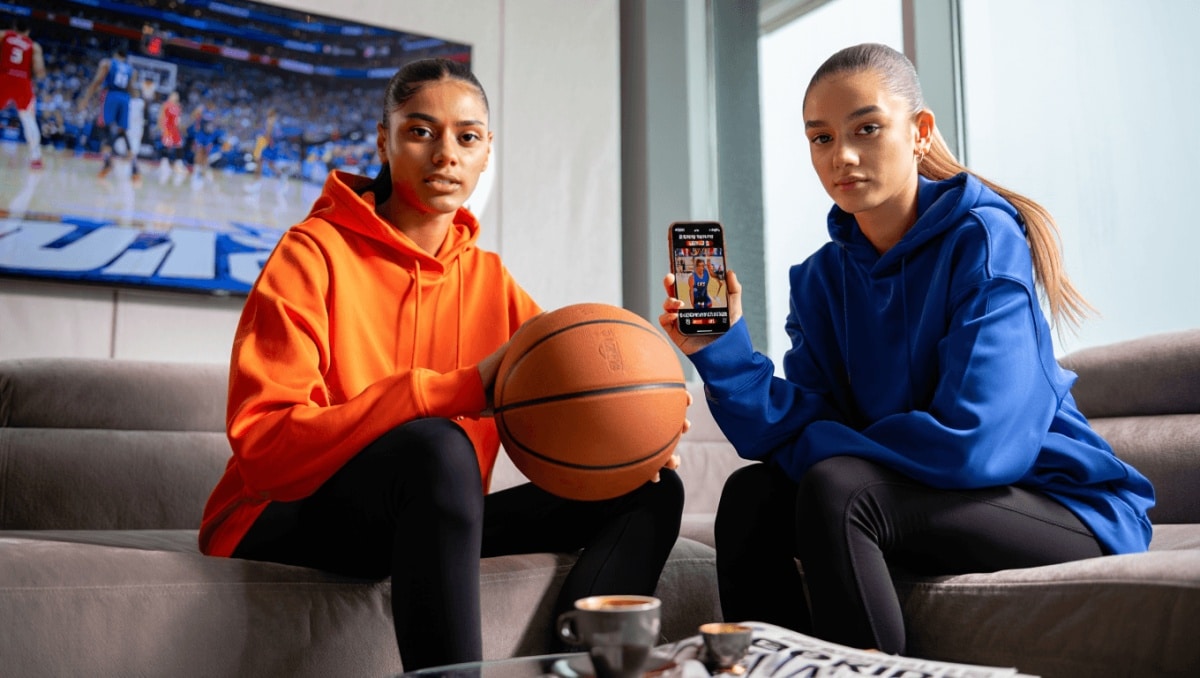
Brittany’s recent media diet mixed playoff basketball with Love Island binges, and she noticed a striking overlap between rooting for athletes and watching contestants. That discovery sparked a wide-ranging chat with Defector.com writer Kelsey McKinney about why competitive sports and reality dating shows feel like the same social pastime, even as society prizes one more than the other.
When dating shows play like competition: the case for Love Island as a sport
At first glance, Love Island and the NBA look unrelated. One is about romance and alliances. The other is about points and plays.
Nas slams music industry over disrespect: teases new music, vows to address it
1992 vocal performances: 3 jaw-dropping moments that still amaze
But both produce clear, rule-like structures. Both build narratives around teams, winners, and dramatic pivots. Fans pick favorites, analyze strategies, and track momentum.
- Contestants become players: couples and squads both rise and fall in public view.
- Viewers develop rituals: weekly watch parties, betting pools, and heated debates mirror sports fandom.
- Commentary fuels engagement: social media and punditry create shared storylines.
How Brittany’s “Sporty Spice” phase reshaped her viewing habits
Brittany started following the NBA playoffs, World Cup matches, and New York Liberty games. She also watched Love Island every day.
The mix turned into more than background noise. It became a single habit of checking scores, recaps, and social reactions.
- Daily viewing blurred lines between sports and reality TV.
- Emotional investment shifted from athletes to islanders and back.
- Community interaction—replies, memes, hot takes—tied the two together.
Why these formats unite people: community, ritual, and storytelling
Both sports and reality dating create shared experiences that invite participation.
Fans gather to celebrate, commiserate, and argue. Those habits build bonds, whether over a buzzer-beater or a surprise coupling.
Key social mechanics
- Shared calendar: scheduled broadcasts keep audiences synchronized.
- Collective memory: iconic moments become cultural touchstones.
- Active engagement: social platforms turn viewers into commentators.
The cultural imbalance: why sports are often treated as more serious
Even when viewing behaviors are similar, society often ranks sports higher than reality TV.
Economic power, institutional histories, and media infrastructures elevate professional athletics.
- Sponsorship and broadcasting deals inflate sports’ prestige.
- Longstanding leagues carry cultural authority.
- Reality TV is widely consumed but often dismissed as ephemeral.
That disparity shapes who gets credit, who earns respect, and which pastimes are seen as culturally valuable.
The “Terrible Son” idea and why fandom sometimes feels inherited
Kelsey and Brittany touch on the “Terrible Son” theory of sports loyalty. Families pass fandom across generations.
Some fans inherit devotion without deeply understanding the rules. That inheritance matters for identity.
- Fandom can be a family ritual as much as an informed hobby.
- New fans may mimic rituals to belong, not just to watch skill.
Are sports and reality TV equally welcoming to new audiences?
Both can be open doors. But access varies by cost, representation, and perceived gatekeeping.
Professional leagues sometimes require subscriptions or ticket money. Reality shows are often free to stream or follow online.
- Barriers like paywalls change who can join live conversations.
- Representation issues affect whether viewers see themselves in the drama.
- Social spaces can be inclusive or hostile, depending on community norms.
Conversation highlights: what Brittany and Kelsey agreed on
Both argued that sports and reality dating answer the same human need for shared narrative.
They also noted differences in prestige, economics, and cultural memory.
- Similarities: storytelling, fan rituals, and emotional investment.
- Differences: institutional support, financial stakes, and public respect.
Episode breakdown and listening guide
If you want to hear the original discussion, here are the marked moments to find quickly.
- (00:00) Brittany’s shift into sports-focused viewing.
- (02:02) A quick vibe check on Love Island USA.
- (05:07) Arguments for calling Love Island a form of sport.
- (07:47) The “Terrible Son” theory and inherited fandom.
- (11:39) How sports and reality TV build communities.
- (14:25) A debate on who feels welcome in sports fandom.
Related conversations and further listening
For more reporting at the intersection of sports and reality media, consider these topics.
- How sports betting is reshaping fan engagement.
- The shifting future of reality television.
- Rising housing costs and their social impact.
Support and credits
Support public media: consider subscribing to NPR Plus. Your backing helps fund shows like this one.
Follow Brittany on Instagram: @bmluse
This episode was produced by Liam McBain and edited by Neena Pathak. Supervising producer: Cher Vincent. Executive producer: Barton Girdwood. VP of Programming: Yolanda Sangweni.










