
Show summary Hide summary
- What people mean when they say “A-list face”
- How cosmetic work and noninvasive treatments shape celebrity features
- Makeup, lighting, and styling: the backstage of a photographed face
- Public image: how PR teams curate a face for the camera
- Social media and the democratization of the A-list aesthetic
- Representation and the changing face of stardom
- Practical advice for achieving camera-ready features
- Industry pressures and the ethics of facial modification
- How technology is redefining the A-list look
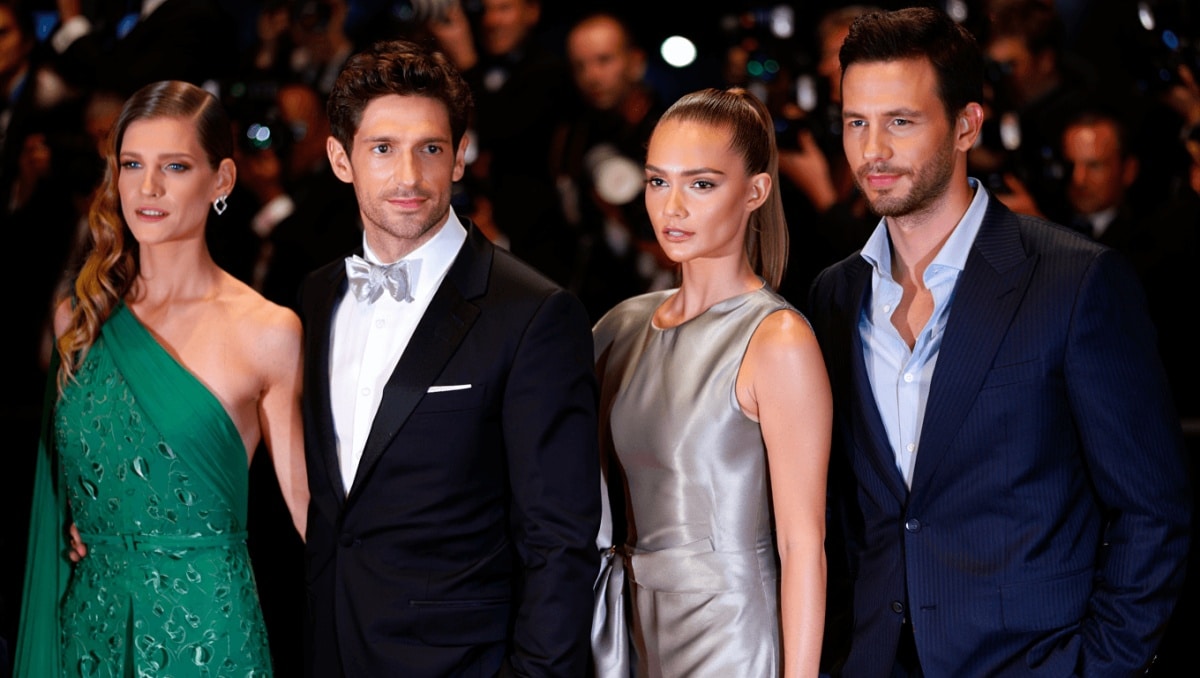
In Hollywood, a face can be a career strategy. Stars arrive on red carpets with looks that tell a story: confidence, glamour, and careful shaping. From wardrobe to bone structure, the “A-list face” is less a single template than a shifting set of signals. This piece explores how that look is created, maintained, and reframed in an era of social media and evolving beauty ideals.
What people mean when they say “A-list face”
The phrase captures a mix of features, grooming, and presentation. It is not just symmetry or youth. It includes charisma, camera-ready skin, and the ability to read well in photos. Publicists and stylists aim for a look that reads as both aspirational and relatable.
Nas slams music industry over disrespect: teases new music, vows to address it
1992 vocal performances: 3 jaw-dropping moments that still amaze
- Balanced facial proportions that photograph well
- Consistent skin tone and texture
- Defined brows and cheek structure
- A hairstyle that frames the face
- A signature element, like a mole or gap-tooth, that makes the face memorable
How cosmetic work and noninvasive treatments shape celebrity features
Modern beauty routines mix surgery, injectables, and maintenance treatments. Celebrities often combine approaches to sculpt a versatile image.
Common procedures and trends
- Rhinoplasty for proportion and profile adjustments
- Fillers to restore volume in cheeks and lips
- Botox to refine expression lines and control brow shape
- Laser treatments and peels for even skin texture
- Thread lifts and minimal-access surgeries for subtle contouring
Noninvasive options have surged because they offer shorter downtime. They let stars keep working and changing their looks quickly.
Makeup, lighting, and styling: the backstage of a photographed face
Makeup artists and photographers are central to the A-list equation. They use contouring, color correction, and strategic lighting to create depth and focus.
- Contouring to emphasize jawline and cheekbones
- Color-correcting concealers for red carpets and close-ups
- Soft lighting to minimize texture and enhance highlights
- Tailored haircuts that balance facial proportions
- Accessories and necklines that draw the eye to the face
Public image: how PR teams curate a face for the camera
Managers and publicists coordinate looks with roles and brand deals. A red-carpet appearance is a carefully timed message. Every choice supports a narrative about the star.
Strategies publicists use
- Aligning a new look with a film or album release
- Teasing transformations via social media
- Pairing emerging faces with veteran stylists
- Staging “casual” moments that feel authentic
Social media and the democratization of the A-list aesthetic
Platforms like Instagram and TikTok have amplified certain looks. Micro-influencers teach contouring, skincare, and hair hacks. That knowledge flows back to celebrity stylists.
- Tutorials make advanced makeup techniques accessible
- Trends spread faster, pressuring stars to adapt quickly
- Direct fan feedback accelerates aesthetic shifts
Image control is no longer confined to premieres. Celebrities manage their faces in real time, and audiences notice every tweak.
Representation and the changing face of stardom
Hollywood has broadened who gets labeled A-list. Diverse features and nontraditional beauty markers are now front and center. This shift affects casting and how the industry defines star power.
- More models of beauty across ages and ethnicities
- Authentic stories tied to specific looks
- Recognition of unique facial traits as assets
Practical advice for achieving camera-ready features
Whether you’re a performer or a professional, certain routines help a face read well on screen and in photos.
- Invest in targeted skincare for texture and tone.
- Work with a stylist to find flattering cuts and frames.
- Use makeup to enhance natural bone structure, not mask it.
- Consult qualified practitioners for any cosmetic work.
- Maintain consistency: good sleep, hydration, and sun protection matter.
Small, consistent steps often deliver better long-term results than dramatic interventions.
Industry pressures and the ethics of facial modification
The drive for a marketable face raises ethical questions. Young actors face intense scrutiny. Stylists must balance artistic direction with personal well-being.
- Consent and full information around procedures
- Long-term health versus short-term publicity gains
- The role of mentors in protecting emerging talent
How technology is redefining the A-list look
Advances in imaging, AI retouching, and virtual makeup change what audiences expect. Studios can present perfected versions of stars in promotional materials.
- Digital retouching for publicity stills
- Virtual try-ons and CGI enhancements in trailers
- AI-driven skin and lighting adjustments for social posts
The result is a new standard that blends real features with digital polish.










