
Show summary Hide summary
- How a high-profile boot case reshaped the dupe conversation
- What dupe culture really is and where it shows up
- Tools and platforms that make finding dupes effortless
- The messy legal gray area around copying designs
- Public perception and the ethics of buying dupes
- How online culture rewires our sense of originality
- Business shifts driven by ultra-fast fashion and marketplaces
- Practical tips for shoppers navigating dupes
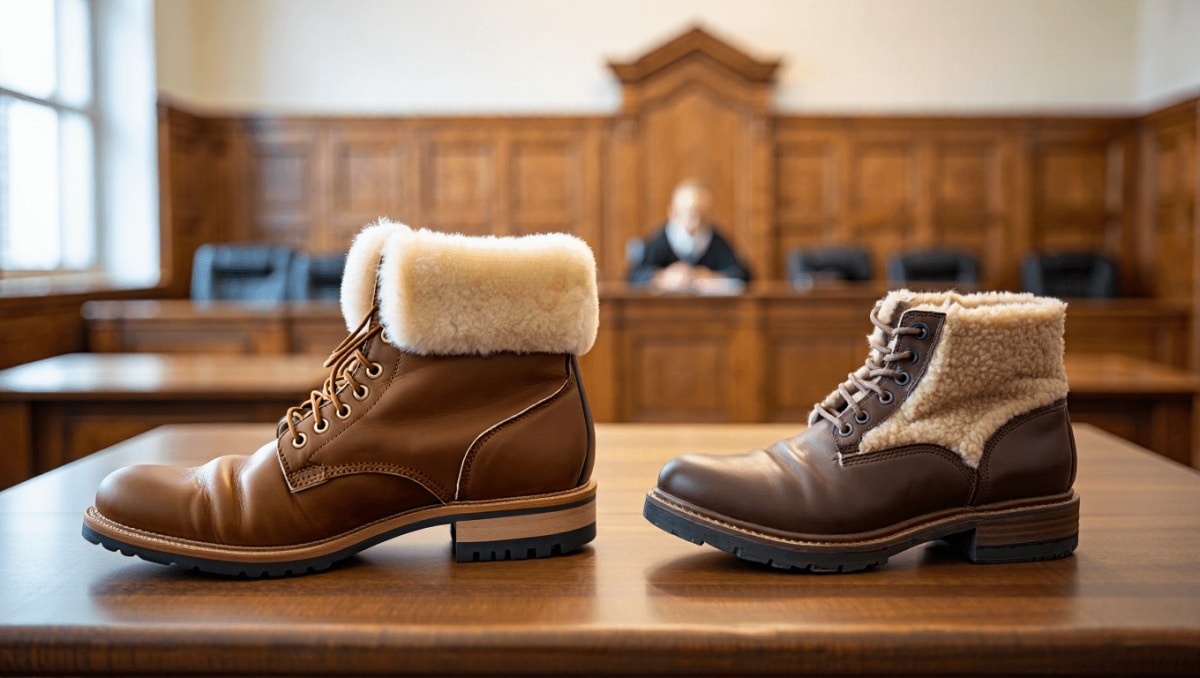
When a maker of classic fleece-lined boots sued a direct-to-consumer brand over near-identical shearling footwear, the courtroom fight became a test case for a sprawling online trend. The jury found the newcomer had copied the iconic look, yet also determined the original patent should not have been granted because the design was too ordinary to be protected. That split verdict crystallized a new reality: lookalike products are knocking at the gates of mainstream retail.
How a high-profile boot case reshaped the dupe conversation
The dispute over the shearling boots put dupe culture under a legal microscope. The established brand argued its patented design was being copied. The challenger admitted the similarity but argued the patent itself was invalid.
Nas slams music industry over disrespect: teases new music, vows to address it
1992 vocal performances: 3 jaw-dropping moments that still amaze
The jury agreed both ways: they found copying occurred, but also found that the patent lacked novelty. That legal outcome effectively cleared the path for similar products to enter the market.
This is not just about boots. The ruling signals to other companies that lookalikes can be made without automatically triggering infringement claims. For shoppers, that translates into more options and cheaper alternatives.
What dupe culture really is and where it shows up
At its core, dupe culture is a consumer ecosystem built on substitutes. These products mimic the appearance or function of pricier items without being exact counterfeits.
- Beauty and skincare items with near-identical formulas and packaging.
- Home goods such as high-end cookware replicated at discount prices.
- Electronics and accessories that emulate premium designs.
- Even travel packages marketed as affordable versions of elite destinations.
Once stigmatized, buying a dupe now often reads as savvy shopping. Many shoppers celebrate snagging a similar item for a fraction of the cost. Influencers and fast-fashion players have normalized the practice.
Tools and platforms that make finding dupes effortless
Technology has lowered the barrier to locating lookalikes. Reverse image search and AI-driven shopping tools turn a picture into a shortlist of similar items.
- Dedicated services let users paste a product URL and receive visual matches across the web.
- E-commerce features use text or sketches to generate images and then hunt for comparable goods.
- Social apps let viewers pause videos to identify products and tap through to merchant listings.
These platform features have turned casual curiosity into instant discovery. Finding a cheaper alternative can now happen in seconds.
The messy legal gray area around copying designs
Intellectual property law often struggles to keep pace with fast online commerce. Whether a dupe crosses the legal line depends on the type of protection involved.
Key legal points to understand
- Design patents protect specific ornamental features, but not every aesthetic is eligible.
- Trademarks guard brand identifiers, not generic shapes or widely used motifs.
- Copyright protects original creative expression, but functional fashion elements usually fall outside its scope.
Experts repeatedly answer questions about dupe legality with variations of “it depends.” In practice, many common clothing and accessory designs are difficult to shield with IP law. That leaves room for lookalikes to proliferate.
Public perception and the ethics of buying dupes
Consumers often defend dupes on affordability grounds. For many, a cheaper stand-in is the only realistic way to access a desired style.
That defense ignites heated debate. Some see dupes as democratic access to good design. Others argue dupes undercut creators and obscure true costs, including labor and environmental impact.
Another paradox: owning a dupe can intensify desire for the original. The cheaper option can act as advertising for the aspirational product, keeping the premium brand desirable.
How online culture rewires our sense of originality
Social platforms reward replication. Trends often spread through imitation — the same sounds, edits, and formats get reused because they perform well.
That dynamic spills into physical consumption. Houses, wardrobes, and beauty routines now reflect the online loop of copying and remixing. People frequently buy lookalikes without knowing they are dupes.
- Content algorithms favor tried-and-true formats over radical novelty.
- Creators replicate successful ideas to reach larger audiences.
- Shoppers mirror this behavior by seeking the same looks at lower prices.
Business shifts driven by ultra-fast fashion and marketplaces
Platforms and low-cost import models have depressed price expectations. When shoppers see items from ultra-fast brands priced near rock-bottom, they assume low-cost equals accessibility without compromise.
That assumption is often false. Cheap has trade-offs: durability, ethical manufacturing, and long-term value can be sacrificed for immediate savings.
Still, the market adjusts. Brands that once relied on rarity to command high prices face pressure to justify costs or pivot to new forms of differentiation.
Practical tips for shoppers navigating dupes
For buyers trying to make smart choices, a few rules of thumb help:
- Research materials and reviews, not just looks.
- Compare warranties and return policies.
- Consider longevity and repairability, not only price.
- Support makers you trust when ethics matter to you.
In a landscape where copies multiply quickly, informed shopping helps separate fleeting bargains from real value.










