
Show summary Hide summary
- Spielberg’s return to alien stories and cultural timing
- What the film is about — a fresh take on whistleblowing and secrecy
- Characters and performances that anchor the drama
- Memorable scenes and directorial choices
- Themes: secrecy, faith, and what “disclosure” means
- How the movie connects to real-world headlines
- Visuals, pacing, and the film’s emotional arc
- Strengths, flaws, and audience takeaways
- Why Disclosure Day matters in today’s entertainment landscape
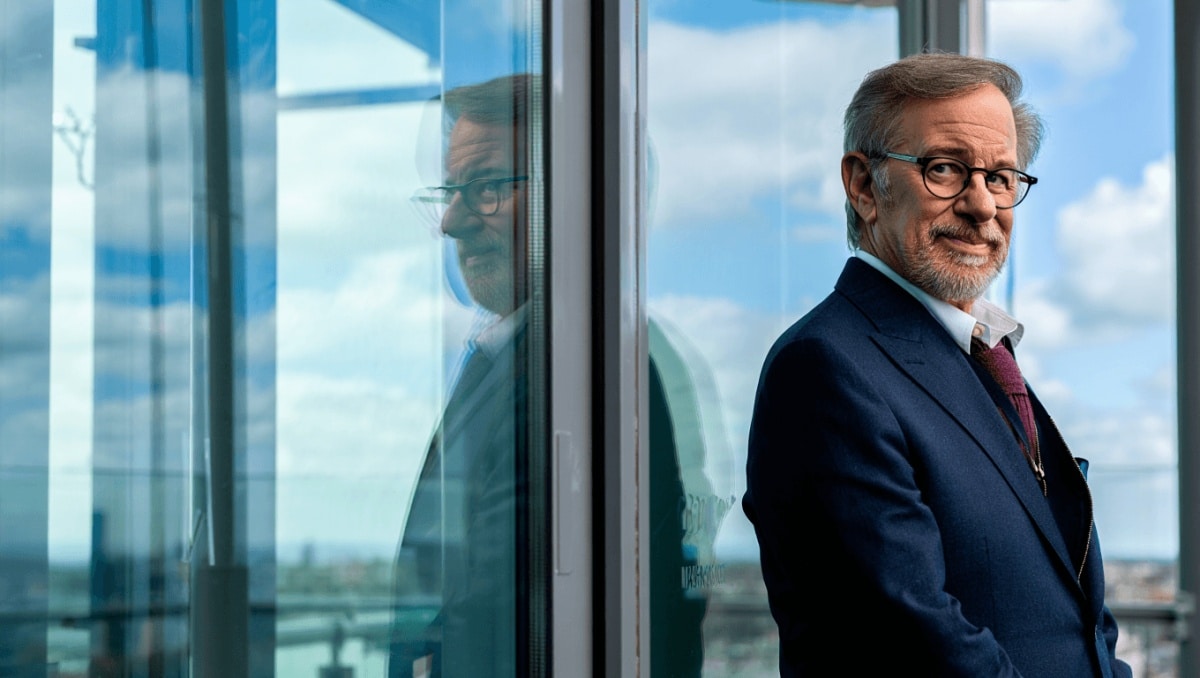
Steven Spielberg’s new film Disclosure Day arrives at a moment when talk of extraterrestrials feels less like pure science fiction and more like watercooler controversy. Between public musings by former presidents and grainy Pentagon images, the idea of an official cover-up is back in conversation. Spielberg taps that cultural pulse but folds it into a story that is often nostalgic, sometimes thrilling, and occasionally sentimental.
Spielberg’s return to alien stories and cultural timing
Disclosure Day leans into Spielberg’s long history with alien narratives. It recalls the wonder of Close Encounters and the heart of E.T., while also nodding to the paranoid suspense of The X-Files era. The film feels contemporary because of recent real-world chatter about UFOs. Yet its tone is more retro. Spielberg seems to enjoy revisiting familiar moods rather than inventing new ones.
Nas slams music industry over disrespect: teases new music, vows to address it
1992 vocal performances: 3 jaw-dropping moments that still amaze
What the film is about — a fresh take on whistleblowing and secrecy
The story follows two strangers whose lives shift around a shocking revelation. One is Daniel Kellner, a cybersecurity specialist who decides to expose a private agency that has hidden evidence of alien visits. The other is Margaret Fairchild, a local TV meteorologist who develops strange, involuntary abilities. Their threads speak to surveillance, secrecy, and the cost of truth.
Core plot points without spoilers
- Daniel steals video proof of nonhuman visitors and seeks to go public.
- Margaret begins making unexplained noises and demonstrates telepathic insight.
- Both are hunted by a shadowy agency named Wardex.
- The film asks whether the real threat is alien technology or human cruelty.
Characters and performances that anchor the drama
The cast gives the material emotional depth. Josh O’Connor plays Daniel with a believable mix of vulnerability and resolve. Emily Blunt transforms a small-town broadcaster into an eccentric and unpredictable force. Colin Firth turns the agency’s leader into a chilling antagonist. Supporting roles add warmth and thoughtfulness.
Notable performances to watch
- Emily Blunt — Delivers the film’s most inventive and daring work.
- Josh O’Connor — Grounds the film with an Everyman sincerity.
- Colin Firth — Gives the villain a wounded, formidable edge.
- Eve Hewson, Colman Domingo, and Elizabeth Marvel — Provide compelling support.
Memorable scenes and directorial choices
Spielberg shows he still enjoys cinematic trickery. The movie contains a tense mind-control sequence and a resourceful escape that feel crafted to elicit gasps. The director balances spectacle with quieter character moments. Sometimes the film’s emotional beats tilt toward obvious sentiment. Other times, the visual imagination is unmistakably his.
Scenes that stand out
- A tense attempt to manipulate a protagonist’s loyalties using psychological tech.
- An electric escape that pays off with old-fashioned showmanship.
- Quiet, intimate interactions that reveal why the characters fight for disclosure.
Themes: secrecy, faith, and what “disclosure” means
Disclosure Day probes more than conspiracy. It asks how knowledge reshapes belief. A subplot involving a nun offers a thoughtful perspective. She suggests that finding life beyond Earth would expand, not erase, spiritual wonder. The film also argues that human malice can outshine any extraterrestrial threat.
How the movie connects to real-world headlines
Recent comments from political leaders and a Pentagon release of unclear images have fueled public curiosity about unknown aerial phenomena. The film taps those headlines without pretending to be an exposé. Instead, it uses current interest as a stage for moral questions about who controls information and why.
Visuals, pacing, and the film’s emotional arc
The visual design often captures a childlike awe. Spielberg stages close encounters and domestic moments with equal care. Pacing varies. The middle sections build momentum, while the finale shifts into a broader emotional register. That shift aims for catharsis. It may feel earned to some viewers and forced to others.
Strengths, flaws, and audience takeaways
- Strengths: Strong central performances, inventive sequences, and Spielberg’s signature visual touch.
- Weaknesses: Moments of heavy sentiment and a finale that leans on easy redemption.
- For viewers: Expect a blend of mystery, human drama, and classic Spielberg spectacle.
Why Disclosure Day matters in today’s entertainment landscape
The film revisits familiar territory while engaging with contemporary fascination over unexplained phenomena. It is not merely a thriller about aliens, but a meditation on secrecy, belief, and the ethics of exposure. For fans of Spielberg’s best work, there is much to admire. For others, the film may read as a nostalgic rerun with modern headlines as garnish.










