
Show summary Hide summary
- How early social platforms turned stunts into real donations
- When billionaires went public with promises
- The ice bucket moment and its ripple effects
- How politics and algorithms fractured online goodwill
- What the data shows about giving trends
- Performance, signals, and the ethics of “performative” giving
- Where philanthropy goes when attention is scarce
- Why some efforts still spark communal hope
- Lessons for charities and hopeful organizers
- Voices from the era and beyond
- Signs that earnestness may return
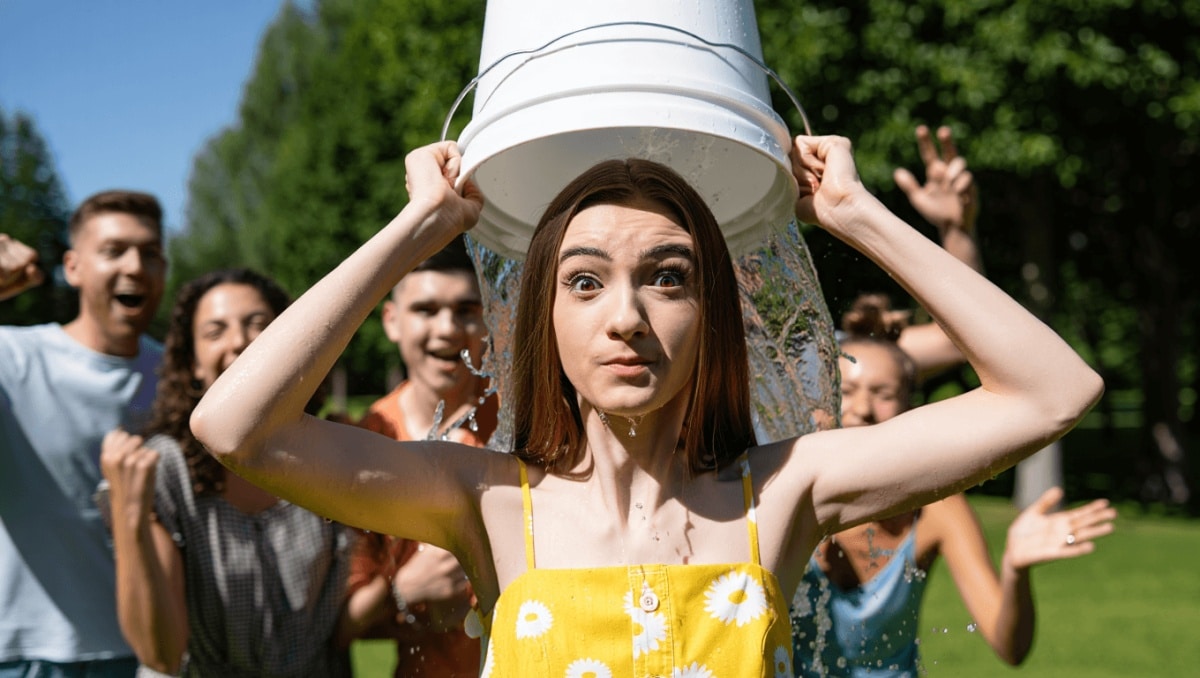
In the heat of a summer that felt oddly united, people across the globe dumped cold water on their heads to raise money for a disease most had barely heard of. The ice bucket videos were funny, messy, and contagious. They also exposed a moment when social media, celebrity culture, and mass generosity seemed to collide into something powerful and hopeful.
How early social platforms turned stunts into real donations
In the early 2010s, platforms like Facebook and Twitter felt less like ad machines and more like public squares. Users shared personal stories and causes with friends and strangers.
Nas slams music industry over disrespect: teases new music, vows to address it
1992 vocal performances: 3 jaw-dropping moments that still amaze
- Small acts spread quickly through networks.
- Celebrity posts amplified causes to millions.
- Hashtags and short videos made participation simple.
Campaigns such as #Movember, #Kony2012, and #GivingTuesday showed how digital momentum could be harnessed for fundraising. The format was straightforward: make it easy to join, tag friends, and post proof online.
When billionaires went public with promises
High-profile pledges gave the era extra credibility. Wealthy figures publicly committed to large-scale giving. Those announcements made headlines and set a tone.
Why the Giving Pledge mattered
Launched in 2010, the Giving Pledge asked the ultra-rich to promise half their wealth to charity. It offered a simple narrative: money plus expertise could solve big problems.
- The pledge was symbolic more than contractual.
- Many signatories already had philanthropic plans.
- Public letters and media tours reinforced the message.
The pledge made generosity into a status symbol for some. For a brief period, philanthropy felt trendy among tech founders and celebrities.
The ice bucket moment and its ripple effects
What began as a grassroots stunt soon exploded into a global movement. Millions posted videos of themselves being doused with ice. Donations poured in.
- The ALS Association collected tens of millions in weeks.
- Research projects accelerated thanks to new funding.
- Most participants, however, treated it as a one-off trend.
Even so, the money led to scientific progress that took years to show results. The viral nature of the campaign delivered quick capital, but medical advances move slowly. For many donors, the challenge was a single viral act rather than a sustained commitment.
How politics and algorithms fractured online goodwill
By mid-decade the internet’s culture changed. Algorithmic timelines, targeted feeds, and rising polarization altered what content spread.
Factors that dimmed viral earnestness
- Feeds optimized for attention rather than shared values.
- Political uprisings and social justice movements split audiences.
- Commercialization shifted influencers away from causes.
Events like major protests forced attention into competing lanes. Audiences no longer experienced a single viral moment together. Instead, social media fragmentation made mass, apolitical acts of giving harder to sustain.
What the data shows about giving trends
Charitable behavior shifted in measurable ways. The share of households donating fell. The wealthy gave larger dollar sums, but not necessarily larger shares of their assets.
- Fewer than half of American households now donate.
- Average household giving as a share of income has declined.
- Billionaires have increased total dollars but often not the percentage of wealth given.
Rising inequality changed expectations. Many people believe the ultra-wealthy should shoulder more of the philanthropic burden. That belief affected ordinary donors, who felt less compelled to broadcast small acts of charity.
Performance, signals, and the ethics of “performative” giving
Many viral campaigns mixed sincere intent with social signaling. Public acts of generosity could be both helpful and self-promotional.
- Some participants donated; many merely mimicked friends.
- High-profile pledges sometimes reflected existing giving patterns.
- Still, public campaigns funneled funds that made a difference.
The line between virtue signaling and impactful philanthropy is blurry. Even shallow participation can yield funds and awareness. Yet the rise of cynicism changed how people view performative acts.
Where philanthropy goes when attention is scarce
As shared online attention waned, giving moved toward more private or narrowly targeted channels. Platforms such as GoFundMe and direct donations to local causes grew in popularity.
New patterns of modern giving
- Neighbor-to-neighbor generosity increased.
- Cause-specific fundraisers bypass broad social feeds.
- Nonprofits adapted by building offline and community networks.
Big, broadcasted spectacles are rarer. But communities still mobilize for urgent needs. Philanthropy shifted from mass viral moments to more fragmented, trust-based giving.
Why some efforts still spark communal hope
Occasional flashes of earnestness return. College students, niche creators, and grassroots groups can still revive viral-style campaigns.
- Smaller revivals can raise meaningful funds.
- Authentic local energy often outperforms algorithmic pushes.
- Younger generations reframe nostalgia into new formats.
Small-scale virality can still rebuild shared purpose. When communities rally offline and online together, generosity regains momentum.
Lessons for charities and hopeful organizers
Nonprofits and campaigners must adapt to a fractured attention economy. Success now depends on combining digital tactics with real-world relationships.
- Invest in long-term donor engagement, not single stunts.
- Leverage local networks to escape algorithmic bubbles.
- Be transparent about impact to sustain trust.
Campaigns that mix online visibility with concrete, measurable outcomes stand a better chance of keeping supporters involved.
Voices from the era and beyond
People who built or rode these movements offer mixed reflections. Some mourn the loss of collective optimism. Others say the shift was inevitable.
- Early organizers recall a moment of rare internet unity.
- Critics warn that billionaire-led philanthropy can mask systemic problems.
- Defenders argue that any funds raised are worth the trade-offs.
The debate continues over whether public pledges and viral stunts are shallow theater or useful tools. Both truths exist simultaneously.
Signs that earnestness may return
Cultural cycles and nostalgia can rekindle past behaviors. Younger creators sometimes remix old trends in ways that feel fresh.
- Revived challenges occasionally hit new audiences.
- Community-driven fundraisers can scale through trusted networks.
- Transparency and measurable impact improve donor retention.
Even if the internet never reverts to its earlier, more unified state, pockets of shared goodwill still emerge. Those pockets can produce substantial effects when they connect to solid organizations and follow-up strategies.










