
Show summary Hide summary
- Court decision that forced the change and what it means
- How the removal unfolded: timing, weather and secrecy
- Public reaction at the plaza and online
- Political push that led to the court fight
- Administration arguments about fundraising and the center’s future
- Broader context: changes to the capital and symbolism
- Voices on site: perspectives from advocates and neighbors
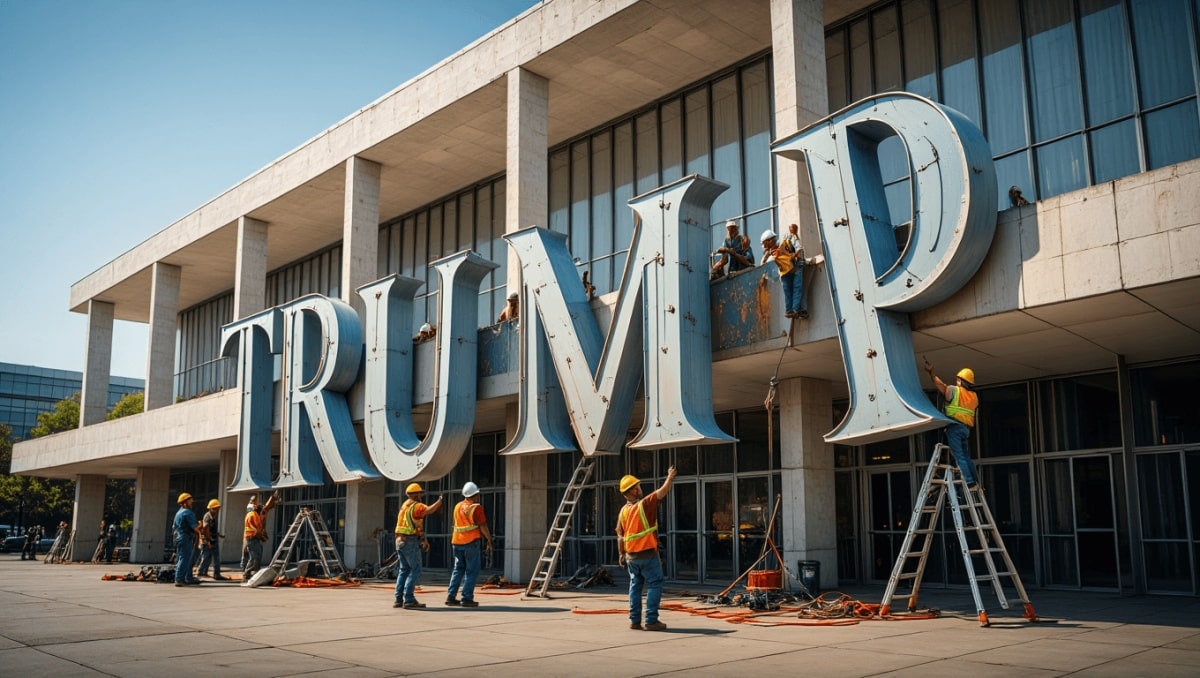
Workers quietly removed President Donald Trump’s name from the Kennedy Center early Saturday, carrying out a court-ordered mandate that halted a controversial rebranding of the storied performing arts venue. The letters came down less than six months after they were installed, ending a public clash over authority, fundraising and the limits of presidential influence in the capital.
Court decision that forced the change and what it means
A judge found the center could not rename its façade without approval from lawmakers. That ruling became the legal basis for taking the name off the building.
Nas slams music industry over disrespect: teases new music, vows to address it
1992 vocal performances: 3 jaw-dropping moments that still amaze
- The court said Congressional authorization is required to alter the center’s official name.
- An attempt by the administration to pause that order failed when an appeals court denied a temporary stay.
- Officials argued the name was key to donor support; the court disagreed on the renaming process.
How the removal unfolded: timing, weather and secrecy
Crews put up scaffolding around the section of the façade where the metallic letters had been mounted. Rain and late-night storms shaped the schedule and prompted requests to delay briefly.
In the early hours, workers covered the scaffolding with tarpaulins and removed the dozen-plus bronze letters. The operation was deliberate, swift and largely concealed from direct view.
Step-by-step timeline
- Scaffolding assembled along the named section of the building.
- Tarps deployed to shield the work from the elements and cameras.
- Letters unbolted and taken down in pre-dawn hours.
- References to the president were removed from the center’s website.
Public reaction at the plaza and online
Despite the covered work, a crowd gathered overnight to watch. Some spectators criticized the secrecy of the removal. Others cheered the enforcement of the court order.
Onlookers expressed a range of views about accountability and power. Several described the take-down as a needed assertion of legal limits on presidential actions.
Political push that led to the court fight
The change to the center’s name followed a sweeping reshaping of its leadership. New trustees appointed by the president soon listed him as chair and added his name to the building.
- Board members and senior leaders were replaced early in the second term.
- The trustees then approved adding the president’s name to the official signage.
- The decision sparked a legal challenge from a member of Congress.
Legal challenge and key voices
Rep. Joyce Beatty of Ohio filed the lawsuit seeking removal of the name. She was present at the plaza as crews worked and said enforcement of the court order was overdue.
Representatives of the Kennedy Center confirmed the removal in a court filing and noted the operation faced weather-related complications.
Administration arguments about fundraising and the center’s future
The White House asked judges to delay enforcement, arguing that removing the name would cripple fundraising tied to a renovation project.
In court filings, officials claimed donors were drawn by the association with the president. Judges rejected the request to pause the ruling, allowing the removal to proceed.
Broader context: changes to the capital and symbolism
The name removal unfolded against a backdrop of other high-profile changes overseen by the president. These included alterations to the White House complex and the placement of large images at federal sites.
For many who watched the removal, the episode represented a small but visible reclaiming of public space from what they saw as an overreach.
Voices on site: perspectives from advocates and neighbors
Activists and community members framed the action as enforcing checks on authority. One advocacy worker said the removal reaffirmed that no one is above court orders.
Others described the covered, late-night operation as emblematic of a lack of transparency in recent policies and changes to public institutions.










