
Show summary Hide summary
- From a community campaign to a movie made in Mumbai
- Learning to shoot: low-cost tools, real training
- Directing their own narratives: creative control and confidence
- Moments on camera: dancing, domestic scenes, and candid life
- How the film evolved: timeline, production and editing
- Premiere, earnings and ownership details
- Credits, collaborators and next steps
- Why this project matters for grassroots storytelling and public health campaigns
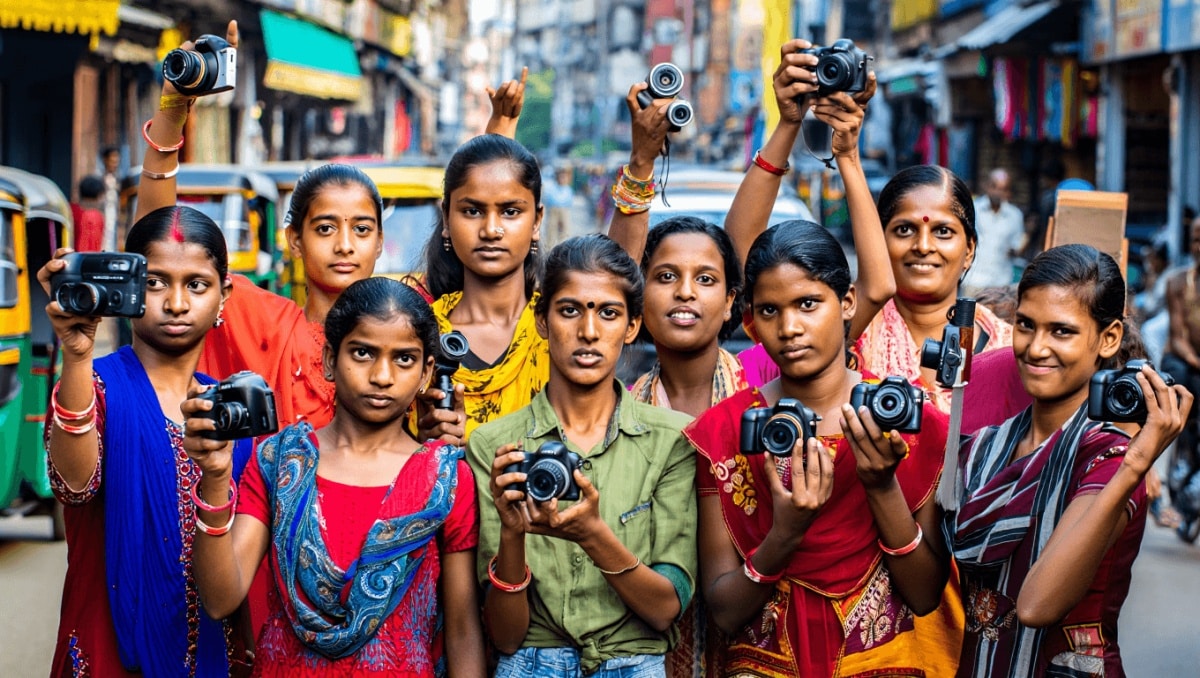
A group of ten working women from Mumbai turned smartphones into a filmmaking classroom, then into a full-length film that flips the script on who gets to tell urban stories. Their movie, made with basic phone cameras and a crash course in production, debuted to a packed 1930s art-deco theater and a cheering crowd of neighbors and family.
From a community campaign to a movie made in Mumbai
The project began as a local campaign idea and quickly grew into a feature documentary. CORO India, an NGO that trains marginalized women in leadership, proposed a film tied to its public sanitation advocacy. Their goal was simple: let women from the M-east ward tell the story.
Nas slams music industry over disrespect: teases new music, vows to address it
1992 vocal performances: 3 jaw-dropping moments that still amaze
They recruited a filmmaker and educator from the Tata Institute of Social Sciences to guide the process. What followed was an experiment in grassroots filmmaking, where the subjects also became the creators.
Learning to shoot: low-cost tools, real training
A short, intensive curriculum introduced the participants to basic film craft. Lessons covered composition, lighting, and steady framing. Practice assignments sent pairs of women into Mumbai each week to shoot short exercises.
- Training schedule: weekly sessions on weekends.
- Equipment: just five smartphones shared between ten women.
- Assignments: short shoots such as monsoon scenes or personal interviews.
Those exercises expanded the film’s vision. Instead of a brief piece on toilets, the co-directors chose to record daily life, private moments, frustrations and joys. The final film runs for about 70 minutes.
Directing their own narratives: creative control and confidence
As they learned camera techniques, the women also gained agency. Filmmaking became a tool for self-expression. The team deliberately named the film in Hindi to reflect their tone: a phrase that combines playfulness and defiance.
The title captures a spirit of resilience and joy. It was chosen collectively to resist slum stereotypes and to show the women as fearless, relaxed, and expressive.
Moments on camera: dancing, domestic scenes, and candid life
Rehana’s dance scene and a quiet pushback at home
One co-director rehearsed a bright, beaded costume and filmed herself dancing in a small kitchenette. She had never been allowed to attend classes as a child. Her husband worried about her appearing on screen, so she negotiated her participation.
With encouragement from fellow co-directors, she kept the dance in the film. At the premiere, her family cheered loudly. That applause reflected a personal victory as much as a cinematic one.
Other personal portraits
A toilet operator spoke about reclaiming youth and joy after years of labor. A community worker described finding a voice through the camera, using the experience to advocate for property rights and dignity.
How the film evolved: timeline, production and editing
The idea took shape in 2024 and filming stretched across six months. Post-production continued for over a year. The collaborative editing process balanced technical guidance with the co-directors’ own priorities.
- Filming duration: roughly 6 months.
- Editing time: about 18 months.
- Final runtime: ~70 minutes.
Premiere, earnings and ownership details
The film opened at Mumbai’s historic Regal theater to about 1,200 attendees, including neighbors, friends and film lovers. Since then, the team has organized community screenings and plans to submit to festivals.
Financial arrangements were designed with fairness in mind. Each co-director received a modest payment for the work. They also retain shared copyright and will split future revenue from distribution or ticket sales with the producer and the filmmaker.
- Initial payment per co-director: $262.
- Shared ownership: co-directors, the filmmaker and CORO India jointly hold copyright.
- Plans: community screenings and festival submissions.
Credits, collaborators and next steps
The project was led by a local nonprofit and mentored by a media educator. Together they created a model for participatory filmmaking that centers local voices.
Co-directors on the project include:
- Rehana Shaikh
- Sheetal Navle
- Vaishali Mane
- Darshana Mayekar
- Kavita Ghuge
- Rohini Kadam
- Kavita Khomne
- Gauri Rane
- Anjum Shaikh
- Nazneen Siddiqui
The filmmaking mentor and co-director came from an academic film program. CORO India served as executive producer and pushed for community ownership from the outset.
Why this project matters for grassroots storytelling and public health campaigns
Giving tools to those directly affected by urban issues rewrites how narratives are produced. When local women lead the camera, they control nuance and context.
Grassroots filmmaking can amplify campaigns such as public sanitation movements. It also creates a space for joy and everyday resistance in neighborhoods often overlooked by mainstream media.










