
Show summary Hide summary
- Two critics, two verdicts: a warm coda or an unnecessary epilogue
- Which threads were tied and which were simply wrapped in bows
- Character focus: whose story did the finale center?
- Food on screen: appetite for spectacle or for connection?
- Production choices: soundstage intimacy vs. Chicago veracity
- Ensemble strengths and the characters left in the margins
- Trophies, reviews and what they mean for the story
- What viewers might take away: comfort, frustration or something in between?
- Open questions the finale left on the table
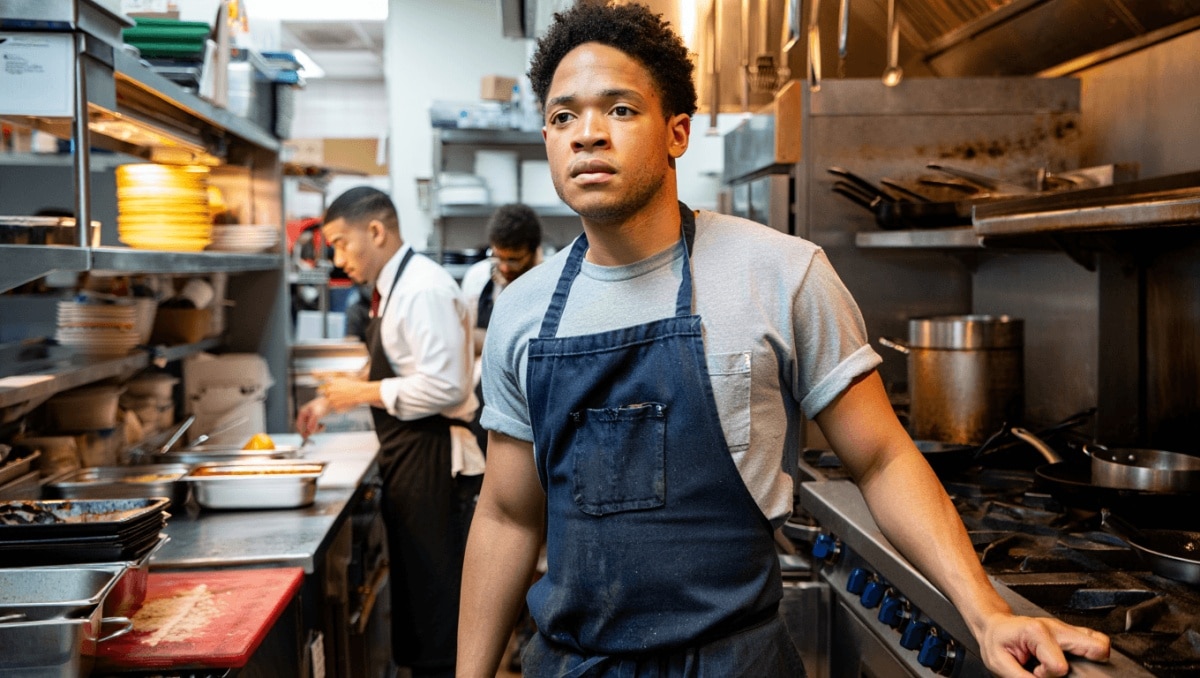
FX/Hulu’s The Bear served a finale that felt more like an extended exhale than a dramatic crescendo. The last episode traded the claustrophobic heat of the kitchen for small, domestic scenes and cameo-studded parties. Spoilers follow for “The Original Beef of Chicagoland.”
Two critics, two verdicts: a warm coda or an unnecessary epilogue
Critics responding to the finale landed on opposite sides. One called the episode a gentle, satisfying aftertaste. The other found it superfluous and at times frustrating.
Nas slams music industry over disrespect: teases new music, vows to address it
1992 vocal performances: 3 jaw-dropping moments that still amaze
Proponents saw the episode as a chance to linger. They valued the quiet moments that gave each character a last embrace. The finale, in this view, was less about resolving mysteries and more about savoring who the Bears have become.
Detractors argued that the episode told viewers things they could already imagine. For them, the closing scenes felt like explicit confirmations of outcomes the audience had earned. That made the finale seem indulgent, and in some cases, tone-deaf.
Which threads were tied and which were simply wrapped in bows
The episode closed several narrative loops. A few small mysteries got answers. Relationships were gently nudged forward. Ambitions were acknowledged.
- Romantic sparks between staff got a tidy moment of confirmation.
- Friendships and workplace bonds ended on affectionate notes.
- A surprise phone call revealed an accolade that prompted an emotional reaction.
- Multiple celebrities appeared briefly, reinforcing the show’s cultural reach.
For some viewers, those items were welcome. For others, they felt like extras on a director’s cut.
Character focus: whose story did the finale center?
The series has often followed Carmy’s spiral and recovery. This season shifted more attention to Syd’s growth. The finale, however, opted to distribute screen time across the ensemble rather than give Syd a clear final chapter.
- Carmy: He lands in a steadier place. The finale gives him a scene tied to recognition and reconciliation.
- Syd: She gets relief and a day off, but not the singular closing beat some viewers expected.
- Richie: Gets a personal, tender moment that underscores his emotional progress.
- Supporting cast: Tina, Marcus and Luca enjoy relaxed, humanizing moments that underline the show’s ensemble strength.
Some critics wanted the last image to rest on Syd. Others accepted the finale’s decision to parcel out gentle endpoints to many people.
Food on screen: appetite for spectacle or for connection?
The Bear built a reputation on vivid culinary scenes. Over time, some argued, the show’s food shifted toward aesthetic precision rather than sensory longing.
Key questions emerged around presentation, price and purpose:
- Was the $190 per-head price credible for the world the show had built?
- Did intricate plating serve story and character or simply artful display?
- Was the series still “food porn,” or had it become a showcase of technical prowess?
One critic noted the early seasons generated real hunger. Later episodes often admired dishes more than they invited viewers to taste them. The debate touched on whether the show had traded warmth for polish.
Production choices: soundstage intimacy vs. Chicago veracity
Many praised the series for its early, location-based authenticity. Later episodes leaned into controlled, stage-bound shooting. That choice served claustrophobic scenes well.
But it also prompted comments that the season had become less anchored to the city. The finale offered more on-location touches, yet some viewers still felt the visual authenticity was inconsistent.
Ensemble strengths and the characters left in the margins
The Bear’s emotional core often came from its ensemble. Certain actors received career boosts and increased visibility. Others felt sidelined.
- Performances from the leads remained widely praised.
- Secondary characters who were positioned for upward mobility stayed central.
- But several background workers and lower-tier staff disappeared from the narrative.
Critics noticed an uneven approach to workplace lives. Characters who were shown empathy sometimes vanished without follow-up. That raised questions about the show’s commitment to a truly inclusive depiction of kitchen life.
Trophies, reviews and what they mean for the story
One of the episode’s emotional pivots comes from a call revealing a formal distinction. Reactions to that beat were mixed.
For some viewers, such recognition offered catharsis after a long struggle toward excellence. For others, the obsession with external awards felt at odds with earlier themes that valued family and craft over accolades.
The question became whether such validation completes a character’s arc or merely provides a convenient trigger for an embrace on camera.
What viewers might take away: comfort, frustration or something in between?
The finale inspired three recurring responses.
- Comfort: Fans who wanted to leave the kitchen with characters in better places appreciated the emotional tidy-ups.
- Frustration: Viewers who preferred implication over exposition felt the episode robbed them of imagination.
- Ambivalence: Others welcomed the warmth but bristled at moments that felt forced or overly tidy.
Beyond emotional reactions, the episode reopened debates about the series’ identity. Was it a show about culinary artistry, family bonds, or the price of ambition?
Open questions the finale left on the table
Even with much resolved, the ending left some threads intentionally loose. Fans will likely keep discussing:
- How will ownership and costs reshape the restaurant’s future?
- Will Syd ultimately steer the kitchen the way the series hinted?
- Which background lives deserve more attention in any imagined continuation?
That continuing curiosity may be the show’s most durable legacy. Which elements mattered most to viewers depends on whether you watched for character or cuisine, for closeness or craft.
Final takeaways to debate at dinner
- The finale split opinion: some called it a warm curtain; others labeled it unnecessary.
- Character focus shifted: the show closed many arcs, but not always in service of its strongest threads.
- Food imagery evolved: technically dazzling plates sometimes outpaced emotional appetite.
Which version of the finale sits better with you — the cozy parting toast or the over-explained epilogue?










