
Show summary Hide summary
- What makes the World Cup more than another sports tournament
- Underdogs, draws, and moments that feel like wins
- Host-country performance and the American awakening
- Fans, travel culture, and national stereotypes — the good and the colorful
- Migration, identity, and the modern national team
- Historic chapters and the tournament’s lore
- Why stylistic innovations can matter more than silverware
- Controversies around FIFA and the business of the Cup
- The tournament’s unique rhythm: five weeks of continuous soccer
- How the Cup survives politics and polarizing headlines
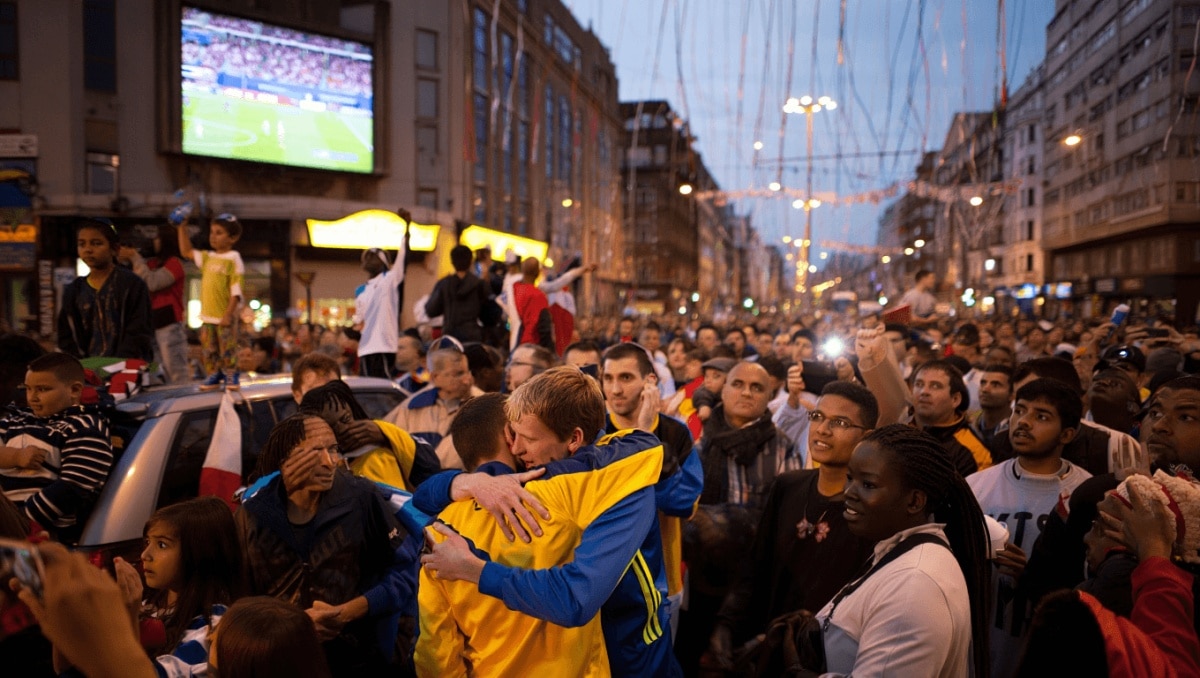
The World Cup arrives every four years and manages something rare: it becomes everyone’s event. Streets change, living rooms fill, and strangers from distant places sing the same songs. The 2026 tournament, staged across the US, Canada, and Mexico, has revived that familiar global pulse — even as politics, money, and controversy circle the spectacle.
What makes the World Cup more than another sports tournament
Football’s flagship event reaches audiences few other competitions touch. The 2022 edition pulled in an estimated 5 billion viewers at some point. With a larger field of nations and three North American hosts in 2026, the scale only grows. Beyond viewership, the tournament’s power comes from how it blends national pride, human stories, and unpredictable sport.
Nas slams music industry over disrespect: teases new music, vows to address it
1992 vocal performances: 3 jaw-dropping moments that still amaze
- Mass reach: billions tune in across time zones.
- Deep narratives: tiny nations, immigrant players, and superstar moments collide.
- Length: a month of near-daily drama keeps attention high.
Underdogs, draws, and moments that feel like wins
Part of the World Cup’s drama is the way unexpected results become national triumphs. A stalemate on the scoreboard can turn into the biggest achievement in a country’s sporting history. When lower-ranked teams hold favorites to a draw, the headlines and celebrations read like victory.
Recent group-stage games saw small nations punch above their weight. Those scores rewrite local sports lore overnight.
Host-country performance and the American awakening
Hosting shifts the spotlight to the home team, and the US squad has arrived with optimism. Young stars and experienced pros are blending into a side that can stretch opponents. A convincing opening-day win sparked fresh talk about realistic runs deep into the knockout rounds.
For American audiences, the World Cup is also an education in global fandom and in the nation’s own cultural quirks.
Fans, travel culture, and national stereotypes — the good and the colorful
Fan groups travel with theatrical dedication. Tartan-clad Scots turned a Boston weekend into a sea of plaids and raucous pubs. Japanese supporters made headlines by tidying stadium stands after matches — a tradition that draws admiration world-wide. Moments like these shape perceptions as much as the matches themselves.
- Costume and song create unforgettable scenes.
- Local economies see surges in hospitality and retail.
- Viral clips of tourists exploring gas stations or late-night diners reshape travel narratives.
Migration, identity, and the modern national team
The World Cup highlights how national identity in football is porous. A large share of players represent countries other than their birthplaces. For several teams, the majority of squad members grew up outside the borders they now defend. That reality reflects decades of migration and diaspora networks.
Examples of cross-border squads
- Curaçao fielded nearly an entire roster born abroad.
- Morocco started a match with a fully foreign-born lineup.
- Across the tournament, many players trace complex journeys from childhood homes to elite club academies.
The result: the tournament remains a contest of flags while revealing the global flows that shape modern sport.
Historic chapters and the tournament’s lore
In under a century, the World Cup has accumulated tales that belong in a novel. From the sport’s first international goals to wartime safekeeping of trophies, the competition carries quirks and legends that keep older fans telling stories and younger fans curious.
- A snowy opening goal in the early years is still retold.
- The trophy’s wartime hiding shows how sport survives politics.
- A dog recovering a stolen trophy remains one of the tournament’s stranger postcards.
Why stylistic innovations can matter more than silverware
Some teams have won admiration without lifting the trophy. Tactical revolutions or audacious aesthetics can cement a side’s place in football history. A famous squad introduced a flexible, position-swapping system that changed how the sport is played. Fans still debate whether the trophy or the approach mattered more.
Controversies around FIFA and the business of the Cup
Despite the magic on the pitch, the tournament is inseparable from governance problems. FIFA has been mired in corruption scandals, opaque bidding processes, and charges of malpractice. Those controversies have left scars on the event’s reputation.
- High-profile investigations exposed decades of alleged bribery tied to World Cup bidding.
- Awarding tournaments to nations with human-rights questions sparked protests and reporting.
- Fans and consumer advocates have raised alarms about ticketing practices and pricing.
Yet even amid scandal, the competition’s appeal often outshines the grievances directed at the governing body.
The tournament’s unique rhythm: five weeks of continuous soccer
Most major events compress into a single game or short window. The World Cup stretches across roughly five weeks, giving fans time to build rituals and communities. That marathon format turns each day into a small festival of matches, conversations, and social rituals.
- Daily fixtures mean fewer “off” days and constant talking points.
- Longer duration boosts local tourism and media cycles.
- It creates more chances for upsets, narratives, and viral memories.
How the Cup survives politics and polarizing headlines
From diplomatic tensions to media stunts, the lead-up to any World Cup is peppered with controversy. Yet once the ball is kicked, conversations usually refocus on skill, drama, and human stories. Fans who care most about the game keep returning to the stadiums and living rooms.
The World Cup’s resilience comes from its capacity to deliver shared moments that feel larger than the controversies surrounding it.










