
Show summary Hide summary
- What the series is: a sketch project for HBO’s anniversary programming
- How Larry David’s comic DNA drives the new sketches
- Memorable sketches and the show’s best jokes
- When the satire gets political: hits and misses
- Collaborators, guest appearances, and production values
- Why the concept resonates: a comedic lens on American character
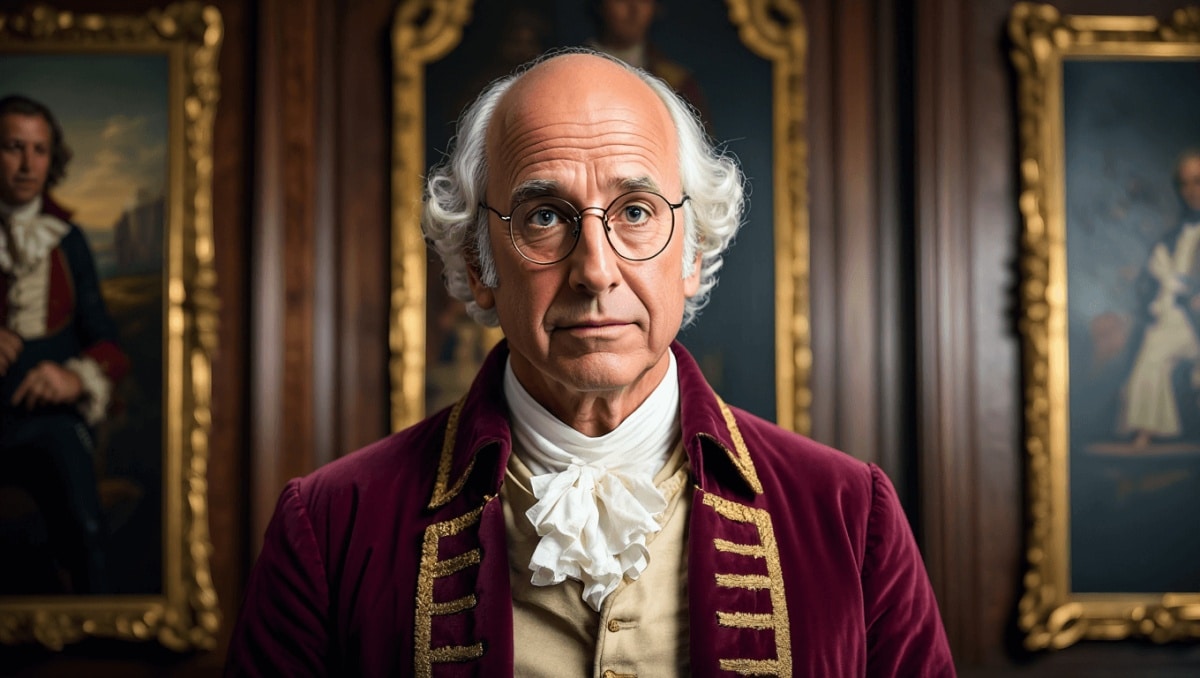
Larry David returns with a new HBO sketch series that repackages his signature gripes and social tics into period costumes and colonial wigs. Life, Larry and the Pursuit of Unhappiness sends David into American history, mounting his well-worn comic obsessions on episodes that range from sly to heavy-handed. The result is part nostalgia for Curb Your Enthusiasm’s petty epiphanies and part experiment in historical satire.
What the series is: a sketch project for HBO’s anniversary programming
Life, Larry and the Pursuit of Unhappiness is a seven-episode sketch show on HBO and HBO Max. It is timed to the nation’s 250th birthday and produced with Higher Ground, the Obamas’ production company. The 44th president gives an on-camera introduction, framing the show as a look at American flaws as much as a comedy.
The format:
Nas slams music industry over disrespect: teases new music, vows to address it
1992 vocal performances: 3 jaw-dropping moments that still amaze
- Standalone vignettes per episode.
- Period costumes and sets that place Larry in key moments of U.S. history.
- Recurring collaborators from Curb, plus new guest players.
How Larry David’s comic DNA drives the new sketches
David’s humor has always skewed small-scale: social rules, petty slights and vanishingly specific etiquette. The new series leans into that toolkit. Instead of modern Los Angeles, the same obsessions are staged among founders, explorers and historical figures. This reframing asks a simple question: what if our worst impulses shaped big events?
Recurring comic beats include:
- The “chat ’n’ cut,” repurposed for lines in soup kitchens and community gatherings.
- The “pig parker” idea, here transposed to horses and carriages.
- Intrusive guests, awkward hosts and the familiar Larry-Leon-style friction.
Memorable sketches and the show’s best jokes
The series finds its stride when it lets petty human behavior speak for itself. Those moments often land hardest because they reveal how ordinary pettiness can undercut lofty moments in history.
Notable vignettes include:
- A disastrous dinner party hosted by a suffrage leader, played for both cringe and absurdity.
- An exclusion from a rioting tea protest because the protagonist is a social drag.
- A version of Meriwether Lewis who deserts the homefront for male camaraderie, reworking a famous partnership.
- A stop on the Underground Railroad that quickly reverts to a squabble between an unwelcome host and an intrusive guest.
Those scenes benefit from tight writing and the familiar chemistry of David’s troupe. Costumes and production design lift simple jokes into richer tableaux. When the show leans into the mundane, it often produces the sharpest laughs.
When the satire gets political: hits and misses
The series rarely shies from topical jabs. Sometimes those jabs feel earned. Other times they read as blunt political messaging that clashes with David’s strength: observational discomfort.
Highlights and problem areas:
- Some sketches skew toward biting political parody with a clear target.
- At least one vignette slides into overt anti-Trump commentary that lands awkwardly.
- A segment addressing medical skepticism points a finger at anti-vaccine attitudes.
- A parody of a well-known modern figure has sharper teeth, partly due to personal connections to the Curb universe.
When the show pursues moralizing territory, the comic rhythm loosens. The contrast shows why David’s funniest material historically focused on social minutiae rather than public-policy polemics.
Collaborators, guest appearances, and production values
David leans on familiar partners and some high-profile new faces. Jeff Schaffer directs episodes and several Curb regulars appear in multiple roles. The clothes, sets and larger production scale are notable departures from the modest feel of earlier work.
Casting and crew notes:
- Longtime ensemble players return in period roles.
- High production values recreate historical scenes from the Alamo to World War I trenches.
- Some guest appearances are kept under wraps for surprise effect.
Episode rollout: the series launched on June 26 at 9 p.m. ET, with additional episodes released weekly on Fridays.
Why the concept resonates: a comedic lens on American character
At its core, the show proposes a thesis: history is made as much by small, selfish acts as by grand ideals. By inserting Larry-style complaints into famous moments, the series suggests that the petty and the profane are as much a part of the national story as heroism.
Elements that reinforce that idea:
- Frequent Zelig-style cameos that have Larry popping up across eras.
- Contrast between historical stakes and trivial concerns, used for irony.
- A tone that blends cynicism with affection for the messy reality of people.
Strong performances and some sharp jests make the experiment worth watching for fans of the David brand. The show’s insistence on translating small social rules into grand settings produces both its funniest and most frustrating moments.










