
Show summary Hide summary
- Featherlight fit: comfort and subtle style
- Battery life and fast top-ups that free your schedule
- Google Health Premium and the AI coach: useful, not just a gimmick
- Tracking that goes beyond steps: sleep, food, and water
- When AI gets it wrong: quirks and inaccuracies
- Living without a screen: what that trade-off looks like
- Price, value, and who benefits most from the Fitbit Air
I wasn’t expecting to fall for a fitness tracker that hides its face. Yet after nearly a month wearing the Fitbit Air, I found its featherweight fit and AI-guided routines hard to ignore. This review covers how it feels on the wrist, how long it lasts between charges, what the Google-powered coaching offers, and where the tracker still stumbles.
Featherlight fit: comfort and subtle style
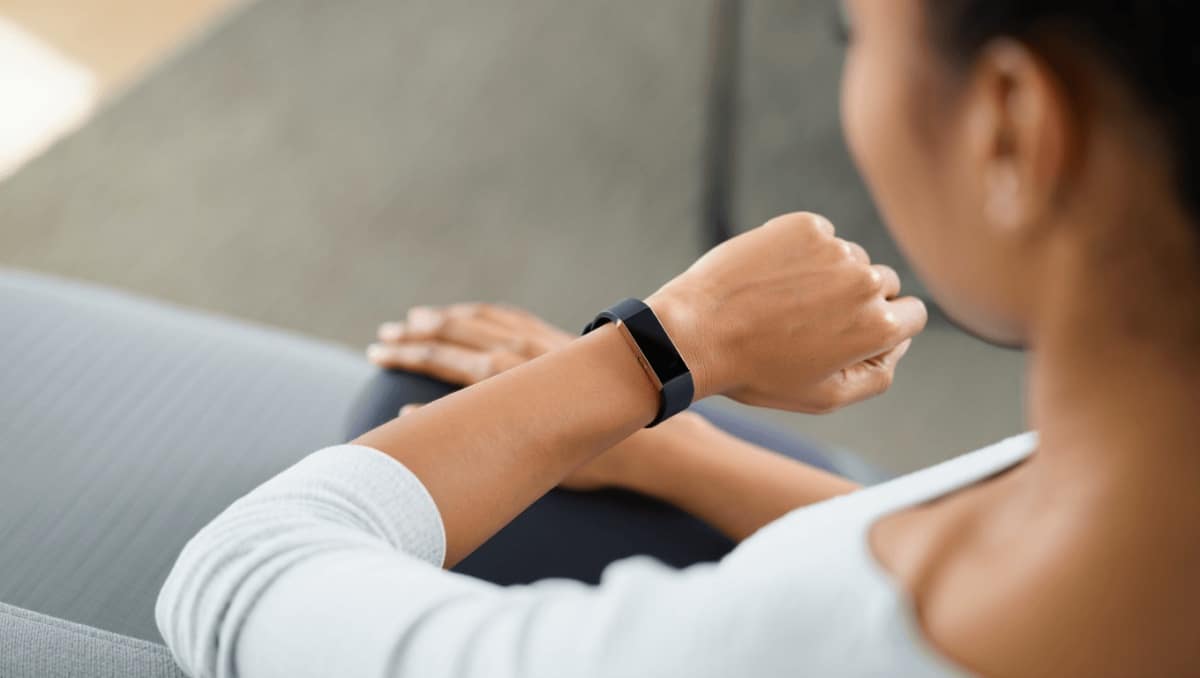
The Fitbit Air is built to be nearly invisible while worn. At 12 grams, it sits on the wrist with almost no presence.
Nas slams music industry over disrespect: teases new music, vows to address it
1992 vocal performances: 3 jaw-dropping moments that still amaze
- Many users will appreciate its minimalist look that often reads as jewelry, not tech.
- Compared with bulkier bands, the Air makes sleep and all-day wear more pleasant.
- It’s water resistant to 50 meters, though the maker advises removing it for showers to protect seals.
If comfort ranks above flashy displays, the Air delivers. Casual wearers often mistook it for a bracelet, which speaks to its discreet design.
Battery life and fast top-ups that free your schedule
Battery life is one area where the Fitbit Air genuinely stands out. Expect roughly a week of typical use.
Real-world charging and times
- Typical wear: a week or slightly more before a recharge is needed.
- Quick charge: a full refill happens in about an hour.
- Ten minutes on the charger yields meaningful uptime for a night of sleep tracking.
That combination of long runtimes and rapid recharging means you rarely need to choose between tracking sleep and charging the device.
Google Health Premium and the AI coach: useful, not just a gimmick
The Fitbit Air pairs with Google Health Premium, which layers in AI features powered by Gemini. You get personalized workout plans, guided sessions, and conversational support.
- Cost: free trial for three months, then monthly or yearly paid tiers.
- Personalization: the Coach adjusts weekly plans when you state goals like strength or lower resting heart rate.
- Integration: workouts can reference equipment you own, making sessions feel relevant.
The Coach nudged me into more consistent exercise by creating short, actionable sessions I could follow. The prompts and reminders made skipping workouts less likely.
Tracking that goes beyond steps: sleep, food, and water
Sleep analysis is one of the Air’s strongest features. Because the band is so light, overnight wear is comfortable, and the device records detailed sleep stages and naps.
- Automatic nap detection helps capture short rests missed by many trackers.
- Nutrition logging supports barcode scans and meal photos, plus macro breakdowns.
- Hydration reminders help avoid late-night overdrinking and fragmented sleep.
The app refines its insights over time as it learns your baseline patterns. For people who want actionable sleep tips, that ongoing calibration adds value.
When AI gets it wrong: quirks and inaccuracies
No AI system is flawless. During testing, activity and food logging sometimes produced odd results.
- Light physical tasks could be interpreted as food entries or get misclassified.
- Exercise guidance occasionally shows a video where the text doesn’t match the movement displayed.
- Automated suggestions can feel intrusive if you prefer less personalization.
Keep in mind that AI suggestions are helpful but not a substitute for professional medical advice.
Living without a screen: what that trade-off looks like
The Fitbit Air intentionally omits a display. That design choice will appeal to some and frustrate others.
- Pros: fewer distractions, a more analog experience, and a cleaner wrist profile.
- Cons: no on-device notifications, no glanceable time, and all data review happens on your phone.
If you want a device that reduces interruptions, the screenless approach can be liberating. If you need instant access to messages and on-wrist alerts, this is not the right fit.
Price, value, and who benefits most from the Fitbit Air
The base hardware arrives at a budget-friendly price point. The additional Google Health Premium subscription adds more advanced features.
- Base model: competitively priced as an entry-level fitness tracker.
- Subscription: useful for people who want guided plans and deeper AI insights.
- Best fit: users who prioritize comfort, basic health metrics, and AI-driven coaching.
Privacy-minded users and anti-AI skeptics may balk at the device’s reliance on machine learning and personalized prompts. Some notifications felt uncomfortably precise during testing.










