
Show summary Hide summary
- How online activists helped steer the SBC rightward
- Who’s driving the digital campaign and what they want
- Methods: how influencer tactics reshape church debate
- Numbers, decline, and the “purified” remnant
- Why this pattern may spread across American Christianity
- Platforms that amplify religious influencers
- Institutional responses and limits to the movement
- How believers and churches are reacting on the ground
Last week’s Southern Baptist Convention meeting in Orlando signaled a clear shift: delegates elected a hardline president, debated restrictions on women in ministry, and saw far-right online figures influence the agenda. Those actions reflect a broader tug-of-war inside the denomination between traditional conservative leaders and a vocal, internet-born insurgency.
How online activists helped steer the SBC rightward
The convention’s decisions were not accidental. Over recent years a network of commentators, podcasters, and digital organizers has targeted the Southern Baptist Convention (SBC) with a single aim: pull policy and culture farther right.
Nas slams music industry over disrespect: teases new music, vows to address it
1992 vocal performances: 3 jaw-dropping moments that still amaze
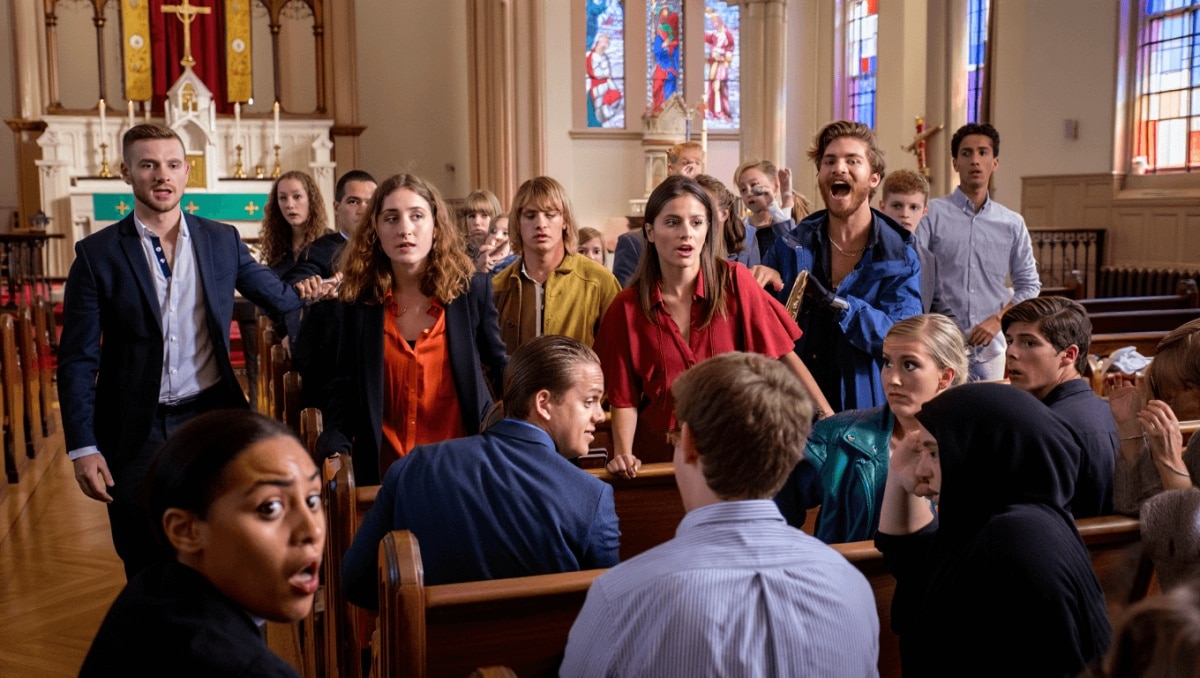
At the assembly, delegates advanced measures that align with that agenda. They pushed for limits on women serving as pastors and advanced leadership choices favored by the movement. An attempt to honor a controversial right-wing figure sparked heated debate and underscored how national politics now colors denominational votes.
The result: internet-driven pressure is translating into institutional change. Activists mine sermons, seminary syllabi, and denominational records for evidence of “drift,” then amplify those findings to mobilize supporters into the voting floor.
Who’s driving the digital campaign and what they want
Several personalities and organizations sit at the center of this effort. They combine media reach, political experience, and denominational organizing.
Key players and their roles
- Podcasters and commentators who produce viral content critiquing denominational leaders.
- Think tanks and projects that recruit allies and provide talking points.
- Media figures who boost fringe voices and present conservative culture-war frames.
One prominent figure has used a mix of podcast appearances and conference speeches to promote a project he frames as restoring theological purity. Critics call this a form of Christian nationalism that seeks to align church policy with a broader rightward politics.
Methods: how influencer tactics reshape church debate
These online actors borrow strategies from political content creators.
- Highlight perceived “woke” tendencies and frame them as existential threats.
- Clip and share sermon segments to rally sympathetic congregants.
- Place allies in denominational roles through coordinated grassroots campaigns.
- Create dramatic narratives about cultural decline to sharpen loyalty.
Researchers tracking the trend say a small number of active accounts can shift the conversation by staying relentlessly vocal and organized.
Numbers, decline, and the “purified” remnant
The SBC’s internal dynamics are shaped by a painful reality: membership has been falling sharply. That shrinkage concentrates authority among the most committed and active participants.
Data shows the denomination lost hundreds of thousands of members in recent years. As congregations leave or disaffiliate over theological or cultural disputes, the remaining bodies often feel smaller but more homogeneous.
That demographic compression makes organized, motivated factions more influential. A smaller electorate means well-organized digital movements can outpace traditional, less engaged voices.
Why this pattern may spread across American Christianity
Observers warn the SBC is not an isolated case. Two broader trends make similar captures likely across other denominations.
- Falling membership in mainline and institutional churches, which leaves fewer people to defend the center.
- The rise of creator-driven religious commentary that competes with institutional authority.
When religious identity is increasingly mediated by screens, individuals often learn faith and form opinions from online creators. Some of those creators emphasize a muscular, combative brand of traditionalism that resonates with young, disaffected men.
Platforms that amplify religious influencers
Different social channels play distinct roles in this realignment.
- Substack and long-form blogs allow strategic narratives to form and spread.
- Podcasts build loyal, long-term audiences and fund organizing.
- Short-form video platforms like TikTok and Instagram accelerate viral moments.
- YouTube hosts longer theological debates and attracts seekers with “how-to” faith content.
Scholars note the institutional church struggles to match these creators in agility and cultural reach. That gap lets influencers set the terms of debate and recruit members into movements that cross parish lines.
Institutional responses and limits to the movement
Not all denominational leaders accept the influencer-led agenda. Some institutions have pushed back.
- Denominational statements reaffirming opposition to racism and nativism.
- Formal reprimands of clergy who cross lines into extremist rhetoric.
- Public interventions by established religious leaders decrying antisemitism or other excesses.
Still, contests between insurgent online voices and traditional authorities often play out less as decisive victories and more as ongoing, noisy struggles across media and convention floors.
How believers and churches are reacting on the ground
Responses among rank-and-file Christians vary. Some are drawn to online traditionalist voices. Others seek religious communities deliberately cut off from social media’s influence.
Newer nondenominational churches, lone evangelicals, and small online congregations can be sheltered from institutional baggage. But they also lack the broad cultural reach older denominations once held.
Experts describe American religiosity today as more bottom-up. Online actors can mobilize committed minorities. That has consequences for local congregations, denominational governance, and the intersection of faith and politics.










