
Show summary Hide summary
- How the Strait of Hormuz disruption reached Comoros and other nations
- Fuel spikes triggering unrest across Africa
- Fertilizer, transport and the anatomy of a coming food shock
- Why rising food costs often lead to political unrest
- Humanitarian systems under pressure: budgets, aid cuts, and climate
- Historical parallels and why this could feed long-term conflict
- Global security costs: why faraway instability can matter to the U.S.
- Who is most vulnerable and what to watch next
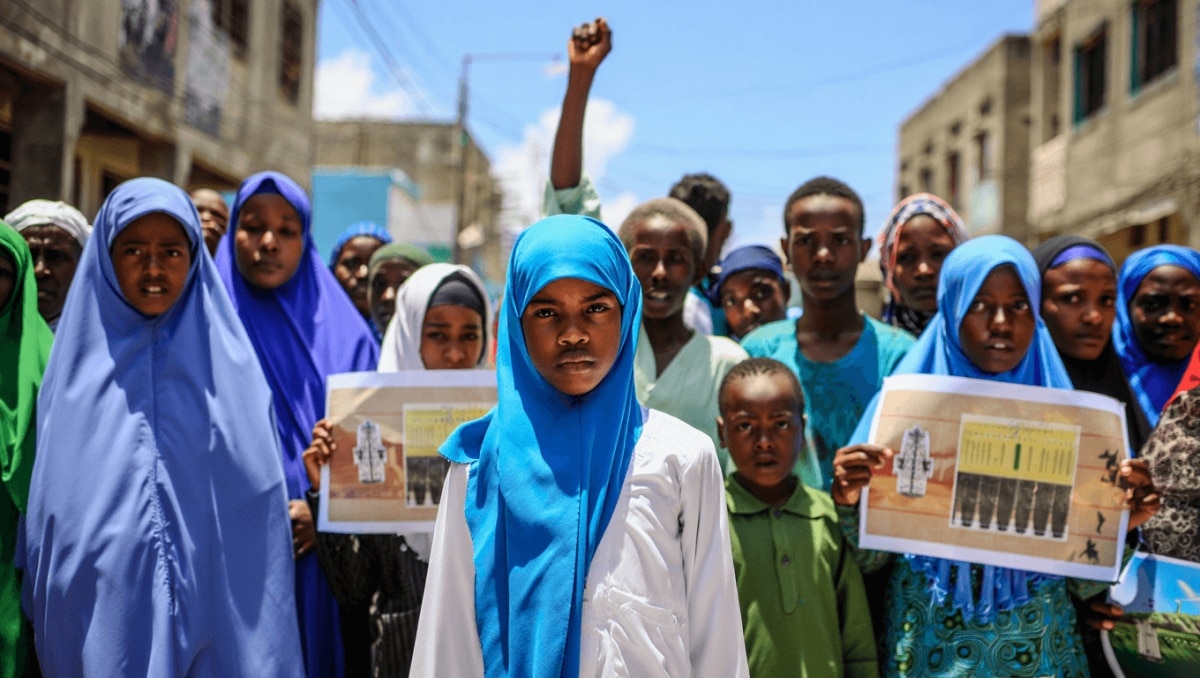
Small island states like Comoros are feeling the heat from a distant Middle East conflict. What began as a military confrontation around Iran has tightened supply lines and pushed up energy costs. Those ripples are now stirring protests, straining aid systems, and threatening food security far from the combat zone.
How the Strait of Hormuz disruption reached Comoros and other nations
The closure of the Strait of Hormuz has a broad economic footprint. Ships that normally move oil, gas, and fertilizer are delayed or rerouted. That raises transport and commodity costs worldwide.
Nas slams music industry over disrespect: teases new music, vows to address it
1992 vocal performances: 3 jaw-dropping moments that still amaze
- Comoros tried to raise gasoline prices by 35 percent amid the shock.
- Street protests, blocked roads, and clashes followed in the capital.
- The government paused the fuel hike after unrest and a fatality.
Even tiny, remote countries are not insulated when global shipping chokepoints disrupt commodity flows.
Fuel spikes triggering unrest across Africa
The Hormuz-induced energy squeeze has already sparked public anger across several African capitals.
- Kenya saw protests in May that left four people dead after fuel prices rose.
- Maputo experienced transport paralysis when bus drivers struck over diesel hikes.
- Many demonstrations targeted domestic leadership decisions, not foreign policy.
In these cases, citizens held local governments accountable for rising living costs rather than protesting the distant war itself.
Fertilizer, transport and the anatomy of a coming food shock
Beyond petrol pumps, the crisis threatens agricultural inputs and logistics.
Nearly one third of global fertilizer trade passes through Hormuz. A choke there raises fertilizer prices and then lifts food costs through multiple channels.
- Higher fertilizer prices reduce crop yields or raise production costs.
- Rising fuel costs increase transport, irrigation, and storage expenses.
- Planting and harvest cycles mean effects can show up months later.
Experts warn the full impact may only appear after the next harvest season. Farmers who faced higher costs at planting risk smaller yields in the following months.
Why rising food costs often lead to political unrest
Decades of research link commodity price spikes to protests, riots, and sometimes armed conflict.
Price rises are not guaranteed to produce unrest. They do when they hit societies already suffering unemployment, corruption, or weak services.
- Food and energy act as multiplier costs across an economy.
- When essentials become unaffordable, social fractures widen.
- Historic examples include 2008 commodity riots and the 2011 uprisings.
In poorer countries, a sudden food-price shock is often the trigger that converts long-term grievances into mass mobilization.
Humanitarian systems under pressure: budgets, aid cuts, and climate
The timing of this disruption coincides with weakened global response capacity.
- The World Food Program’s budget was cut by roughly 40 percent this year.
- Donor reductions mean less cushioning when prices spike.
- An active El Niño could deepen droughts or cause extreme rainfall, compounding food stress.
The UN agency that tracks agriculture warned the Hormuz closure could become a systemic agrifood shock within six to 12 months. If oil stays near $100 a barrel, agencies estimate tens of millions more could slip into acute food insecurity.
Historical parallels and why this could feed long-term conflict
Past commodity shocks preceded waves of political turbulence. Food price spikes were among the triggers of unrest in multiple regions.
Lessons from 2008 and 2011
- 2008: global wheat, rice, corn, and soy prices rose sharply, igniting food riots worldwide.
- 2011: surging food costs contributed to uprisings in parts of the Middle East and North Africa.
Those events show prices rarely act in isolation. They amplify existing economic and political pressures.
Global security costs: why faraway instability can matter to the U.S.
Unresolved hunger and unrest attract outside involvement. Regions that become unstable often draw military and humanitarian responses.
- U.S. operations against extremist groups have expanded in places with chronic food crises.
- Past uprisings helped create conditions that led to later military interventions.
- Thus, economic shocks may translate into strategic and fiscal costs abroad.
Instability in distant states can create long-term security commitments for wealthier nations. That connection turns an economic shock into a geopolitical problem.
Who is most vulnerable and what to watch next
Countries that import large shares of food and fuel are at highest risk. Watch these signals closely:
- Rising fertilizer and transport costs.
- Weak humanitarian funding and program cuts.
- Crop failures or poor harvest reports after planting seasons.
- Worsening drought or flood conditions tied to El Niño.
When these elements overlap, the chance of unrest grows. Monitoring food price indices and harvest forecasts will be key in coming months.










