
Show summary Hide summary
- Deal details and what the companies say
- Why this matters for fast fashion and retail strategy
- Everlane’s background: from transparency pioneer to shaky finances
- Financial backdrop and ownership changes
- Public reaction and brand credibility risks
- Industry perspective: experts weigh the pros and cons
- Competition and the crowded “affordable luxury” space
- Shein’s broader strategy and regulatory headwinds
- What to watch next in the fashion and retail landscape
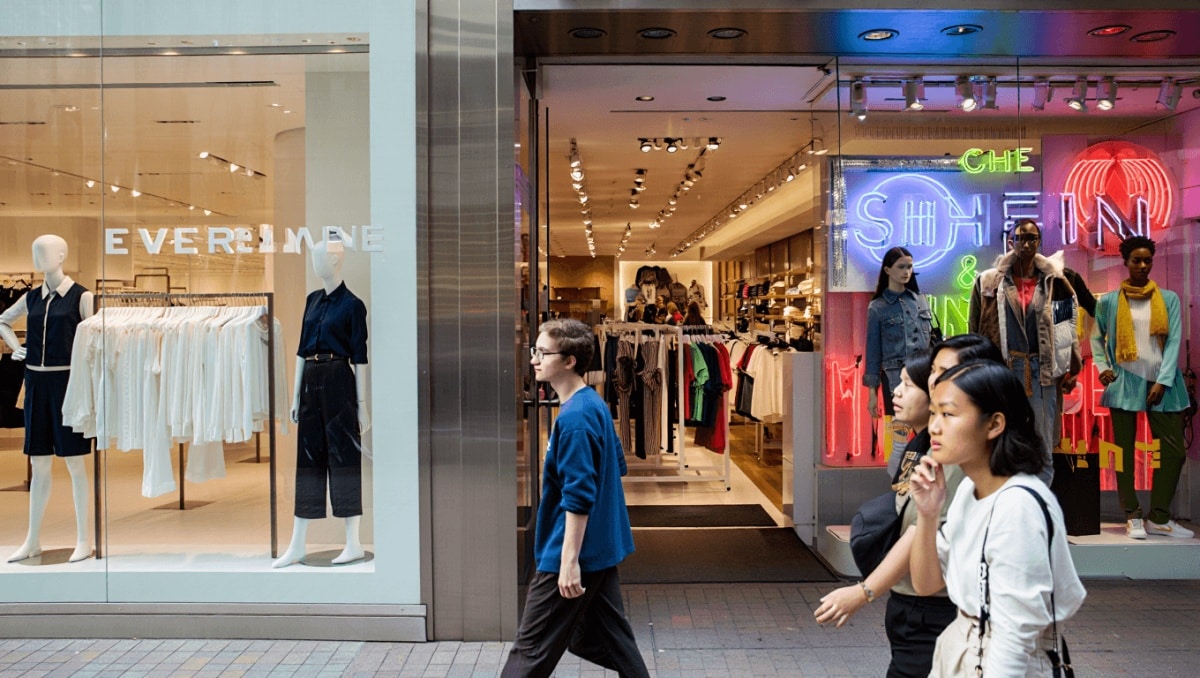
Shein has agreed to buy Everlane, the once-celebrated direct-to-consumer label known for pledges of “ethical factories” and “radical transparency.” The takeover promises to reshape a corner of online retail, pitting an ultrafast-fashion giant against a brand built on minimalist basics and sustainability promises.
Deal details and what the companies say
Neither side disclosed the price. Everlane’s CEO, Alfred Chang, framed the sale as a turning point, saying the brand will preserve its values while gaining new reach and capabilities. Shein, founded in China and famous for bargain-driven TikTok trends, gets a stronger foothold in the U.S. market and access to Everlane’s higher-end online model.
Nas slams music industry over disrespect: teases new music, vows to address it
1992 vocal performances: 3 jaw-dropping moments that still amaze
Everlane will remain an independent brand, the company stated, promising to maintain its sustainability goals and product quality. But official comments left many specifics unclear, including how operations, sourcing, and leadership will change.
Why this matters for fast fashion and retail strategy
The acquisition combines two very different retail philosophies.
- Shein: low-cost, trend-responsive, massive scale.
- Everlane: minimalist designs, higher price points, transparency branding.
For Shein, the purchase offers a route into shoppers who prioritize perceived quality over lowest price. For Everlane, the deal may be a way to stabilize finances and extend global reach.
Everlane’s background: from transparency pioneer to shaky finances
Everlane rose in the 2010s as part of the direct-to-consumer boom. It sold basics and natural fibers with a pitch of ethical production. Celebrities once wore the brand, elevating its status in the “affordable luxury” niche.
Price points reflected that positioning: tailored shorts and linen tops often sold for well above fast-fashion tags. But the brand struggled in recent years. Mounting debt and stiff competition narrowed margins and pressured its majority owner, private equity firm L Catterton, to consider a sale.
Financial backdrop and ownership changes
L Catterton held the controlling stake before the deal. Strapped finances and a crowded market made Everlane a sale candidate. Reports of the transaction circulated after outlets like Puck broke the news; both Shein and L Catterton declined to comment to reporters.
This transfer of ownership reflects broader consolidation trends as private equity exits and global platforms seek premium labels to diversify offerings.
Public reaction and brand credibility risks
The announcement drew strong reactions online. Many longtime Everlane customers felt betrayed, accusing the company of abandoning its founding principles. Critics framed the sale as proof that ethical branding can be fragile under financial strain.
Headline writers noted a cultural shift. Some commentators called the move symbolic of a broader end to millennial-era retail optimism.
Industry perspective: experts weigh the pros and cons
Katie Thomas, who leads the Kearney Consumer Institute, highlighted the tension between value messaging and market crowding. She noted that brands built around price and ethics face a difficult balancing act when competitors undercut costs.
Key questions experts are asking:
- Will Everlane’s loyal customers accept ownership by a fast-fashion leader?
- Can Shein borrow Everlane’s processes without diluting its brand identity?
- Will the deal nudge Shein shoppers to buy pricier, higher-quality goods?
Competition and the crowded “affordable luxury” space
Everlane is no longer alone in pitching higher-quality basics at accessible prices. Retailers such as Aritzia, Reformation, Gap, and Quince have moved into similar territory, often with sharper price points or stronger brand followings.
The crowded market squeezed margins and consumer attention, contributing to Everlane’s vulnerability.
Shein’s broader strategy and regulatory headwinds
Shein has expanded rapidly, dominating social media-driven trends with extremely low price points. The company had eyed public listings in the U.S. and Europe but paused those plans amid legal challenges and regulatory scrutiny, including concerns around labor practices.
Part of Shein’s recent messaging has focused on sustainability commitments to soften criticism. The Everlane purchase raises the question: will Shein adopt Everlane’s internal standards, or will Everlane be pushed toward faster trend cycles?
Possible scenarios after the acquisition
- Everlane maintains its supply chain and pricing while leveraging Shein’s scale for distribution.
- Everlane becomes more trend-driven, accelerating product cycles to match Shein’s playbook.
- Shein uses Everlane as a testing ground to offer premium lines aimed at higher-income shoppers.
Those outcomes will shape not only the two companies but also how consumers view brand authenticity in a market where growth often collides with values.
What to watch next in the fashion and retail landscape
Expect observers to track several items closely:
- Changes to Everlane’s sourcing and transparency reporting.
- Product pricing and any shift in design tempo.
- Customer churn rates and sentiment among Everlane’s core buyers.
- Shein’s public relations strategy around sustainability and labor.
For now, industry watchers say the integration will be a test case for whether a fast-fashion powerhouse can absorb a value-driven brand without erasing its identity. The coming months should reveal whether the partnership yields growth, tension, or both.










