
Show summary Hide summary
- How the 2012 release launched Joey Bada$$’s career
- What the music sounded like—and why it mattered
- Collaborators and standout moments on the tape
- Critical response and industry ripple effects
- How the mixtape influenced Joey’s next steps
- Why the 2012 mixtape still matters today
- Where to hear the mixtape and explore its legacy
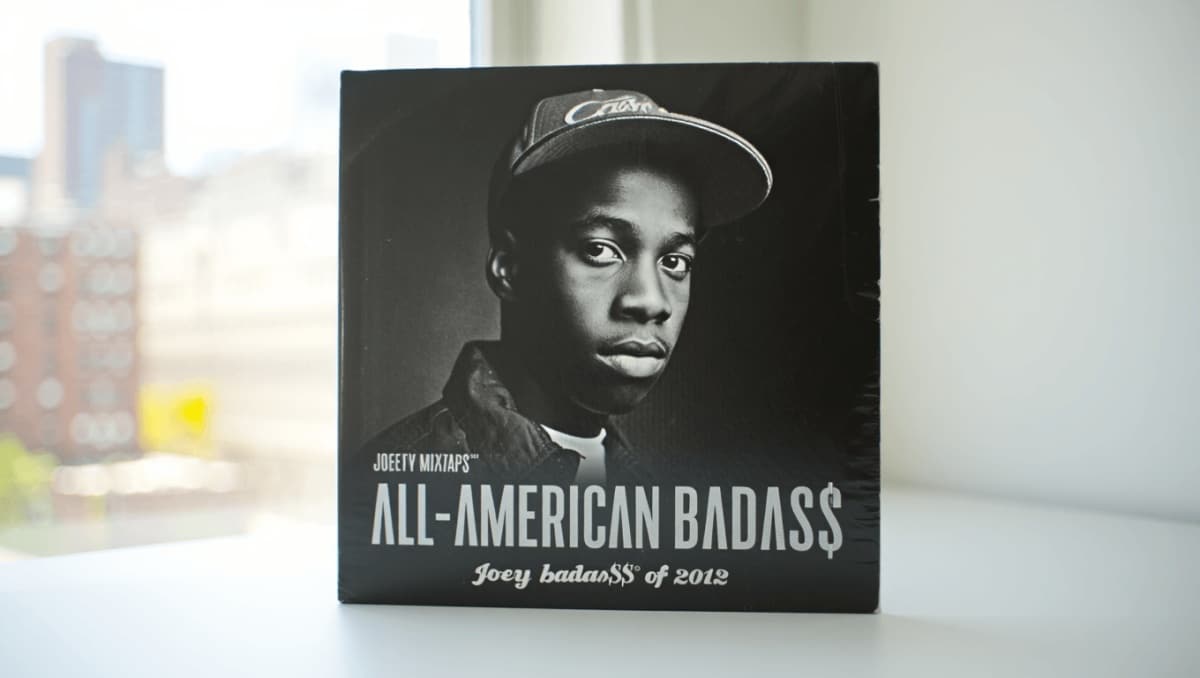
When Joey Bada$$ dropped his debut mixtape in 2012, few could have predicted how quickly the underground buzz would swell into a lasting career. The tape arrived as a confident time capsule, tapping into classic boom-bap energy while announcing a new voice from Brooklyn. That release reshaped his path and reignited a wider appetite for 1990s-style hip-hop among a new generation.
How the 2012 release launched Joey Bada$$’s career
In mid-2012, the young rapper introduced himself with a mixtape that felt both familiar and fresh. It circulated online and spread fast through blogs, social platforms, and word of mouth. Within months, industry attention and fan devotion followed.
Nas slams music industry over disrespect: teases new music, vows to address it
1992 vocal performances: 3 jaw-dropping moments that still amaze
The mixtape served as Joey’s breakout moment, turning local acclaim into national conversation. It positioned him as a leader of the Pro Era collective and a central figure in a growing revival of classic hip-hop sounds.
What the music sounded like—and why it mattered
The production favored crisp drums, dusty samples, and spare arrangements. The beats recalled 1990s hip-hop without sounding derivative. Joey’s flow was mature, literate, and steeped in storytelling.
- Lyricism: sharp observations and confident wordplay.
- Delivery: a voice both nostalgic and urgent.
- Production aesthetic: boom-bap textures that appealed to purists.
The result was a record that bridged generations. Fans who loved classic rap found familiar elements. New listeners discovered a gateway into deeper catalogues and underground scenes.
Collaborators and standout moments on the tape
The release highlighted the chemistry within Joey’s circle. Members of his collective contributed verses and energy, underscoring a communal approach to rising together.
- Guest artists from his crew bolstered the mixtape’s unity.
- Memorable verses and hooks created viral moments online.
- Tracks that resonated on blogs became staples of his early shows.
Those early tracks became live favorites and helped Joey book festival appearances and tour dates shortly after the mixtape’s arrival.
Critical response and industry ripple effects
Music critics praised the mixtape for its concise themes and cohesive sound. Coverage in major blogs and music outlets amplified Joey’s profile. The tape also prompted conversations about a wider movement reclaiming classic hip-hop aesthetics.
- Critical acclaim translated into playlist features and editorial picks.
- Industry insiders noted Joey’s authenticity and longevity potential.
- Young rappers and producers cited the tape as inspiration.
How the mixtape influenced Joey’s next steps
After the release, Joey moved quickly from mixtape buzz to professional milestones. He signed deals, released EPs and albums, and expanded his live presence. The tape’s momentum shaped his artistic direction for years.
The early success created opportunities for collaborations, headline shows, and a sustained fanbase that followed his evolution.
Why the 2012 mixtape still matters today
Years later, the mixtape is still cited in conversations about modern hip-hop’s debt to the 1990s. For many listeners, it marked the moment a confident young voice rekindled interest in lyric-driven rap.
- It introduced Joey Bada$$ to an international audience.
- It proved that independent releases can shift careers.
- It helped define a sound that influenced peers and successors.
Where to hear the mixtape and explore its legacy
The tapes and singles that built Joey’s early reputation are available across streaming platforms and archives. Listening to the record today reveals the roots of his later work and the raw energy that captivated listeners in 2012.
- Search major streaming services for official uploads.
- Look for archival posts and music blogs for context.
- Explore live footage to hear how those songs translated to the stage.










