
Show summary Hide summary
- Why milk was first heat-treated: a brief public health story
- What raw milk advocates claim and what the science says
- How the law treats raw milk across the country
- Legislative momentum and where bills are moving
- Politics, food freedom, and influential figures
- Real-world consequences: outbreaks, illnesses, and public health alarms
- Industry messaging, farm trust, and the limits of that argument
- How social media and wellness trends shape demand
- Practical options consumers are using now
- Where public health agencies stand and what they recommend
- Questions shaping the future debate
Debate over raw milk has flared again across the United States, mixing science, politics and social media hype. Consumers, lawmakers and public health officials are at odds over whether unheated milk should be more accessible. The clash touches on long-held beliefs about natural foods, recent policy pushes, and real risks tied to foodborne disease.
Why milk was first heat-treated: a brief public health story
In the early 20th century, health authorities began heating milk to stop deadly infections. Pasteurization — heating milk to about 161°F for 15 seconds and cooling it quickly — became standard. It dramatically reduced transmission of diseases once linked to raw milk.
Nas slams music industry over disrespect: teases new music, vows to address it
1992 vocal performances: 3 jaw-dropping moments that still amaze
Tracking the impact, researchers tied reduced infant mortality and fewer outbreaks to the stepwise spread of pasteurization laws. Over decades, agencies like the FDA and CDC built a large evidence base showing pasteurization cuts pathogens that can cause severe illness.
What raw milk advocates claim and what the science says
Supporters of raw milk promote it as more nutritious and more “natural.” They assert it contains beneficial bacteria and enzymes lost in heating. Some sellers say it can ease allergies, asthma, and other chronic conditions.
Public health bodies disagree. Multiple peer-reviewed studies and official statements indicate those health benefits lack reliable proof. The consensus view is that pasteurization removes harmful microbes without substantially diminishing key nutrients.
Pathogens commonly associated with raw milk:
- Listeria monocytogenes
- Escherichia coli (E. coli)
- Salmonella species
- Campylobacter jejuni
- Mycobacterium bovis (tuberculosis in cattle)
How the law treats raw milk across the country
Federal policy bans interstate raw milk sales. The FDA has blocked those shipments since 1987. But state rules vary widely.
- Some states permit retail sales of raw milk.
- Others allow access through herd shares or direct farm sales.
- A few states restrict raw milk to pet food or ban it outright.
Roughly 43 states allow raw milk in some form. But availability and the legal methods to obtain it differ from one jurisdiction to another.
Legislative momentum and where bills are moving
At the state level, more than 40 bills in about 18 states aim to widen raw dairy access. Proposals include legalizing sales, easing distribution rules, and expanding herd-share models.
At the federal level, at least one House bill has been introduced to challenge the interstate ban. It remains in committee. Industry advocates argue for freedom of choice and reduced regulation.
Politics, food freedom, and influential figures
Raw milk support cuts across the political spectrum but has found particular traction among states pushing “health freedom” and reduced regulation. Libertarian and conservative lawmakers often frame the issue as individual rights.
Public personalities and wellness influencers amplify demand. Their posts and endorsements can turn local trends into national conversations.
Notable political attention:
- Robert F. Kennedy Jr. publicly praised raw milk and showcased it at a White House event.
- Despite earlier promises to relax FDA restrictions, the HHS secretary has not advanced federal action to legalize interstate sales.
- The current administration has emphasized whole milk in school nutrition messaging, but that is separate from raw milk policy.
Real-world consequences: outbreaks, illnesses, and public health alarms
Health departments continue to document outbreaks linked to unpasteurized dairy. Cases can range from isolated infections to deadly events.
Infants, the elderly and people with weakened immune systems face the greatest danger. Some infections can cause long-term complications. For example, certain E. coli strains can lead to hemolytic uremic syndrome in children.
Recent incidents include a tragic listeria-related infant death that investigators suspect was tied to maternal consumption of raw milk.
Industry messaging, farm trust, and the limits of that argument
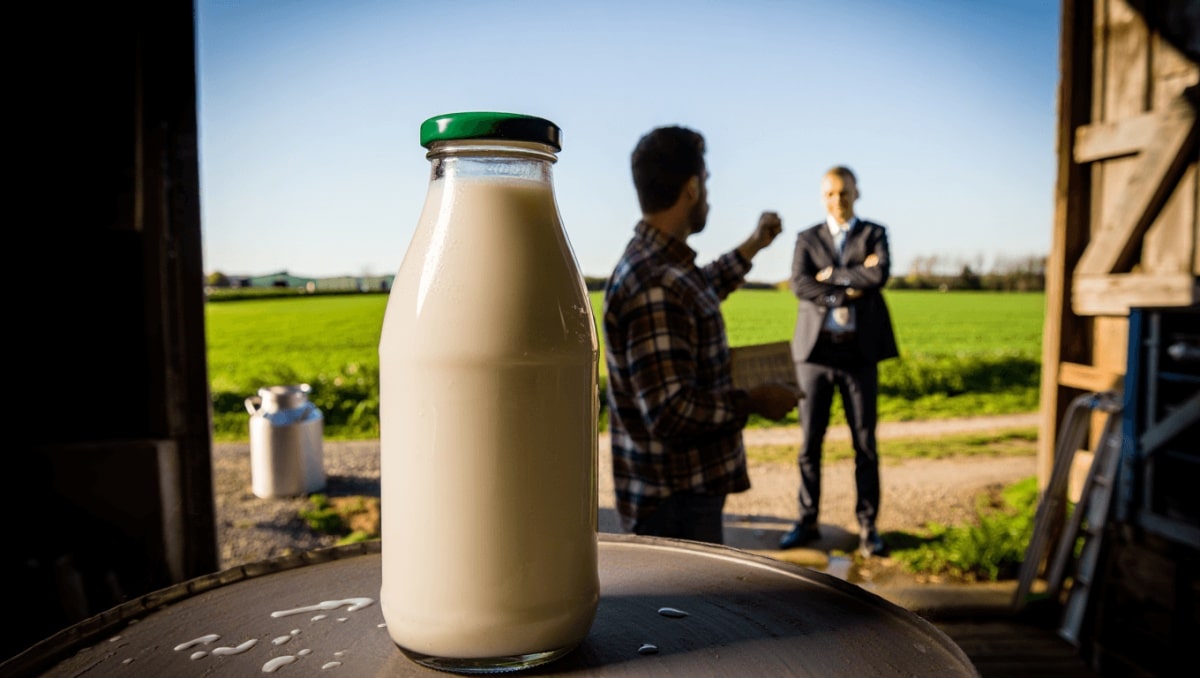
Producers and advocates often say raw milk is safe if it comes from trusted farms. That pitch emphasizes small-scale farming, testing, and transparency.
Scientists and epidemiologists counter that no level of familiarity eliminates the biological risk. Bacteria and viruses can be present even on well-managed dairies.
Key point: Trusting a farmer does not replace pasteurization as a method to prevent pathogens.
How social media and wellness trends shape demand
Influencers have reframed raw milk as a wellness tonic. Short videos and testimonials reach millions.
That marketing targets parents and health-conscious buyers. Claims often simplify complex scientific topics and omit safety caveats.
Public health officials worry that viral posts can encourage risky behavior and normalize a product that has well-documented hazards.
Practical options consumers are using now
People who want access to unpasteurized dairy use several routes, depending on state law.
- Buying at stores where retail sales are legal.
- Joining herd-share programs to obtain milk directly from farms.
- Purchasing raw dairy labeled as pet food in states that restrict human sales.
Each option carries different legal and safety implications.
Where public health agencies stand and what they recommend
The FDA and CDC emphasize the risks of raw milk. Their public materials outline why pasteurization remains the recommended safeguard.
Officials advise vulnerable groups—infants, pregnant people, older adults and immunocompromised individuals—to avoid unpasteurized dairy. They urge consumers to rely on peer-reviewed science, not anecdotes.
Questions shaping the future debate
Will more states liberalize raw milk sales? Will federal policy change? How will public education campaigns respond to influencer messaging?
The answers will depend on lawmaking, litigation, and how public health leaders communicate risk. Meanwhile, outbreaks and advocacy will keep this issue in the headlines.










