
Show summary Hide summary
- How live shows refine Sedaris’ writing process
- Daily rituals that keep him sharp
- The new collection: roles he explores in The Land and Its People
- On artificial intelligence and creative prompts
- Love, privacy and an unconventional marriage
- Family contracts, sibling bonds and early anxieties
- What makes someone a compelling character
- Why he keeps returning to the road
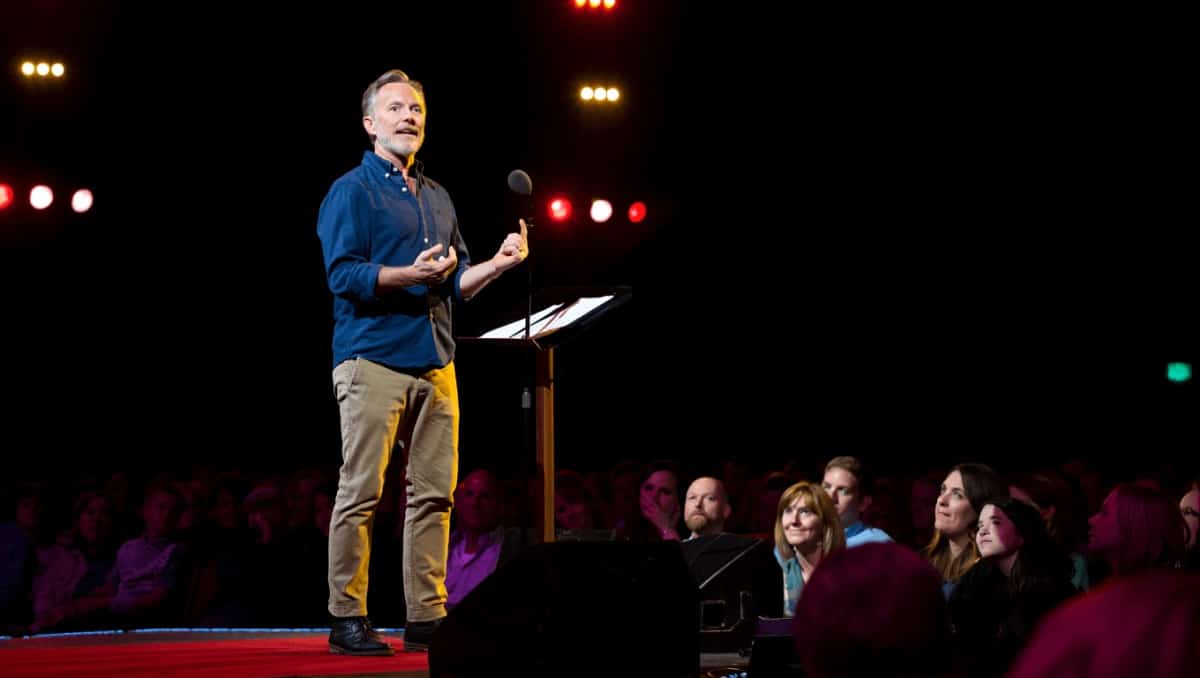
David Sedaris still thrives on the stage. The celebrated humorist treats live audiences as part of his creative process. Their laughs, groans and coughs shape his writing as much as private drafts. Between rigorous tours and new essays, Sedaris balances discipline, curiosity and a stubborn private life.
How live shows refine Sedaris’ writing process
Sedaris views public readings as more than promotion. For him, performances are a laboratory.
Nas slams music industry over disrespect: teases new music, vows to address it
1992 vocal performances: 3 jaw-dropping moments that still amaze
He listens closely to the room. A laugh can confirm a line. A cough can tell him something needs cutting. That real-time feedback changes phrasing and timing.
Audience reactions act like an early editor, he says, helping him find what lands and what drags.
What Sedaris gains from touring
- Immediate proof of what works on stage.
- Opportunities to test new material.
- A connection with readers that informs later revisions.
Daily rituals that keep him sharp
Outside the spotlight, Sedaris follows strict habits.
He walks long distances every day to stay focused. He studies languages on Duolingo, rotating among German, Japanese, Spanish and French. And he writes on a steady schedule.
Improvement is intentional for him. He believes growth requires work, not luck. That belief is a daily motivator.
The new collection: roles he explores in The Land and Its People
In his latest essay book, Sedaris appears in multiple guises.
- Brother—intensely tied to family dynamics.
- Traveler—observing quirks on the road.
- Friend and caretaker—navigating loss and responsibility.
The pieces move between comic shock and quieter reflections. The book broadens his familiar voice to include grief and devotion.
On artificial intelligence and creative prompts
Sedaris has experimented with AI prompts, usually out of curiosity.
He once received a machine-crafted piece meant to mimic his tone. He rewrote it and discovered a surprisingly successful joke.
He sees AI as a potential idea generator, but not a true substitute for a human writer. Right now, he feels AI lacks the subtle, risky choices that make comedy sharp.
He also says he prefers knowing a real person wrote something. That human link matters when readers want to celebrate an author’s original voice.
Love, privacy and an unconventional marriage
Sedaris has long resisted labels. For years, he balked at the trappings of marriage, even as public perception suggested otherwise.
He and his longtime partner quietly tied the knot before the pandemic. They kept the ceremony private, arranging it with a friend rather than staging a public event.
He values privacy and dislikes public declarations like possessive phrases that feel awkward to him.
Family contracts, sibling bonds and early anxieties
Growing up in a large family shaped many of his choices.
As a child, he drafted playful contracts with two sisters, asking them to promise not to marry. The pact reflected a childhood fear of losing close ties.
- He wanted companionship, not distance.
- Those early pacts were part serious, part humorous reaction to difference.
Life, of course, moved on. But those anecdotes still color his essays.
What makes someone a compelling character
Sedaris separates who is charming in conversation from who makes great material on the page.
People who are honest and modest can be wonderful friends, yet dull as literary subjects. Conversely, bold, unapologetic personalities often produce rich, comic moments.
Confidence, even when misplaced, can make a person unforgettable on the page. That paradox fuels much of his character-driven humor.
Why he keeps returning to the road
Tours are both income and craft for him. He says the work is about earning laughs, not just the paycheck.
He imagines no immediate end to performing, as long as audiences show up. Even the idea of declining crowds doesn’t deter him. If necessary, he jokes, he might have to pay people to attend near the end of his career.
For Sedaris, performing remains essential. The stage keeps his writing alive and lets him test new material in real time.










