
Show summary Hide summary
- The new setup: fashion, media layoffs and a reluctant reunion
- Miranda’s surprising arc: from ice queen to sympathetic icon
- Where the movie succeeds: performances, chemistry and visual pleasure
- Plot mechanics: corporate playbooks and the rescue narrative
- Big ideas: privilege, workplace culture and the limits of forgiveness
- Subplots, pacing and what doesn’t land
- Why the sequel feels of its moment — and occasionally out of touch
Years after the original captured the absurd glamour and cold command of a fashion magazine, the sequel returns with a different pulse. This time the story folds in the collapse and reinvention of journalism, a reunion of familiar faces, and a surprising effort to make Miranda Priestly more sympathetic. The result is part nostalgia, part glossy rescue mission — and a movie that raises as many questions as it answers.
The new setup: fashion, media layoffs and a reluctant reunion
The sequel opens with Andy in a very different life. She has left the world of high fashion and transformed into a respected investigative reporter. A sudden, modern-day corporate layoff forces her back toward the orbit of Runway. At the same time, the magazine’s parent company faces a public relations mess and mounting financial pressure.
Nas slams music industry over disrespect: teases new music, vows to address it
1992 vocal performances: 3 jaw-dropping moments that still amaze
Executives hope Andy’s credibility will lend authority to Runway’s makeover. She accepts a leadership role in features, not because she misses the glamour, but because she needs steady work. What follows is an attempt to realign a storied title for the streaming, digital age while reuniting Andy with her complex past.
Miranda’s surprising arc: from ice queen to sympathetic icon
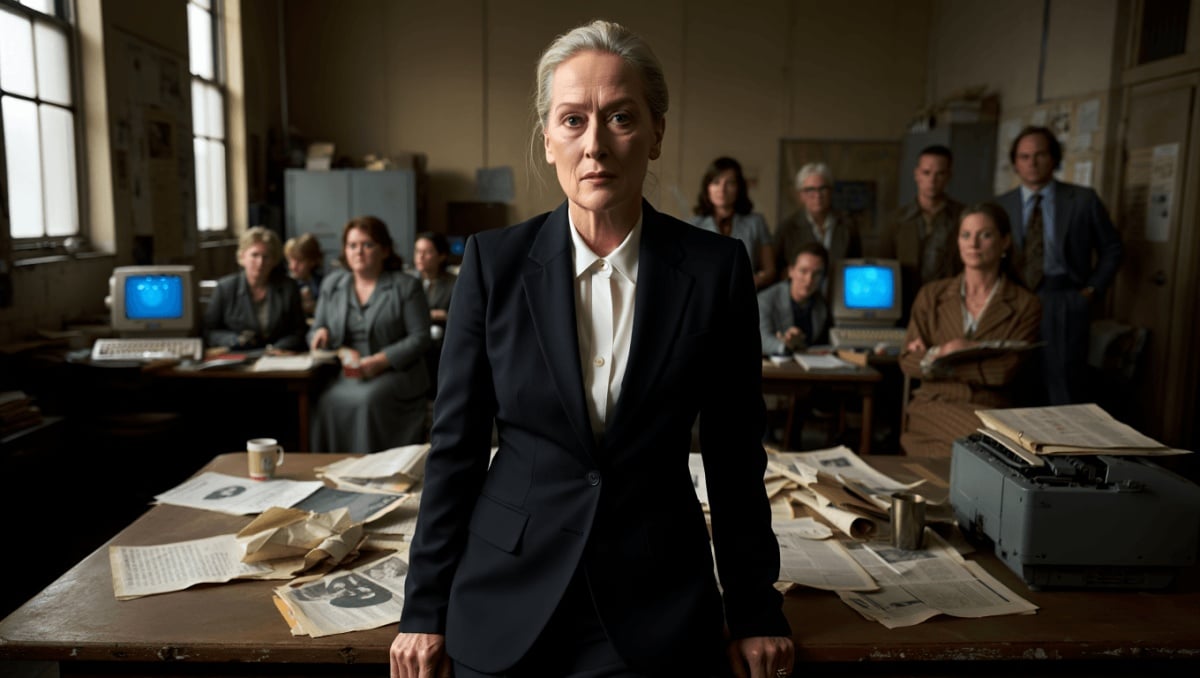
One of the most striking choices is the film’s embrace of Miranda’s softer side. The Miranda many viewers feared in the original is presented here with more interior life. She confronts what losing a platform might mean for her identity and legacy.
- Emotional vulnerability: Scenes show Miranda grappling with the devaluation of work she once treasured.
- Wealth vs. loss: The film wrestles with how someone enormously privileged can still experience real grief.
- Redemption arc: The story leans into reconciliation between Miranda and those she led.
Because Meryl Streep portrays Miranda, the film can ask viewers to feel for a character who historically inspired dread. Her wealth and influence remain obvious, but the screenplay pushes the idea that status doesn’t fully shield someone from anxiety about purpose.
Where the movie succeeds: performances, chemistry and visual pleasure
Much of the film’s charm comes from the actors who return. Anne Hathaway and Meryl Streep resume a complicated chemistry that carries dramatic and comic beats. Stanley Tucci’s Nigel remains a warm connective tissue, and Emily Blunt offers a pragmatic voice on the business side of fashion.
Notable performances and cameos
- Anne Hathaway: Anchors Andy’s tension between journalistic ideals and financial necessity.
- Meryl Streep: Gives Miranda credible interiority, softening her edges without fully erasing past harm.
- Stanley Tucci and Emily Blunt: Provide emotional and industry context; both return with defined arcs.
- Supporting roles include a peculiar billionaire and the film’s new assistants, who add flavor but limited development.
Production design and wardrobe deliver the expected visual thrill. The film luxuriates in costumes, locations, and the aesthetic cues that made the first movie so watchable. These elements help the sequel land as a feel-good spectacle in parts.
Plot mechanics: corporate playbooks and the rescue narrative
The corporate side of the story centers on leadership changes and the temptation to follow the same destructive cost-cutting strategies the industry has used for years. A younger executive pushes layoffs and scaling back.
When Andy is hired to restore credibility, her role quickly becomes a battleground between legacy values and modern profit motives. The film pits journalistic integrity against shareholder logic.
- PR crisis triggers leadership shake-up.
- Andy must navigate newsroom culture and fashion world expectations.
- The plan to save Runway involves creative, relationship-driven solutions rather than simple trims to payroll.
Big ideas: privilege, workplace culture and the limits of forgiveness
The sequel raises questions about who speaks for labor and who benefits from industry change. By centering Miranda’s anxiety, the film opens space for empathy but also invites critique.
There is tension between the film’s sympathy for Miranda and the real harms she caused. The story nods at workplace trauma, yet rarely follows through with accountability. That choice makes the film’s moral center uneven.
How privilege complicates the rescue story
- Miranda’s status shields her from practical consequences most displaced workers face.
- The film treats wealthy benefactors as potential saviors for newsroom woes.
- This framing can feel uncomfortable, because it underplays structural problems like loss of benefits and financial insecurity.
Subplots, pacing and what doesn’t land
The movie juggles several side stories. A romantic thread involving Andy and a contractor feels rushed. New assistants add color but little agency. A few supporting arcs are abbreviated, leaving some characters underused.
Some scenes play like commercials for luxury lifestyles. Others aim for satire but slide into sentimentality. The film’s tonal shifts make it feel partly nostalgic and partly apologetic for a world that has changed dramatically.
Why the sequel feels of its moment — and occasionally out of touch
Setting the story in 2026 forces a confrontation with the modern media landscape. The movie attempts to be timely by foregrounding layoffs and digital-first strategy. Yet its solution often points back to personal influence and old-money patronage.
That approach will satisfy viewers who want a comforting reunion. But it will also frustrate those who expect a deeper reckoning with the systemic forces that have hollowed out journalism and changed luxury media forever.
The film invites you to enjoy the spectacle and the reunions. It also asks whether nostalgic, feel-good stories can really address tough social realities without reinforcing the power structures that created them.










