
Show summary Hide summary
- What Fenian means for Kneecap and Irish hip-hop
- Standout tracks that push the album’s themes
- How politics shape Kneecap’s music and reception
- Legal drama and creative consequences
- Collaborating with Palestinian artists and building bridges
- Musical roots and local inspirations
- How personal loss shaped “Irish Goodbye”
- Public backlash, bans, and the group’s response
- Fan reaction and future touring plans
- Conversation with a U.S. public radio host
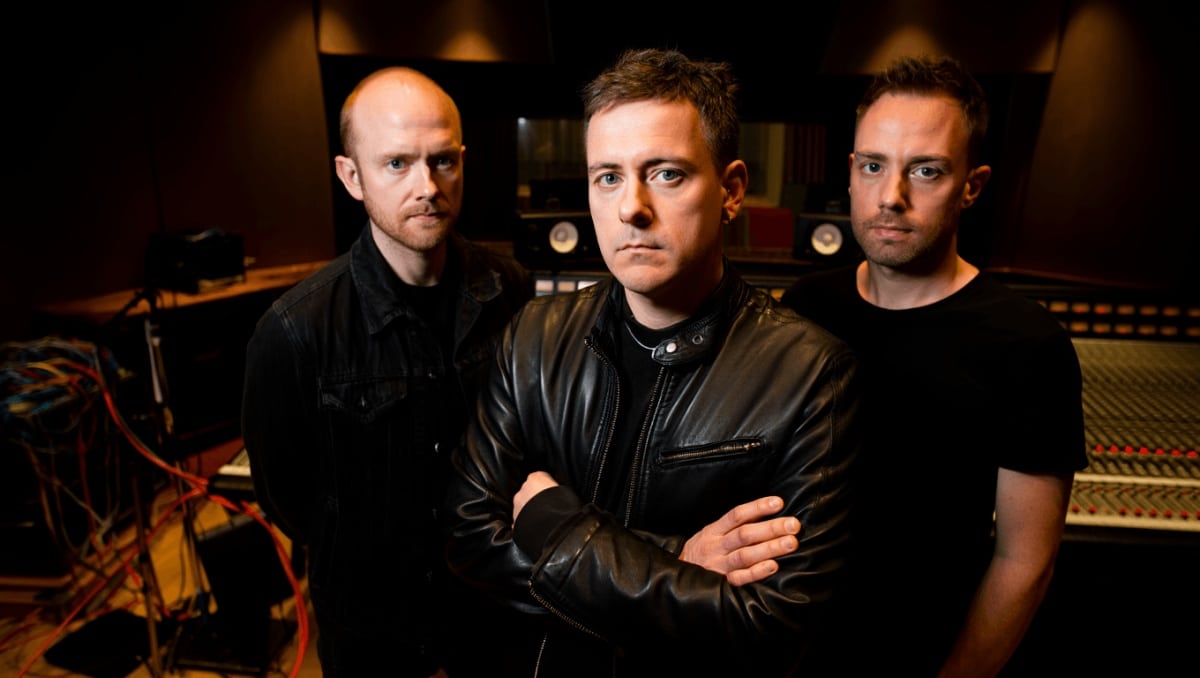
Kneecap’s new record arrives as both a creative statement and a challenge. The Belfast trio has long mixed sharp humor with political provocation. On Fenian, they aim to be heard as serious musicians while keeping the confrontational edge that put them on the map.
What Fenian means for Kneecap and Irish hip-hop
The title of the album reclaims a loaded term from Irish history. Once linked to ancient warriors and later to 19th-century rebels, the word “Fenian” also became an insult. Kneecap flip that script.
Nas slams music industry over disrespect: teases new music, vows to address it
1992 vocal performances: 3 jaw-dropping moments that still amaze
The band sees the name as an assertion of identity. They rap mostly in Irish, with English woven through. That language choice is part of their mission.
- Language and identity: The group wants Irish-speaking youth in Belfast to be visible in modern music.
- Reclaiming history: Using Fenian ties their record to a long resistance tradition.
- Genre shift: The band hopes the album shows their depth beyond novelty appeal.
Standout tracks that push the album’s themes
The record mixes personal grief, legal drama, and international solidarity. Several tracks anchor the album’s emotional and political range.
- “Palestine” — A collaboration with Palestinian rapper Fawzi. The song frames Irish solidarity with Palestinians during the Gaza war.
- “Irish Goodbye” — A tender tribute to a band member’s mother. The song focuses on the ordinary moments people miss after loss.
- “Carnival” — A raw recounting of Mo Chara’s legal ordeal, featuring field recordings of supporters chanting “Free Mo Chara” outside court.
How politics shape Kneecap’s music and reception
Politics are central to the group’s public image. Their pro-Palestinian stance is widely known. That position has sparked praise and punitive responses.
Several countries have barred the group from performing. The band argues these reactions show a tendency to target artists instead of the larger forces behind conflict.
Móglaí Bap, one member, says the group connects Ireland’s colonial past to present conflicts. That historical lens drives their solidarity with other movements.
Legal drama and creative consequences
While making the album, Kneecap faced a high-profile legal episode. Mo Chara was arrested in London over an incident involving a flag. He said he picked up a flag thrown onstage and did not know its meaning.
The charge was later dismissed. Still, the case forced the band to split studio time and court appearances. They turned the disruption into material, sampling courtroom sound and public reactions.
The band calls the experience both an obstacle and an influence.
Collaborating with Palestinian artists and building bridges
Including a Palestinian voice on “Palestine” was deliberate. The group has helped fundraising efforts in West Bank refugee camps and stayed in contact with activists.
They reached out to Fawzi online and invited him into the project to let Palestinian perspectives sit beside Irish ones. For Kneecap, the pairing highlights shared histories of displacement and resistance.
Musical roots and local inspirations
Kneecap’s sound mixes hip-hop with Irish folk influences and rebel songs. The members point to a local hip-hop duo who proved Irish accents work in rap. That model showed them how to root music in local life.
They also cite the broader mix of styles heard in Ireland. The band blends storytelling, humor, and political folk traditions into a contemporary rap form.
- Local hip-hop pioneers who embraced Irish dialects
- Rebel folk music that traces resistance themes
- International hip-hop storytelling, adapted to Belfast life
How personal loss shaped “Irish Goodbye”
The song about a bandmate’s mother came from watching a documentary clip of childhood home videos. Seeing those moments stirred reflection.
Rather than dramatize extremes, the track dwells on small routines and quiet intimacy. The band says missing the mundane is often the sharpest form of grief.
That intimacy contrasts with their louder political tracks.
Public backlash, bans, and the group’s response
Officials in some countries criticized Kneecap for allegedly promoting violence. A Canadian parliamentary figure, for example, argued their rhetoric mattered. The band rejects those claims.
Móglaí Bap and Mo Chara say governments and media prefer to vilify artists instead of examining arms industries or profit motives that sustain wars. They also dispute reports that they lost visas.
According to the group, promoter changes and a decision not to apply for visas caused cancelled tours. They insist no member has a criminal conviction.
Fan reaction and future touring plans
Kneecap retains a devoted audience on both sides of the Atlantic. They were forced to postpone a North American leg last year. The band expects to return to the U.S.
They frame touring questions around free expression. The members argue that politicians should not decide what music listeners can access.
Conversation with a U.S. public radio host
The band discussed the album and its context with a national programs host. The chat covered influences, incidents during recording, and the reasons they speak out geopolitically.
The interview was edited for broadcast. The group used the platform to explain creative choices and to push back on simplified portrayals in mainstream outlets.
What drives their stance
Members note a deep connection to Ireland’s history of colonization. They say that background fuels empathy for other oppressed peoples. That empathy informs lyrics and activism alike.
They view music as a platform — not just entertainment.












