
Show summary Hide summary
- From runway signals to store shelves: who really drives trends
- Big luxury groups and the search for growth
- When machines predict the next buy: AI in fashion
- The internet shortcut: how trends accelerate
- When high fashion and mass retail join forces
- What remains constant: social status and the fashion chase
- Trickle-up moments and the power of consumers
Spring racks are filling up with fresh prints, utility jackets and bright new arrivals. Whether you scroll or stroll, the season’s fashions are impossible to miss. But what decides which styles make that journey from concept to cash register?
From runway signals to store shelves: who really drives trends
High fashion remains the traditional starting point for many trends. Designers show new ideas on runways. Those images inform editors, stylists and buyers.
Nas slams music industry over disrespect: teases new music, vows to address it
1992 vocal performances: 3 jaw-dropping moments that still amaze
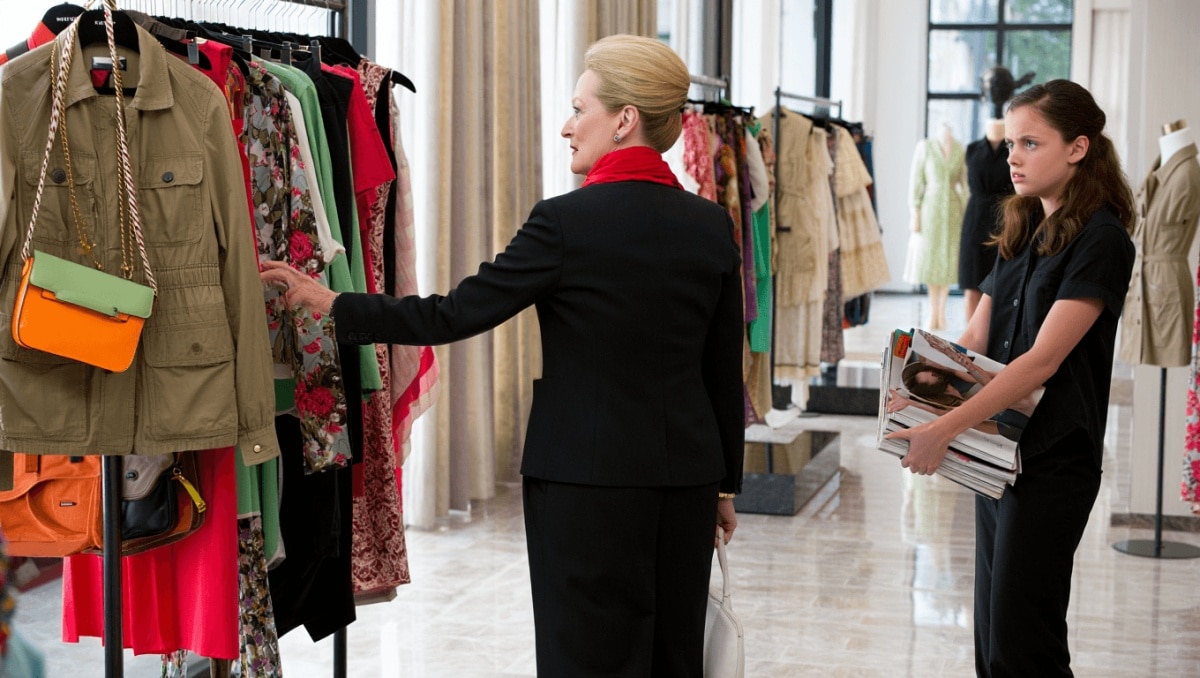
The cultural snapshot captured in a single film scene helped summarize that process years ago. A now-famous moment showed how a small detail from the runway can ripple down to mainstream clothes. That scene stayed in the public imagination.
Yet the path from couture to closet is not always linear anymore. Multiple forces now push styles outward. They include luxury houses, mass retailers and digital platforms.
Big luxury groups and the search for growth
Major conglomerates such as LVMH and Kering control many of the top names in fashion. That concentration affects creative choices.
Lorynn Divita, a fashion professor, notes that the pressure to increase sales season after season can lead brands to prioritize safer bets over bold innovation.
In short, business targets can narrow creative range. When profit becomes the dominant goal, runway experiments can feel risk-averse.
When machines predict the next buy: AI in fashion
Retailers are also adopting artificial intelligence to forecast demand and monitor pricing. AI excels at analyzing inventory and sales data.
Michael Palladino, who teaches fashion business, says AI helps reduce guesswork in logistics and pricing. But it is still limited when it comes to original aesthetic vision.
Human creativity, nuance and cultural sensitivity still drive genuinely new designs.
The internet shortcut: how trends accelerate
The web changed everything. Magazine websites, social platforms and influencers made runway imagery instantly shareable.
That real-time visibility lets looks travel from a Paris catwalk to a shopper’s feed in hours.
Supply chains got faster too. Some brands now control manufacturing and distribution, letting them react within days.
Fast and ultra-fast fashion: who copies whom?
Retailers such as Zara and H&M have long been known as fast fashion. Newer players like Shein and Temu push even faster cycles.
These companies aim to put runway-inspired styles within reach of budget-conscious shoppers.
Copying is not new, but the speed has changed. In some cases, a replica reaches market before the original piece becomes widely available.
Why legal protections are limited
U.S. copyright laws offer little defense for most clothing designs. Small tweaks can allow a company to claim inspiration rather than imitation.
Designers often turn to recognizable symbols as a workaround. Logos, monograms and brand insignia are easier to protect.
That’s why brand badges often matter more than the garment shape.
When high fashion and mass retail join forces
Collaborations blur the line between luxury and mainstream. Target’s design partnerships in the late 1990s showed how such tie-ups could work.
More recent examples include luxury creatives lending their names or designs to bigger chains. Zara’s announcement of a project with John Galliano is part of this trend.
These alliances are strategic. They bring benefits to both sides.
- Luxury houses gain new revenue streams and broader awareness.
- Mass retailers receive a halo effect and fresh design credibility.
- Consumers get limited-access designer pieces at lower price points.
What remains constant: social status and the fashion chase
Cultural signals tied to class still influence style cycles. When a look becomes mainstream, elite shoppers may shift to something new.
Academics call this pattern “chase and flight.” It keeps fashion moving and rarefies prestige.
Trickle-up moments and the power of consumers
Not all influence flows from top to bottom. Streetwear and subcultures have historically pushed ideas upward.
In recent years, designers with bold personalities and distinct points of view have helped luxury reclaim trend authority.
Brands with clear, independent voices can shape what feels contemporary.
Still, the ultimate arbiter is the customer. Comfort, cost and cultural values determine what consumers buy.
At the end of the day, shoppers decide which trends survive.











