
Show summary Hide summary
- From Artemisa to international stages: a brief life in sound
- How a pandemic pause sparked a creative surge
- Family producers: the unexpected team behind SANGÚ
- The sound of SANGÚ: old languages, new inflections
- What SANGÚ means and how the name was born
- A father and son speak a different kind of music
- Faith, ritual and the song “Babalu Ayé”
- The live impulse: playing to move people
- Looking back toward Cuba and forward with hope
- Release details and where SANGÚ fits in his catalog
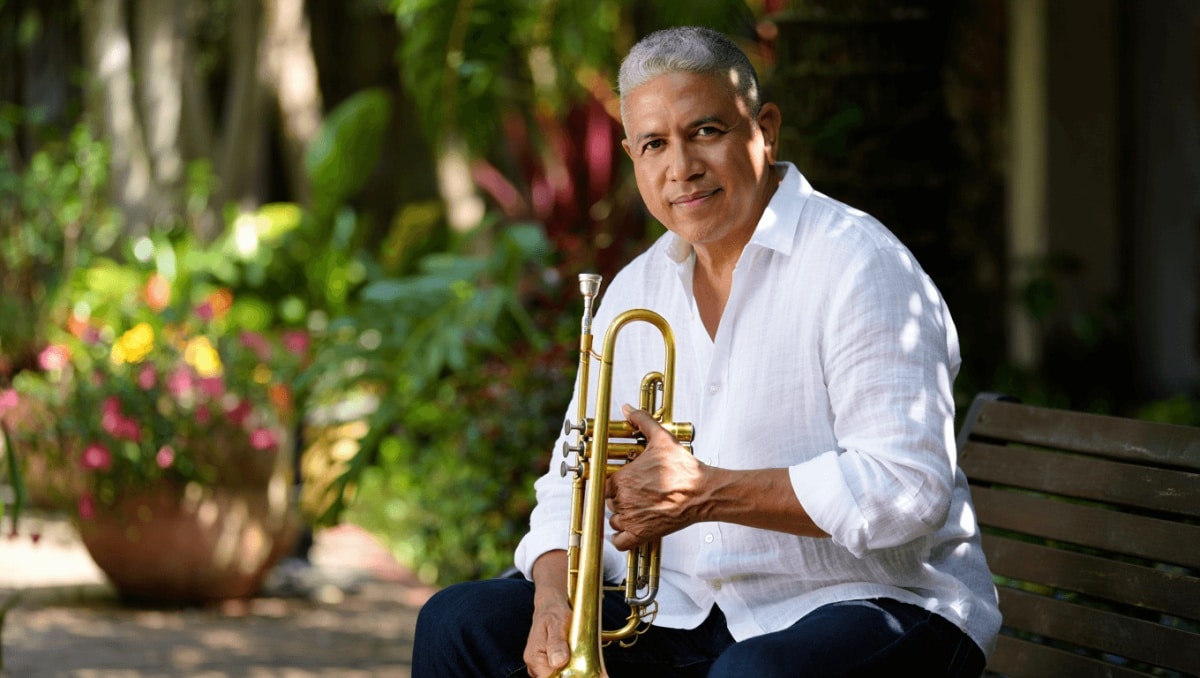
Arturo Sandoval’s new record arrives like a private letter sent from a lifetime on the road. At 76, the Cuban-born trumpeter revisits his roots and reshapes them with fresh production from his family. The result is intimate, rhythmic and clearly aimed at passing his musical flame forward.
From Artemisa to international stages: a brief life in sound
Sandoval’s musical path started as a teenager in Artemisa, Cuba. Early promise led to mentorship under Dizzy Gillespie. Along the way he collected honors: multiple Grammys and a Presidential Medal of Freedom.
Nas slams music industry over disrespect: teases new music, vows to address it
1992 vocal performances: 3 jaw-dropping moments that still amaze
He has shared studio or stage moments with legends, from Stevie Wonder to the late Celia Cruz. Those ties show in his phrasing and in the Afro-Cuban and bebop vocabulary he still favors.
How a pandemic pause sparked a creative surge
When venues closed, Sandoval did not stop. He turned isolation into a writing room and an informal studio.
- Daily composing and video-making became his routine.
- Over two years he produced an enormous backlog of ideas.
- He finished scores of sketches that would later be narrowed to a formal set list.
He ended up with hundreds of new pieces, a reservoir his producers would comb through for the album.
Family producers: the unexpected team behind SANGÚ
The record was guided by two close collaborators: his son, Arturo “Tury” Sandoval III, and daughter-in-law, Melody Lisman. Neither lived in the shadow of Sandoval’s fame; they helped shape the project from concept to final take.
A collaborative process
- Sandoval III and Lisman sifted through the pandemic material and flagged 100 candidate tracks.
- They asked the elder Sandoval to pare that batch down to a dozen recordings.
- The resulting choices balance nostalgia and modern textures.
The family dynamic brought surprising frankness. Advising a legend was awkward at times, yet it yielded fresh directions for the trumpet master.
The sound of SANGÚ: old languages, new inflections
The album returns to the signature elements that made Sandoval famous.
- Bright, nimble trumpet lines rooted in bebop.
- Afro-Cuban rhythms that reference his island heritage.
- Funky grooves and contemporary production touches.
Across the tracks, his horn often sounds as if it’s reaching backward and forward simultaneously. The record emphasizes legacy while nudging the music into the present.
What SANGÚ means and how the name was born
The title resists a tidy translation. It emerged from a private, humorous moment in the studio, when Sandoval’s accented English turned a casual remark into a name everyone embraced.
The word became the album’s identity — a personal label that carries family laughter and a nod to bilingual life.
A father and son speak a different kind of music
For Sandoval III, producing his father was less about formal training and more about instinct. He says music became the unexpected bridge between them.
That closeness allowed the younger Sandoval to suggest arrangements that nudged his father toward sounds he made decades ago. The aim was to reconnect with the creative spark of the early 1980s while keeping the record contemporary.
Faith, ritual and the song “Babalu Ayé”
One of the album’s most Cuban-rooted tracks is “Babalu Ayé.” It features Sandoval’s spoken voice and references San Lázaro, known in Spanish as a saint tied to miracles.
Sandoval describes a personal devotion to that figure. He lights candles and offers private prayers when he seeks health or guidance.
The live impulse: playing to move people
Despite decades onstage, Sandoval still treats each performance as a gift. He aims for sincerity and emotional truth in every phrase.
When he sees listeners moved, it validates the whole effort. Those moments make performing feel like hitting a nightly jackpot.
Looking back toward Cuba and forward with hope
Sandoval left Cuba and later became an American citizen with help from his mentor. He remains deeply connected to the island and worries about the people there.
He says hope should endure, yet he worries the hardships have pushed people to the brink. He hopes for conditions that would let him visit again under a true sense of freedom.
Release details and where SANGÚ fits in his catalog
SANGÚ is catalog number 49 in his studio output. It stands as a family-led project that highlights both tradition and reinvention.
The album mixes familiar rhythms and new compositions, crafted to reach longtime fans and new listeners alike.










