
Show summary Hide summary
- Pricing and key technical specs that matter to buyers
- How the Headphone (a) compares with the pricier Headphone (1)
- Battery life that changes expectations
- Tactile controls and overall build quality
- Comfort: solid, but not industry-leading
- Sound character, EQ flexibility, and spatial modes
- Active noise cancellation: capable but not class-leading
- Practical strengths and weaknesses at a glance
- Who will get the most value from the Headphone (a)?
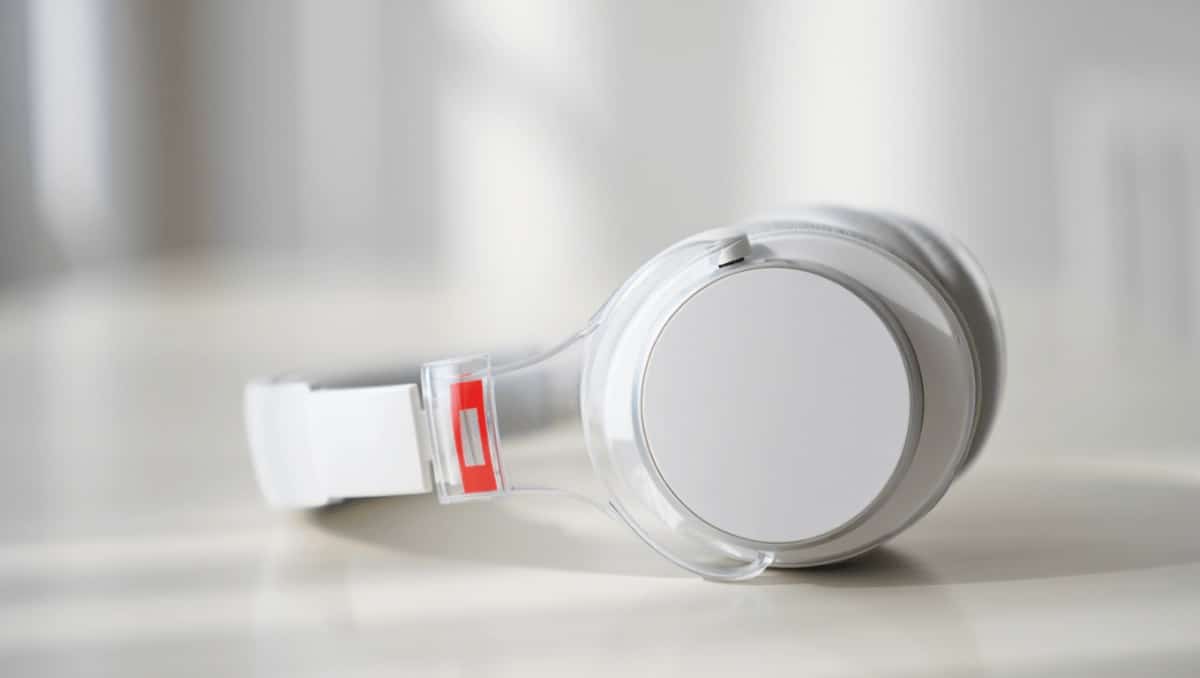
Nothing’s latest over-ear model, the Headphone (a), arrives as a bold value play. It undercuts the flagship by $100, packs sizable battery life, and keeps the brand’s distinctive look. After several weeks of real-world use, the (a) feels intentionally pared down and surprisingly polished.
Pricing and key technical specs that matter to buyers
- Price: $199, versus $299 for the Headphone (1).
- Drivers: 40 mm RF units.
- EQ: Eight-band equalizer in the companion app.
- Spatial audio: Concert and cinema modes (no head-tracking).
- Noise cancellation: Adaptive ANC with manual levels.
- Battery life: 75 hours with ANC, 135 hours without ANC.
- Quick charge: 5 minutes = ~8 hours playback.
- Microphones: Four mics, including two hybrid ANC mics.
- Durability: IP52 dust and splash resistance.
- Wireless: Bluetooth 5.4 with AAC, SBC, and LDAC codecs.
- Colors: White, black, pink, and yellow.
Nas slams music industry over disrespect: teases new music, vows to address it
1992 vocal performances: 3 jaw-dropping moments that still amaze
How the Headphone (a) compares with the pricier Headphone (1)
The new model borrows the visual DNA of the Headphone (1) but uses more plastic. That reduces weight and cost.
On fit and feel, the (a) clamps a bit less and feels lighter on the head. That improves comfort compared with the older flagship.
On paper the ANC gap is small. Nothing claims 40 dB for the (a) and 42 dB for the (1). In real life the difference is negligible.
Sound tuning is where the (1) pulls ahead. The flagship was tuned with KEF and offers a personal sound profile test. The (a) lacks that feature, and its default tuning leans bass-forward.
Still, both models share the same app experience. That app remains one of Nothing’s strongest assets.
Battery life that changes expectations
Battery endurance is a headline feature here. With ANC enabled, you get about 75 hours of playback.
Switch ANC off and the number jumps to an astonishing 135 hours. Few over-ear headphones deliver this level of longevity.
If you often forget to charge gear, this battery performance alone could sway your choice.
Tactile controls and overall build quality
Nothing’s physical controls are a standout. The right ear cup houses a small control suite that is intuitive and reliable.
- Roller: volume and playback control.
- Paddle: skip tracks.
- Action button: customizable shortcuts.
- Bluetooth button: located inside the cup for pairing.
The buttons feel distinct under the fingers. That reduces fumbling and unintended taps during daily use.
Comfort: solid, but not industry-leading
Padding is firmer than plush. The ear cups use a denser memory foam that gives a secure seal.
This results in a noticeable clamp force after a few hours. For some listeners that is acceptable. For others, it can be fatiguing.
Compared to the Headphone (1), the (a) is significantly more comfortable. But it doesn’t reach the ease of top comfort leaders like Bose QuietComfort models.
Sound character, EQ flexibility, and spatial modes
The out-of-box tuning favors bass. For listeners who value balance, the eight-band EQ makes a big difference.
- Use presets or create a custom curve in the app.
- Community-shared EQ profiles offer fast alternatives.
- Bass boost mode is available for listeners who want extra low-end thump.
After dialing in the EQ, vocals and midrange come forward. The headphones do not produce a hyper-detailed hi-fi presentation, but they deliver enjoyable, polished playback for most genres.
Spatial audio provides two modes. Concert widens the stage. Cinema creates a vertical emphasis. Neither approach replaces head-tracking, but both add a different feel to movies and live recordings.
Be aware of some sound leakage at higher volumes, particularly on bright, high-pitched content.
Active noise cancellation: capable but not class-leading
The ANC system is adjustable and behaves predictably across levels. There is no obvious hiss when active.
In busy public places the ANC reduces noise but stops short of full isolation. Loud voices and nearby music can still be perceptible.
If you need surgical noise blocking for transit or open-office work, stronger ANC models will serve better.
Practical strengths and weaknesses at a glance
- Strengths: Exceptional battery life, clean app, tactile controls, solid sound once EQ is tuned.
- Weaknesses: ANC lags top competitors, firmer padding may be uncomfortable for some, slight sound leakage at loud volumes.
Who will get the most value from the Headphone (a)?
This model suits buyers who care about style, long battery life, and easy physical controls.
Casual listeners who use EQ and prefer a punchy low end will find a lot to like. Commuters who demand the best noise blocking may want to compare other ANC leaders first.










