
Show summary Hide summary
- A familiar yet effective sci-fi horror setup
- Cast, characters, and performances that carry the plot
- Branching drama and the practical rewind feature
- Stealth mechanics dominate—and often derail—the experience
- Small systems that add flavor but rarely shift the story
- Visuals, atmosphere, and the ship’s unsettling transformation
- Multiplayer mode and the best way to play
- Price, length, and who will enjoy this voyage
Supermassive’s newest entry mixes tense, cinematic horror with repetitive mechanics. Directive 8020 plants you aboard the colony ship Cassiopeia and asks you to survive a mimic-like alien threat. The story grips, the gameplay frays, and the rewind tool changes how you explore branching paths.
A familiar yet effective sci-fi horror setup
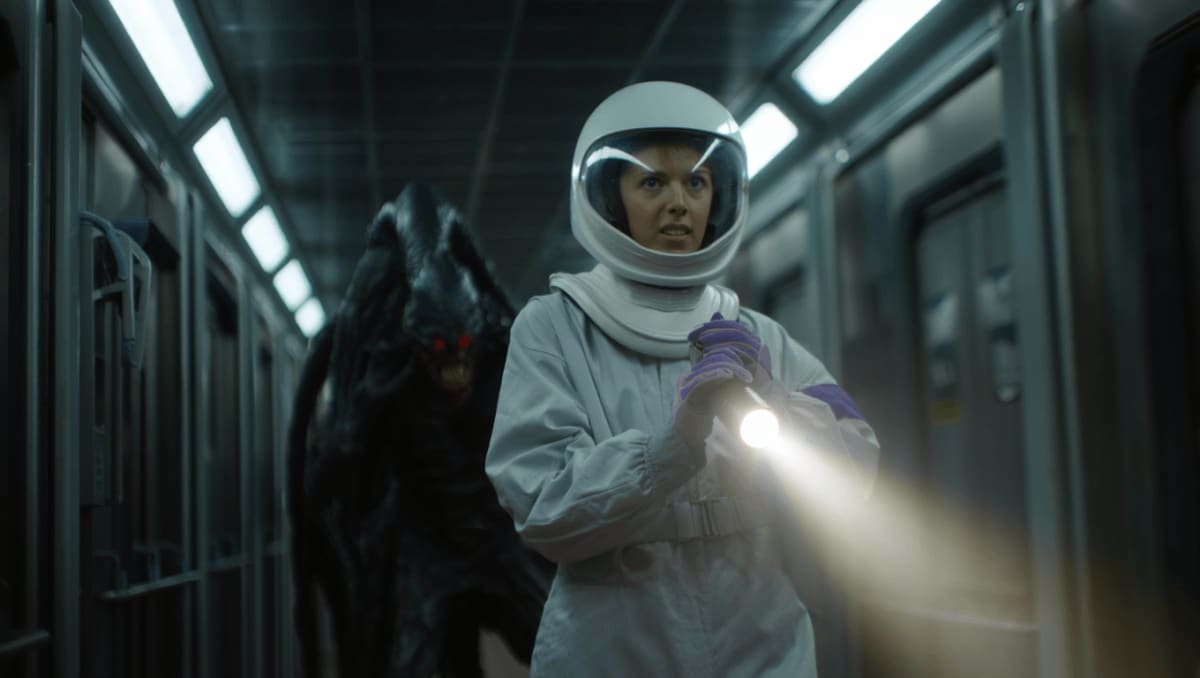
The game opens on a long mission to Tau Ceti. You and a small scientific crew wake from stasis to find things gone very wrong. An organism aboard can impersonate the living. What starts as a routine survey mutates into paranoia and survival instinct.
Nas slams music industry over disrespect: teases new music, vows to address it
1992 vocal performances: 3 jaw-dropping moments that still amaze
The premise leans on classics like Alien and The Thing. That influence is intentional. It gives the narrative instant atmosphere. The claustrophobic corridors and body-horror set pieces feel earned.
Cast, characters, and performances that carry the plot
Lashana Lynch anchors the cast as pilot Brianna Young. Her performance is a steady center amid rising tension. Other playable crew members include a commander, an engineer, a designer, and a scientist. Each has a compact backstory and clear motivations.
- Brianna Young — driven, haunted by legacy.
- Nolan Stafford — mission-focused leader.
- Laure Eisele — analytical and composed.
- Josef Cernan — grieving and searching for meaning.
- Dr. Amanda Cooper — trauma survivor with a fragile edge.
These characters are believable, if not deeply complex. They serve the narrative well. The game relies on their interactions to build dread.
Branching drama and the practical rewind feature
Supermassive has long traded on choice-driven tension. Directive 8020 keeps that DNA but adds a rewind system. Players can backtrack choices to see alternate outcomes without restarting the whole story.
The rewind tool is a genuine quality-of-life upgrade. It makes exploring branches less punishing and more accessible. That encourages replayability for completionists and curious players.
Still, many decisions feel engineered. Small choices often loop you back to the same major beats. The game designs fixed narrative checkpoints that limit how dramatically outcomes can change.
Stealth mechanics dominate—and often derail—the experience
Where the story excels, gameplay can lag. Directive 8020 leans heavily on stealth encounters. Those sections repeat frequently and control the pacing.
Typical stealth loop:
- Sneak past an enemy.
- Reach a locked door.
- Find a battery or power source.
- Activate the door and move on.
Repeat for several chapters. The repetition erodes suspense. What should feel tense becomes routine. Even the audio and visual cues struggle to sustain dread after multiple iterations.
The stealth design is the game’s weakest link. It makes long sequences feel like chores instead of challenge or narrative urgency.
Small systems that add flavor but rarely shift the story
Directive 8020 includes minor mechanics that enrich roleplay. You can text crew members during exploration. That feature updates character traits and offers light worldbuilding.
Trait upgrades slightly influence endings. They nudge story beats but rarely alter core plotlines. The game rewards consistent engagement with these side systems, especially for players chasing all outcomes.
Visuals, atmosphere, and the ship’s unsettling transformation
Technically, the game runs well and looks polished. Environments feel detailed. The ship’s corridors transition from sterile to organic as the alien infestation spreads.
The contrast between cold machinery and viscous biological growth creates strong environmental storytelling. No line of dialogue needed. The visuals communicate the catastrophe clearly.
Performance is solid overall. A minor bug in the Secrets tab can interrupt inventory scrolling. It is a small annoyance in an otherwise stable presentation.
Multiplayer mode and the best way to play
Directive 8020 supports a five-player co-op “movie night” mode. This social option plays to the series’ strengths. Watching decisions ripple across a group session amplifies tension.
- Co-op highlights: shared thrills, debate over choices, higher replay value.
- Solo experience: more focused, but reveals flaws in pacing.
The title feels most alive with friends. Group play masks some repetitive elements and boosts the fun factor.
Price, length, and who will enjoy this voyage
At $49.99, the campaign runs roughly eight hours for a single playthrough. That stretches with rewinds and multiple endings. If you value story-first horror and cinematic moments, there is plenty to savor.
Players expecting tight, varied gameplay might feel shortchanged. The stealth-heavy design and scripted story beats frustrate those seeking deeper interactivity.
Recommendation cues:
- Play it if you love narrative horror with strong performances.
- Consider co-op for the most enjoyable sessions.
- Wait for a sale if you want the best value and can tolerate stealth repetition.










