
Show summary Hide summary
- True headlines as the spark for a fictional engine
- How personal grief collides with geopolitics
- Lead performances and creative team worth following
- When a grounded drama shifts into heightened fiction
- Balancing geopolitical backdrop with intimate stakes
- Pacing, tone, and where the series lands
- How to watch and release cadence
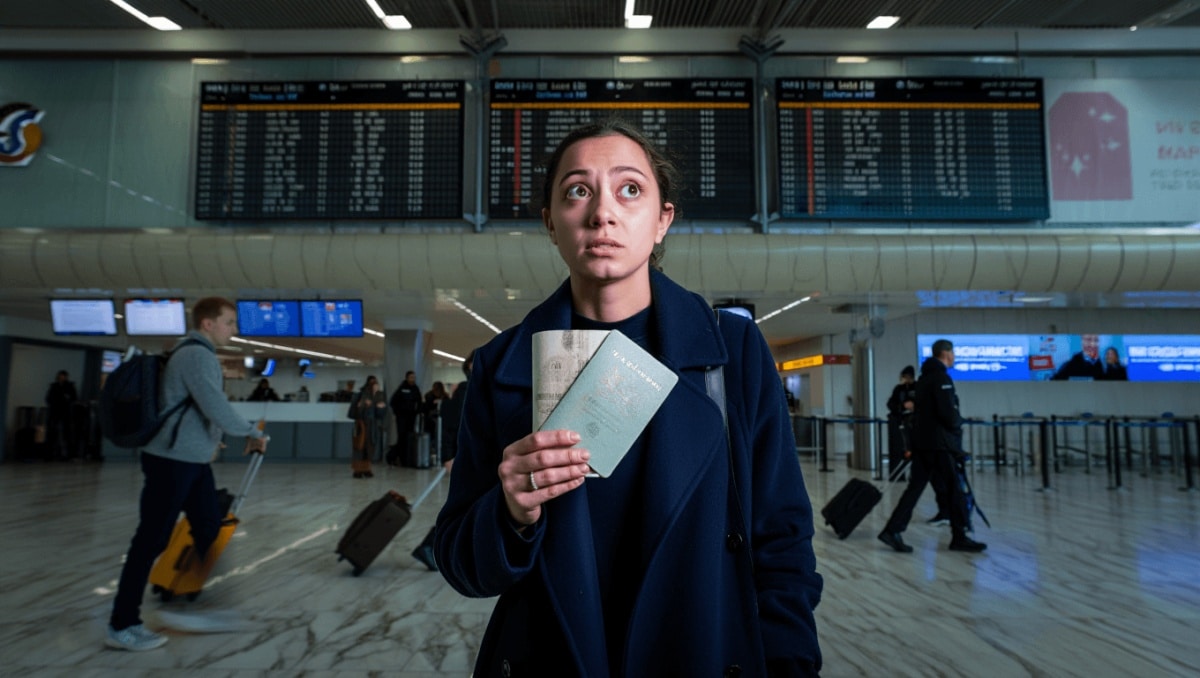
Apple TV’s new import, the Israeli thriller Unconditional, opens with a mother’s frantic search for her daughter after a sudden arrest abroad. The series hooks viewers with a blend of real-world echoes and increasingly strange turns. It feels familiar, yet it quickly chooses its own, unpredictable path.
True headlines as the spark for a fictional engine
Unconditional borrows the raw material of real diplomatic standoffs without turning into a news doc. A young woman named Gali is detained at a Moscow airport on drug charges. The arrest pulls at threads that resemble cases widely covered in recent years.
Nas slams music industry over disrespect: teases new music, vows to address it
1992 vocal performances: 3 jaw-dropping moments that still amaze
Many viewers will recognize the resonance with high-profile detentions abroad. The show never names every parallel. Still, it leans on the tension that comes when citizens are trapped in foreign legal systems.
How personal grief collides with geopolitics
The narrative centers on Orna, Gali’s mother, and her relentless campaign to get her daughter back. Her public appeals and calls for a prisoner swap place the story on an uneasy border between private grief and statecraft.
- Orna turns to media and politicians to raise awareness and pressure officials.
- The plot mentions negotiations and a foreign minister, anchoring the drama in official channels.
- Details such as a photo of Gali in military uniform and references to Russia add weight.
The show doesn’t focus on modern conflicts at home. Yet references to political negotiations and foreign policy decisions create a background hum. That hum keeps the viewer aware that one woman’s fight exists inside a complex system.
Lead performances and creative team worth following
The series is co-created by Dana Idisis and Adam Bizanski and directed by Johnathan Gurfinkel. Its emotional center is Orna, played with restraint and depth.
Principal cast and roles
- Liraz Chamami as Orna — a mother navigating panic and resolve.
- Talia Lynne Ronn — in her screen debut as Gali.
- Amir Haddad — plays Dori, a former partner with ties to security services.
- Evgenia Dodina — as Rita, a pragmatic operative who becomes Orna’s companion in Russia.
Chamami holds the series emotionally. She avoids melodrama and lets small, quiet moments land. That choice helps viewers stay invested even as the plot becomes less realistic.
When a grounded drama shifts into heightened fiction
About halfway through, the show leaves strict realism behind. Orna abandons formal diplomacy and goes to Moscow to search for Gali. From that point, coincidences multiply and the plot leans into improbability.
- Clues surface through a Spotify favorite and an unexpected concert in Moscow.
- A character with spycraft skills appears to smooth over diplomatic improbabilities.
- Details about Gali’s past surface in surprising ways, often discovered by Orna alone.
These shifts have pros and cons. On one hand, the series loses some documentary weight. On the other, it creates a distinct, propulsive story that is easier to follow as a thriller.
Balancing geopolitical backdrop with intimate stakes
Unconditional keeps returning to the human costs of the crisis. Orna must also cope with a husband suffering from early-onset dementia. This personal burden gives her more at stake than the public spectacle alone.
The show explores how private care duties, family dynamics, and past rebellions shape a mother’s choices. Gali’s life on the road, decisions in the military, and later mysteries about her associates become plot engines.
Pacing, tone, and where the series lands
Unconditional mixes fast-moving thriller beats with slower emotional scenes. The early episodes dwell on the anguish of being separated from a loved one. Later chapters trade that agony for uneasy, often darkly comic capers.
The tonal shift is deliberate: the series wants to be a story about a mother’s devotion, not a policy lecture. That choice frees the plot to take sharper, sometimes wilder turns.
How to watch and release cadence
Apple TV is streaming the first two episodes now. The remaining episodes drop on a weekly schedule, with new installments arriving every Friday.










