
Show summary Hide summary
- From 2005 to 2024: The Comeback’s unusual timeline and legacy
- How the finale framed AI as a threat — and as a workplace force
- Valerie Cherish’s arc: resistance, reinvention, and the price of comeback
- What the show says about sitcoms, craft and cultural value
- Tone and truth: why the ending feels both hopeful and uneasy
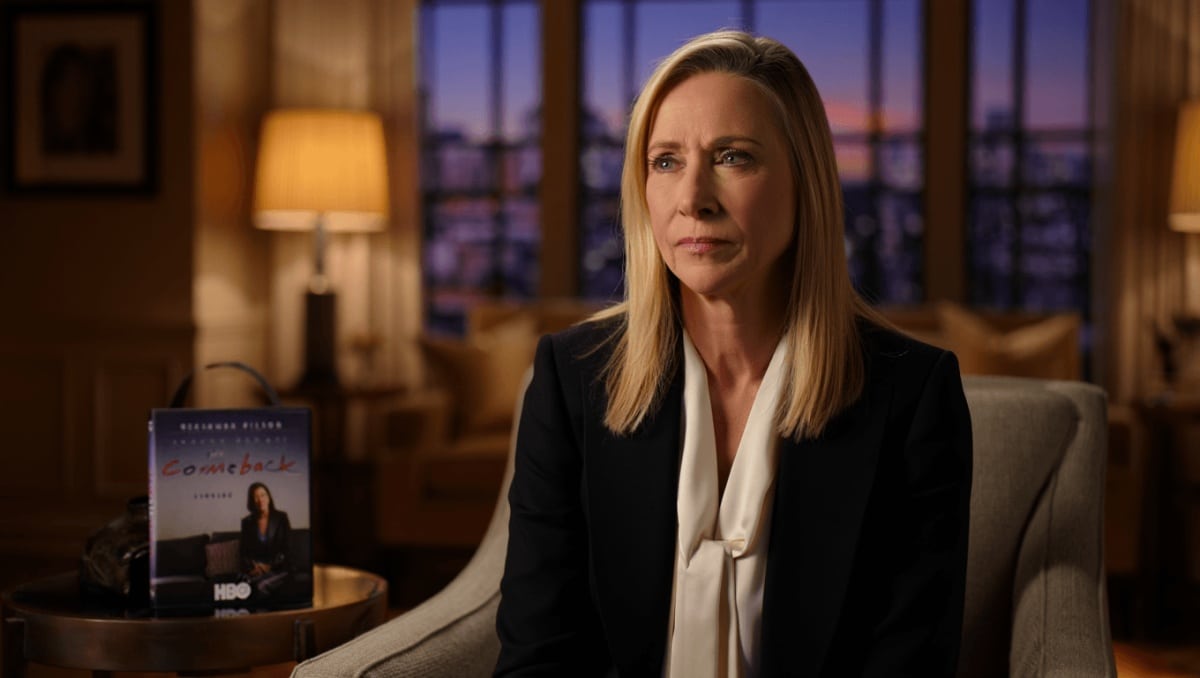
The HBO comedy starring Lisa Kudrow and steered by Michael Patrick King closed its latest chapter on May 10, and the finale left viewers with a buzzing question: is artificial intelligence the end of the Hollywood we know, or just another disruptive chapter in a long story of reinvention?
From 2005 to 2024: The Comeback’s unusual timeline and legacy
The Comeback has never marched to a standard TV calendar. Its three seasons arrived across decades, not years, turning a modest episode count into an odd kind of longevity.
Nas slams music industry over disrespect: teases new music, vows to address it
1992 vocal performances: 3 jaw-dropping moments that still amaze
- Launch: 2005 debut that planted the character of Valerie Cherish in cultural memory.
- Returns: Breaks between seasons stretched the series across 21 years.
- Scale: Roughly 29 episodes in total — small by some measures, vast in terms of span.
That irregular run lets the show serve as a living timeline. It charts changes in the medium: broadcast gave way to cable, cable to streaming, and now streaming faces the presence of algorithmic creativity. The Comeback uses Valerie’s life to map those shifts.
How the finale framed AI as a threat — and as a workplace force
The episode stages a confrontation many in the industry are already having. Valerie is pulled into discussions with veteran writers and studio executives who argue the rise of machine-generated scripts is more than a trend.
On-screen, writers warn that current leaps toward automation feel different from past technology shifts. They fear not just a new platform but a structural erasure of jobs and craft. One character calls the change an almost terminal upheaval in TV labor.
- Producers push AI tools to cut costs and speed production.
- Some execs portray AI as suitable for lightweight sitcoms, not prestige drama.
- Writers and performers worry about the slow replacement of human storytellers.
The finale positions AI as a real, existential challenge — but not a clean annihilator of creative work.
Stakes on the set
The fictional NuNet sitcom in the episode is largely AI-written, yet it still produces a working set with people, routines and small victories. That paradox is central: even mechanized output can foster community and craft.
Valerie Cherish’s arc: resistance, reinvention, and the price of comeback
Valerie’s journey in the finale is both personal and emblematic of broader industry anxieties. She pushes back against executives and then faces replacement by a digital facsimile of herself.
Instead of disappearing, however, Valerie lands another opportunity. She wins back some dignity and a new role that reframes her career. The narrative insists she has changed over two decades.
- She confronts the studio’s plan to replace performers with AI copies.
- She invokes a moral warning about incremental surrender of labor rights.
- She is ultimately offered a different, human-led project that restores some agency.
The finale rewards Valerie with professional validation while keeping the audience aware of what she and others have lost.
What the show says about sitcoms, craft and cultural value
The writers of The Comeback defend the sitcom form. On the page, a sitcom might look easy. In practice, great sitcoms have shaped culture and launched careers.
In the finale, even a program produced by algorithms builds camaraderie, trains future writers, and entertains a live audience. That complicates the idea that automation automatically destroys artistic value.
- Human crews still create atmosphere on set.
- Assistants and junior staff discover craft pathways.
- Audiences respond emotionally to performance, not code.
So while AI can replicate jokes or formats, the episode suggests it cannot fully replace relational and improvisational dynamics.
Tone and truth: why the ending feels both hopeful and uneasy
The finale dresses its verdict in optimism, but the optimism is pragmatic rather than triumphant. It acknowledges loss while sketching a path forward for certain characters.
The show ends with a few concrete signals. Valerie receives another Emmy nod. Cast members on the AI sitcom are swapped for machine versions. And there’s a postscript revealing production choices about the series itself.
Notably, the final text assures viewers that no AI was used to write The Comeback.
- Hope: People can adapt, find new roles, and keep creative sparks alive.
- Unease: Jobs and faces can be algorithmically replaced, and the industry may prioritize output metrics.
- Ambiguity: The emotional work on a set persists, even if production methods change.
The show keeps its signature mix of satire and empathy, refusing to present a single moral verdict on the industry’s future. It insists that television has survived past “extinction” moments. Whether that survival will look the same remains unclear.










