
Show summary Hide summary
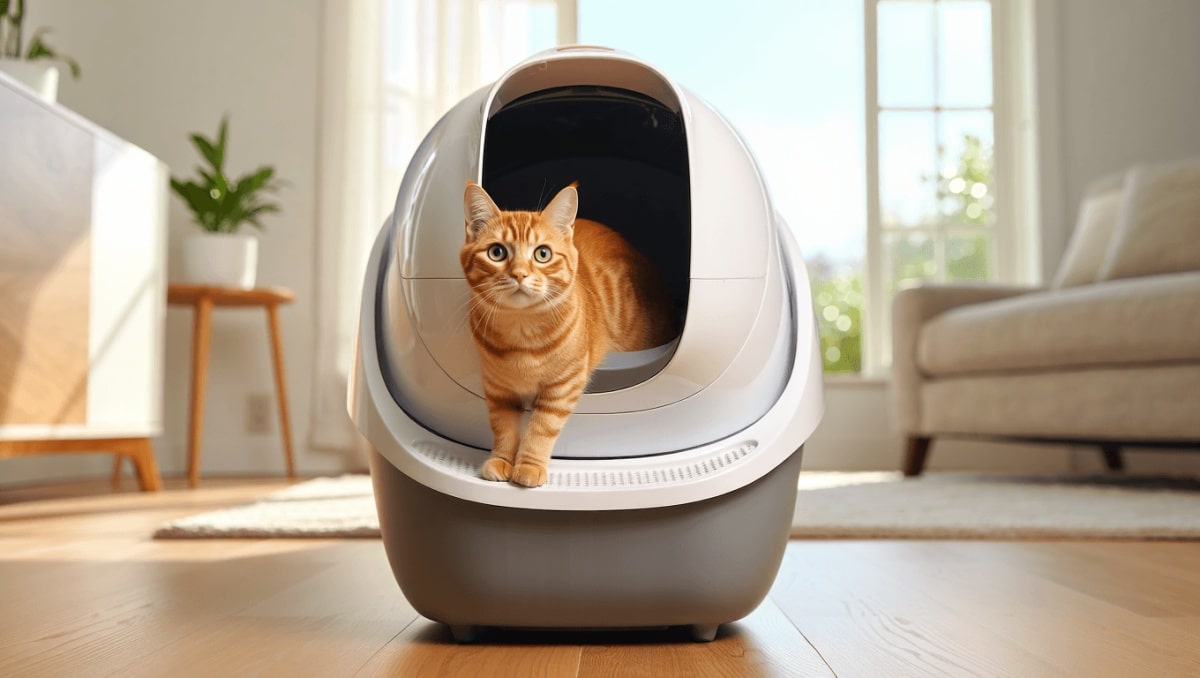
When a new automatic litter box landed in my living room, I expected convenience. What I found was a machine that mixes automation, sensors and optional AI into a single unit that aims to reduce scooping and track cat health. After more than three months of daily use with a growing kitten, I’m sharing how the Petlibro Luma performs in real homes and whether its features justify the cost.
Price, in-box items, and ongoing costs
The Petlibro Luma arrives at a retail price of $599.99. That positions it below most Litter-Robot models but above budget single-tray options.
Nas slams music industry over disrespect: teases new music, vows to address it
1992 vocal performances: 3 jaw-dropping moments that still amaze
- Included in the box: a litter mat (pre-installed), one extra litter filter, 15 waste bags, a removable step, and a carbon filter.
- Suggested consumable replacements:
- Carbon air filter: $19.99 every 1–3 months.
- Interior litter mat: $29.99 about every 90 days.
Petlibro also offers cloud AI subscriptions for owners who want video history and detailed health analytics. Subscription tiers are:
- Video Cloud AI Standard: $95.99/year. Supports one device. Seven-day video history.
- Video Cloud AI Premium: $135.99/year. Supports one device. 30-day video history.
- Video Cloud AI Premium Family: $159.99/year. Supports up to three devices. 30-day video history.
These plans are optional. The unit functions without them, but the AI features add recorded footage and deeper health tracking.
How the Luma cleans and manages odors
The Luma uses a rotating drum to separate waste from clean litter. When a cleaning cycle begins, the drum tilts backward to deposit waste into a sealed drawer.
- An internal air purifier runs during cycles to help manage smell.
- Cycle time is roughly one to two minutes, depending on sensors and interruptions.
- The litter surface resets automatically to a smooth, even level for the next use.
Emptying the drawer is straightforward: pull it out, tie the drawstring bag and discard. In testing, the device signaled drawer emptying roughly every two weeks.
Smart monitoring, video storage, and health tracking
The Luma offers a range of monitoring tools. Some are built into the hardware; others require the AI subscription.
- Built-in app features:
- Visit tracking and timestamps.
- Weight logs and basic usage photos.
- Notifications for drawer, filter, and mat replacement.
- AI subscription adds:
- Waste type detection (pee vs. poop) and visual classification.
- Saved video clips and highlight reels.
- Long-term trend charts for frequency, weight and waste changes.
Corrections made by the owner help the AI improve its accuracy over time. The app can alert you if your cat misses expected visits, which could flag a health issue early.
Video highlights and care trends
Monthly highlight reels compress daily footage into short clips. For some owners this is useful; for others it’s an optional convenience. The care trends view lays out usage and weight over time, which can be handy at the vet.
Practical maintenance and real-world use
Cleaning the Luma’s central drum is simple and quick. In my experience, the main components can be wiped down in five to 10 minutes.
- Waste drawer replacement frequency matched Petlibro’s estimate at about two weeks.
- The device is quieter than many expect, though motor noise is noticeable during cycles.
- Scheduling and manual mode let you control when the box runs to avoid late-night cycles.
One surprising moment: the first time I opened a two-week-old drawer, the smell was strong. That smell was contained until the drawer was opened, however, and disposal was clean and fast.
Safety systems and fail-safes
The Luma combines three sensor types to protect pets: an inward-facing AI camera, a weight sensor, and a front-facing motion detector.
- Cleaning pauses immediately if a cat is detected inside or near the opening.
- There is a child-lock option for the physical controls.
- You can disable automatic cleaning completely or set a cleaning schedule.
During testing, the unit paused whenever the kitten got too close. On one occasion the box required a power cycle to resume; the behavior favored safety over uninterrupted operation.
Comparing the Luma to Litter-Robot models
The Petlibro Luma is positioned between budget units and higher-end Litter-Robot machines. Key differences include design and operation.
- Emptying method: Luma tilts backwards; many Litter-Robot models spin to sift litter.
- Safety implication: spinning designs remain open, which can make it easier for a cat to exit during a cycle.
- Included features: Luma ships with a ramp; some Litter-Robot ramps are sold separately.
- Size and capacity: Petlibro claims it fits cats up to 22 lbs and supports up to 10 cats in theory.
Price comparison at the time of testing showed the Luma below most Litter-Robot units. The Luma and Litter-Robot Evo shared similar price points, but manufacturer recommendations for multi-cat households differ.
What works well and what to expect
The Luma excels at automating scooping, offering optional AI health insights, and making basic upkeep easy. The app-based alerts and visit logs are especially useful if you monitor your cat closely.
- Pros: Easy maintenance, solid odor containment, useful app notifications, optional video and analytics.
- Cons: High initial price, recurring cost for filters and mats, and subscription fees for advanced AI features.
During the testing period with a young cat that took to the unit immediately, the Luma proved reliable and simple to live with. Owners who prize health monitoring or multi-cat compatibility may find the subscription features compelling.










