
Show summary Hide summary
- Box office boom and the erasure of earlier reckonings
- Why many viewers choose to separate the artist from the allegations
- Defenses rooted in a history of racial injustice
- What the record of accusations shows
- How race and victim identity complicate belief and support
- Statistics that frame the broader justice context
- The courtroom experience and public persuasion
- Why the debate forces an uncomfortable choice
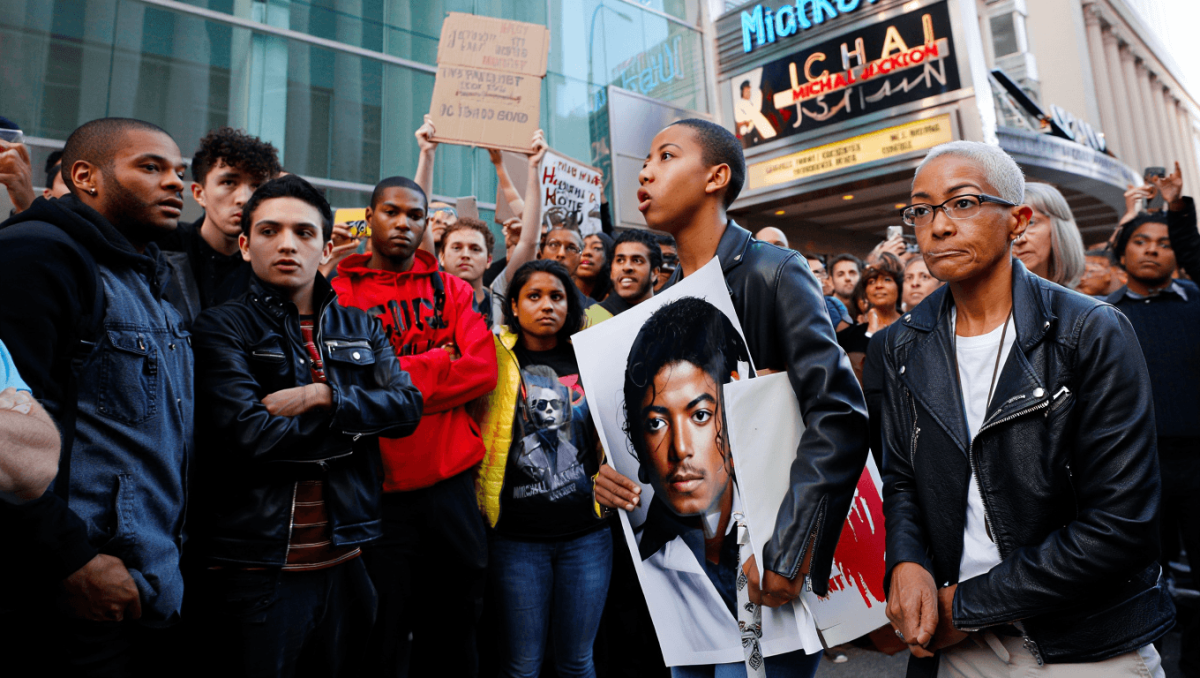
The new Michael biopic opened to blockbuster numbers and fierce debate. Audiences flocked to cinemas to relive the music and spectacle of Michael Jackson, even as the singer’s legacy remains entwined with multiple, credible accusations of child sexual abuse. The film’s success has reignited old arguments about art, justice, race, and how a culture remembers its icons.
Box office boom and the erasure of earlier reckonings
The movie climbed fast on release day. Ticket sales shattered expectations. Critics noted the contrast between the film’s commercial success and the unresolved moral questions around Jackson’s life.
Nas slams music industry over disrespect: teases new music, vows to address it
1992 vocal performances: 3 jaw-dropping moments that still amaze
- Streaming and broadcast choices shifted in recent years. Some outlets distanced themselves after the 2019 documentary Leaving Neverland.
- Recent legal moves by Jackson’s estate resulted in the removal of that documentary from a major platform.
- Despite that, the biopic has drawn crowds eager for concert recreations and hit-driven nostalgia.
For many viewers, the music appears to outweigh the controversy. Others see the timing and marketing as a deliberate reframing of Jackson’s public image.
Why many viewers choose to separate the artist from the allegations
Some people treat Jackson’s death as a closing chapter that softens the moral dilemma. They argue that the allegations now feel distant, and that film offers a chance to witness his artistry unfiltered.
Audience reactions on review platforms and social media
Fan reviews praise the film for capturing the “magic” of his concerts. On social channels, a large portion of comments declare Jackson innocent.
- Short-form video platforms have become hubs for debates labeled “Guilty or innocent?”
- Many creators argue society owes Jackson a formal apology.
- Others simply treat the film as entertainment and refuse to engage with the allegations.
Defenses rooted in a history of racial injustice
Some defenders frame the accusations through the lens of racial bias in the criminal justice system. They say Jackson, as a Black global superstar, could have been targeted by institutional forces.
Directors and public figures involved with the film have publicly voiced that perspective. One filmmaker said that audiences should consider the long pattern of institutions seeking to bring down successful Black men.
That argument draws on a painful historical record: wrongful prosecutions and extrajudicial violence against Black men in the United States.
How the race-defense plays out
The reasoning often goes like this:
- Black men face disproportionate scrutiny from law enforcement.
- Historical cases of injustice create a reflexive distrust of allegations against prominent Black figures.
- Some fans see the biopic as corrective cultural work against that historical mistreatment.
What the record of accusations shows
Multiple people have publicly accused Jackson of sexual misconduct when they were minors. Their accounts include consistent details that have been widely reported.
At least ten individuals have gone on record with similar allegations. Only one of those accusations was tried criminally, and Jackson was acquitted in that 2005 trial.
Why convictions are rare in child sexual abuse cases
Prosecutors pursue a small fraction of reported child abuse incidents. Studies show many cases never reach court.
- Complex evidentiary challenges and trauma-related responses can make prosecution difficult.
- Defense tactics commonly aim to discredit victims and their families.
- In trials involving children, courts can be skeptical of testimony and influenced by myths about abuse.
How race and victim identity complicate belief and support
When the alleged victims are boys of color, additional barriers often appear. Their experiences are shaped by intersecting inequalities.
Scholars note that Black and minoritized children frequently receive less attention, fewer resources, and more disbelief when they report abuse.
- Racialized stereotypes can silence victims and deflect accountability.
- Cultural stigmas and institutional bias affect reporting and support.
- These dynamics make justice harder to attain for children of color.
Statistics that frame the broader justice context
Racial disparities in incarceration and policing are well documented. Black Americans face much higher rates of imprisonment than white Americans.
That reality fuels distrust of systems meant to deliver justice. Many people draw parallels between past miscarriages of justice and the handling of accusations against high-profile Black men.
The history of wrongful accusations and convictions colors public reaction to celebrity cases. Yet that history does not negate the victims’ voices or the evidence in any given case.
The courtroom experience and public persuasion
Trials can be crushing for alleged victims and for the accused. Media coverage, legal theatrics, and social bias all shape outcomes.
Defense strategies often portray accusers as mistaken or manipulative. Attorneys may suggest financial motive or dishonesty to sow doubt.
- Children who testify are frequently met with disbelief.
- Mothers and caregivers can be blamed for permitting abuse.
- Public assumptions about how abuse “should” look influence jurors and viewers alike.
Why the debate forces an uncomfortable choice
Discussion around the film often asks the public to choose between empathy for Black men and compassion for abused children. That framing pits two vulnerable groups against each other.
Both groups have long faced systemic failures and injustice. Arguing that one claim should silence the other does not resolve the deeper structural problems.










