
Show summary Hide summary
- Major journalism honors and what they exposed
- Local reporting: two winners that spotlight community impact
- Audio, photography and public service awards
- Special citation and the investigation that kept resonating
- Letters, drama and books honored in 2026
- Other arts and criticism prizes
- Context: pressures facing journalism and ongoing legal attention
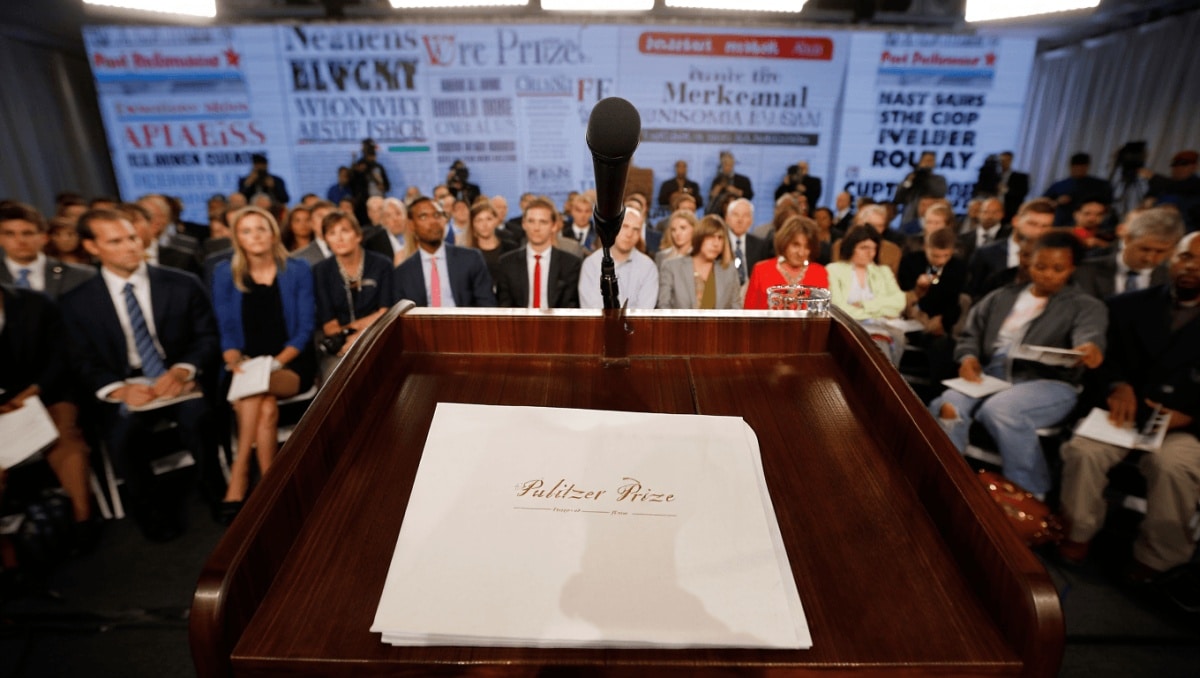
The 2026 Pulitzer Prizes unveiled a wide sweep of winners across journalism, books, drama, poetry and music, honoring investigative work, moving memoirs and bold storytelling. The awards highlight both established outlets and newer newsrooms, and they underscore how reporting and art can shape public debate.
Major journalism honors and what they exposed
- Breaking News Reporting: The Minnesota Star Tribune staff was recognized for coverage of a deadly shooting at a back-to-school Mass. Reporters blended speed with empathy in crisis reporting.
- Investigative Reporting: The New York Times staff won for detailed reporting that traced how former President Trump profited from power and blurred conflict-of-interest lines.
- Explanatory Reporting: Susie Neilson, Megan Fan Munce and Sara DiNatale of The San Francisco Chronicle were honored for “Burned,” an investigation into insurance algorithms and denied wildfire claims.
- Beat Reporting: Jeff Horwitz and Engen Tham of Reuters revealed the risks Meta’s platforms pose to users, including children, from scams and AI manipulation.
- National Reporting: A Reuters team led by Ned Parker, Linda So, Peter Eisler and Mike Spector documented how presidential power was used to reward allies and target opponents.
- International Reporting: Associated Press reporters Dake Kang, Garance Burke, Byron Tau, Aniruddha Ghosal and contributor Yael Grauer examined global surveillance tools developed in Silicon Valley and China.
Nas slams music industry over disrespect: teases new music, vows to address it
1992 vocal performances: 3 jaw-dropping moments that still amaze
Local reporting: two winners that spotlight community impact
The board split the local reporting prize between two efforts that had big local impact.
- Connecticut Mirror and ProPublica: Reporters Dave Altimari, Ginny Monk, Sophie Chou and Haru Coryne exposed towing practices that preyed on residents, sparking consumer protections.
- The Chicago Tribune: The staff documented ICE sweeps in Chicago, detailing how federal immigration actions galvanized local resistance.
Audio, photography and public service awards
- Audio Reporting: The podcast Pablo Torre Finds Out won for a live-journalism investigation into how the Los Angeles Clippers allegedly funneled extra payments to Kawhi Leonard via an endorsement deal. The NBA is still probing the matter. The team and owner Steve Ballmer denied wrongdoing. Leonard said he did not think the reporting was accurate, and the endorsed company has since ceased operations.
- Breaking News Photography: Saher Alghorra of The New York Times was cited for stark images showing hunger and devastation in Gaza.
- Feature Photography: Jahi Chikwendiu of The Washington Post was honored for a photo essay about a family welcoming a newborn as the father faced terminal cancer.
- Public Service: The Washington Post received recognition for reporting that peeled back the secrecy around federal agency overhauls and showed human consequences from policy changes.
Special citation and the investigation that kept resonating
Julie K. Brown of the Miami Herald received a special citation for her groundbreaking 2017–2018 reporting on Jeffrey Epstein. Her work exposed systemic abuse and the legal protections Epstein once received. That reporting pushed open official files and kept the story alive in public discussion.
Letters, drama and books honored in 2026
- Fiction: Daniel Kraus won for Angel Down, a World War I novel told as one long sentence. The book mixes allegory and magical realism around soldiers who find a fallen angel.
- History: Jill Lepore’s We the People: A History of the U.S. Constitution was recognized for a readable account of why the Constitution resists easy amendments.
- Biography: Amanda Vaill won for Pride and Pleasure: The Schuyler Sisters in an Age of Revolution, a lively study of two influential women in early American history.
- Memoir or Autobiography: Yiyun Li’s Things in Nature Merely Grow received the prize for a spare, resilient memoir about grief after losing both sons to suicide.
- Poetry: Juliana Spahr’s Ars Poeticas explores personal disillusion and artistic responsibility.
- General Nonfiction: Brian Goldstone’s There Is No Place for Us: Working and Homeless in America was honored for reporting on family homelessness among the working poor.
- Drama: Bess Wohl’s play Liberation won for its blend of humor and earnestness about 1970s feminist consciousness-raising groups.
- Music: Gabriela Lena Frank’s orchestral work Picaflor: A Future Myth was recognized for a ten-movement symphony reflecting wildfires and Andean myth.
Other arts and criticism prizes
- Feature Writing: Aaron Parsley of Texas Monthly received the prize for a personal account of survival during historic Central Texas floods.
- Criticism: Mark Lamster of The Dallas Morning News won for architecture criticism that champions city residents and civic life.
- Opinion Writing: M. Gessen of The New York Times was honored for essays on rising authoritarianism drawn from history and personal experience.
- Illustrated Reporting and Commentary: Anand RK, Suparna Sharma and Natalie Obiko Pearson of Bloomberg were cited for “trAPPed,” a visual and narrative report on digital arrest and surveillance in India.
Context: pressures facing journalism and ongoing legal attention
Pulitzer administrator Marjorie Miller noted the wide political and economic pressures on newsrooms and artists. She praised the resilience and skill of those doing the work.
The awards come amid legal friction. Former President Trump still pursues a 2022 lawsuit against the Pulitzer board. That case arose after prizes for reporting on alleged 2016 campaign ties to Russia. The suit remains active.










