
Show summary Hide summary
- A nostalgia-fueled return to fashion and ambition
- Characters, conflicts, and the new antagonists
- How the film stages its critique — and who bankrolls it
- Sequel economics: why studios recycle safe bets
- Miranda’s dilemma: art needs money, money warps art
- Publicity, product placement, and the spectacle of consumption
- Plot solutions and the fairy-tale machinery behind them
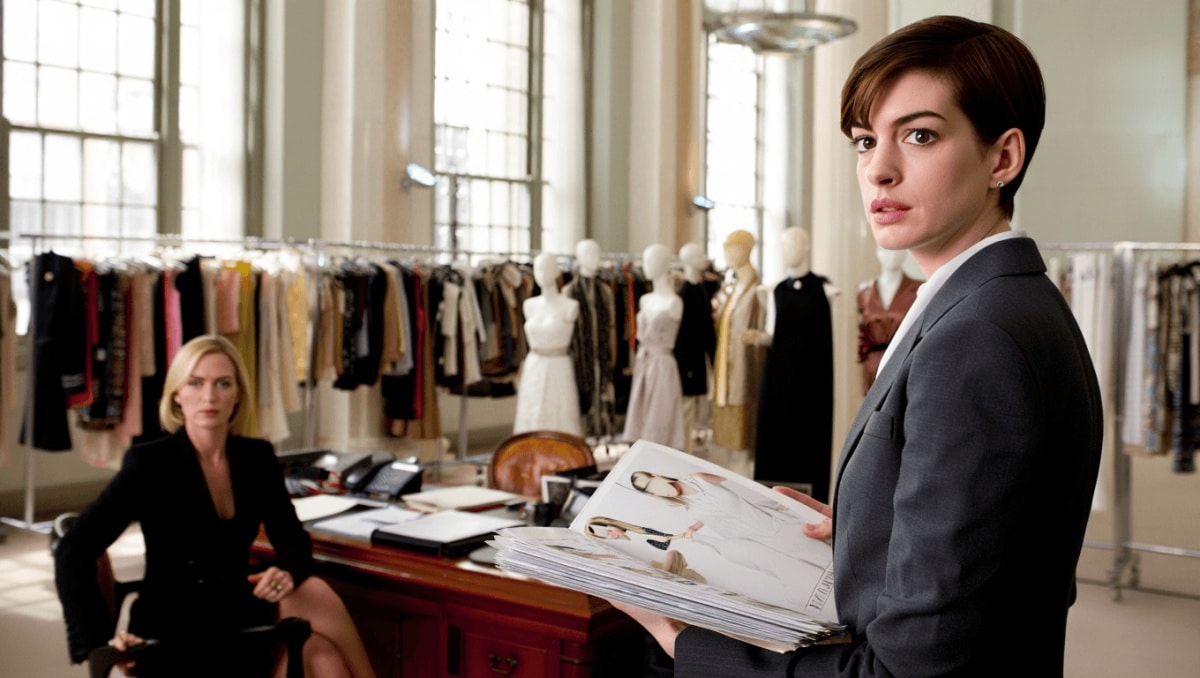
The sequel to a beloved millennial classic has arrived with glossy costumes, familiar beats, and a sharper awareness of the business that fundraises its fantasies. The new film brings back the office politics, the sartorial spectacle, and a moral debate about art and money — but this time the stakes feel entangled with the very corporate forces the story critiques.
A nostalgia-fueled return to fashion and ambition
The original movie captured a generation chasing careers in New York. Young hopefuls saw Andy Sachs as proof that grit could buy a seat at the table. That film blurred ambition and ethics into a tidy arc that felt true in 2006.
Smashing Pumpkins reunite with legendary 90s producer Butch Vig on new Hunger Games track
U.K. terror plot: what we know and why the Gulf remains in limbo
Two decades on, the sequel leans into that nostalgia. It offers costume-driven pleasures and the warm chemistry of returning actors. Yet the world it portrays has shifted. Media outlets are leaner, readers pay less, and journalism faces repeated layoffs.
Characters, conflicts, and the new antagonists
The sequel reintroduces familiar faces and adds fresh antagonists shaped by today’s tech and corporate culture. The power plays at Runway now reflect a marketplace dominated by optimization and private wealth.
- Andy Sachs: Back as a features editor, navigating a changed newsroom and the pressure to monetize culture.
- Jay Ravitz: A privileged executive who favors efficiency over craft. His wardrobe signals an aloof, frictionless lifestyle.
- Benji Barnes: A wealthy tech investor whose appetite for expensive objects drives dangerous offers for Runway.
- Miranda and Nigel: Veteran operators who must reconcile devotion to beauty with the market’s hunger for profit.
These figures expose a new kind of villainy. It is less about cruelty for cruelty’s sake and more about structural indifference. The movie makes this visible through costume, casting, and tone.
How the film stages its critique — and who bankrolls it
The story takes aim at billionaire influence and superficial consumption. Yet the film’s release is wrapped in corporate partnerships and licensed merchandising that muddle its message.
Brand tie-ins are everywhere:
- Major cosmetics and fashion houses appear as official partners.
- Tech and lifestyle brands anchor promotional campaigns.
- Novelty merch — from themed drink cans to branded popcorn buckets — converts criticism into commerce.
That commercial ecosystem raises a question: can a story denouncing mass consumerism remain credible while relying on high-value promotion?
Sequel economics: why studios recycle safe bets
Hollywood’s appetite for mid-budget, female-led dramas has waned. Studios now prefer intellectual property with built-in audiences. Sequels and franchises reduce financial risk.
This sequel exists in that logic. A major studio owns the original rights and sees the film as a protected asset. The result is a movie dense with callbacks and fan service.
Studios also lean on proven formulas rather than investing in wholly original narratives. That tension shapes the film’s tone and its willingness to bite the hand that feeds it.
Miranda’s dilemma: art needs money, money warps art
The franchise has always balanced admiration for aesthetic labor with the realities of capitalism. Miranda embodies that contradiction: she defends beauty while acknowledging it must be funded.
- Her worldview argues that capital preserves creative institutions.
- But sponsorship and billionaire ownership can hollow out editorial integrity.
- The film stages that conflict as a moral and practical problem for its protagonists.
Real-world parallels amplify this friction. High-profile donors and corporate backers sit inside cultural ceremonies while labor and ethics remain contested.
Publicity, product placement, and the spectacle of consumption
The sequel’s marketing reads like a lesson in modern brand collaboration. It pairs luxury labels with household sponsors to create a glossy halo around the film.
That strategy does two things at once: it enhances visibility and converts aesthetic critique into revenue. Product placement is no longer an aside. It shapes how audiences experience the story.
When a movie about the dangers of commodifying art sells branded accessories and exclusive tie-ins, the line between satire and sponsorship blurs.
Plot solutions and the fairy-tale machinery behind them
The narrative reaches for a clever resolution that feels earned within the film’s own rules. The characters find an inventive way to protect Runway’s values.
Yet the finale’s optimism sits uneasily next to the movie’s commercial ecosystem. A feel-good ending can coexist with a production model that relies on the same forces the film critiques.
That paradox is part of the film’s uneasy charm: it wants to celebrate art and courage while operating within commodified systems that reward spectacle. The result is a sequel that sparkles and nags at the same time










