
Show summary Hide summary
- How the book became a six-episode TV season
- Plot essentials: Pepper, New Hyde and the silver door
- Cast and performances worth noting
- The show’s critique of mental healthcare and power
- Direction, atmosphere and the handling of horror
- Changes from the novel and what those changes buy
- Worldbuilding, pacing and missed specifics
- Scenes that work and a finale moment that lands
Victor LaValle’s novel has been reborn as a short, tense anthology season that plants a possible Devil inside a failing New York asylum. The show mixes character drama and creeping dread, while asking whether the true menace comes from a monster or the system meant to heal.
How the book became a six-episode TV season
LaValle teamed with co-showrunner Chris Cantwell to reshape the 2012 novel for television. The series premieres on AMC+ and Shudder, before later airing on AMC. Producers trimmed the story to six episodes, down from the ten-episode runs of earlier The Terror seasons.
Nas slams music industry over disrespect: teases new music, vows to address it
1992 vocal performances: 3 jaw-dropping moments that still amaze
The shortened format concentrates the plot but also speeds through background details. The result is a tighter, less expansive season that often feels hurried.
Plot essentials: Pepper, New Hyde and the silver door
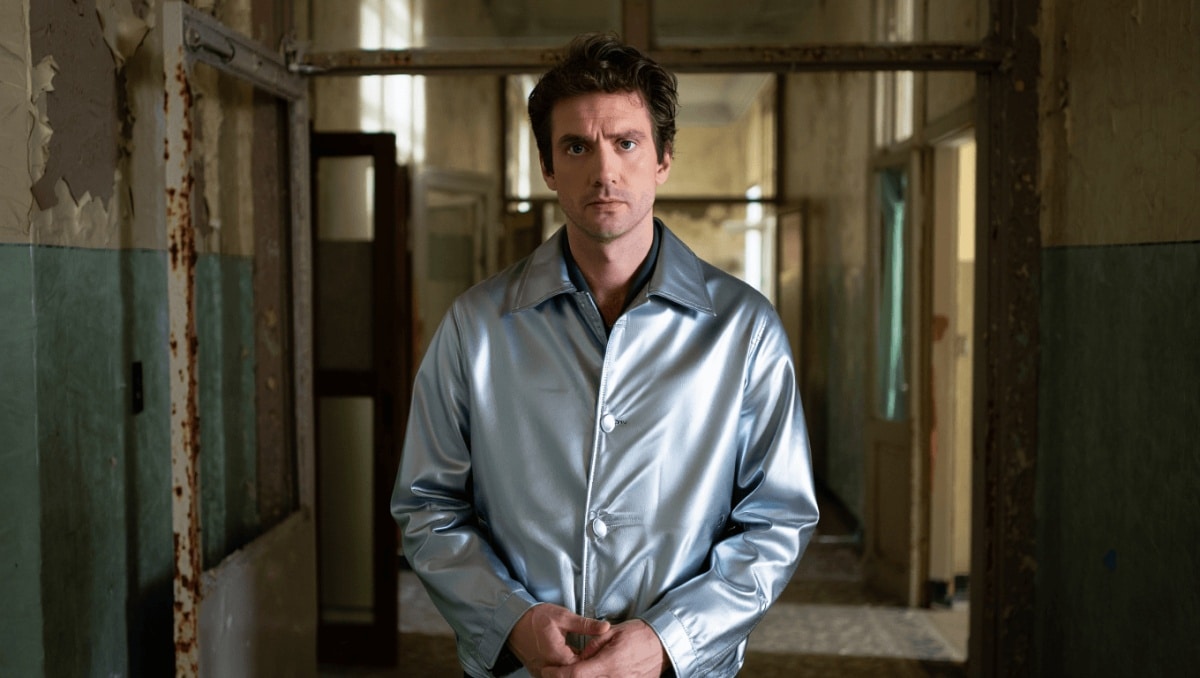
Pepper, played by Dan Stevens, is a former metal drummer now working as a mover in Queens. A confrontation with his girlfriend’s abusive ex leads to a baffling arrest. Instead of being booked, Pepper is dropped off at New Hyde Psychiatric Hospital for a 72-hour hold.
New Hyde is depicted as worn-down and bureaucratic. Staff insist on “compliance” over care. Patients circulate rumors about a locked room behind a silver door and a nocturnal attacker who prowls the wards.
What the rumors say
- Some call the figure a man with a buffalo-like head.
- Others whisper the patient is the Devil himself.
- At night, the unknown presence stalks and wounds fellow patients.
Cast and performances worth noting
The ensemble pulls much of the series’ emotional weight.
- Dan Stevens delivers an intense, regret-tinged portrayal of Pepper. His accent slips at times, but his emotional arc is compelling.
- Aasif Mandvi plays Dr. Anand, a clinician whose good intentions have frayed.
- CCH Pounder portrays Miss Chris, a nurse who enforces rules more than recovery.
- Stephen Root gives a low-key, observant turn as Dr. Badger.
- Judith Light is memorable as Dorry, a long-term patient with unsettling traits.
- Chinaza Uche plays Coffee, who catalogs the hospital’s failures.
- Actor credited as “b” brings raw energy to Loochie, though the role could use more script depth.
- John Benjamin Hickey is chilling as Dr. Walter, an institutional presence whose portraits line the halls.
Many secondary characters receive less screen time than their book equivalents. That reduces some of the novel’s texture.
The show’s critique of mental healthcare and power
More than a straight monster story, the season interrogates institutional breakdown. New Hyde symbolizes an underfunded system that prioritizes control. Patients are often sedated, restrained, or forgotten.
The series points fingers at multiple forces:
- bureaucracy and policy that favor paperwork over therapy;
- law enforcement choices that funnel people into hospitals;
- medical staff whose ideals erode under stress.
Those human failures are presented as arguably scarier than any supernatural claim.
Direction, atmosphere and the handling of horror
Karyn Kusama directs the first two episodes and builds effective dread. Visual details—flecked linoleum, flickering lights, cramped corridors—create a suffocating mood.
But the series resists pure jump-scare cinema. The creature is hinted at more than shown. Makeup, shadow work and sudden noises supply jolts, not full-on monster spectacle.
When the narrative finally pushes toward a horror climax, the payoff feels rushed. The action becomes chaotic rather than viscerally terrifying. Lots of screaming and flailing replace sustained terror.
Changes from the novel and what those changes buy
LaValle rewrote Pepper’s backstory for the screen, injecting motivations that the book left thinner. That gives Stevens a richer emotional throughline.
Other shifts include:
- the TV series dropping the book’s original title formatting;
- condensing multiple patient storylines into background beats;
- keeping the monster more ambiguous than the novel.
These choices deepen character drama but also trim the novel’s breadth.
Worldbuilding, pacing and missed specifics
New Hyde’s environment often lacks nuance. Several named patients in the book become blurrier on screen. The series trades concrete local detail for a generalized atmosphere.
Small cues—an inconsistent accent, a pizza parlor visit—hint at location, but the period feel is sometimes unclear until modern devices appear on screen.
The result: a plausible, but less distinct, take on contemporary American mental healthcare.
Scenes that work and a finale moment that lands
The show scores most when it focuses on intimate human interactions. Several scenes explore guilt, shame and the quiet erosion of hope inside New Hyde.
Even as the season’s climax underwhelms, the very last scene delivers emotional precision. A single, honest conversation between two characters captures the pain and intimacy the show aims to explore.










