
Show summary Hide summary
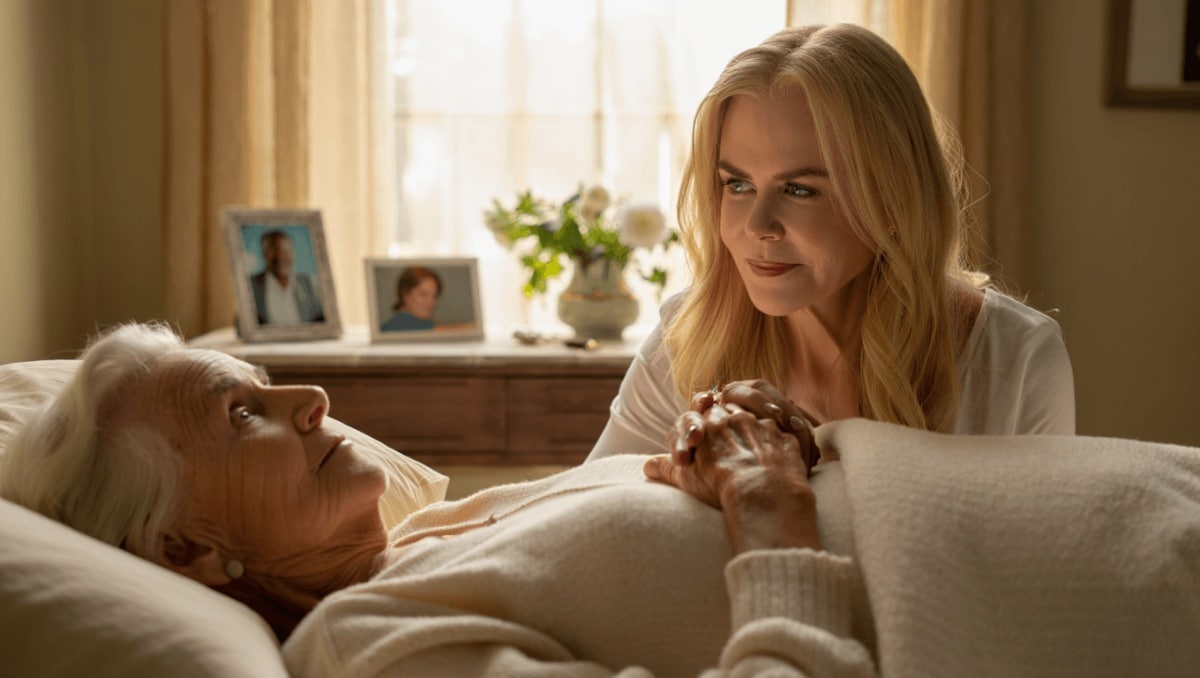
Nicole Kidman has added an unexpected line to her resume: she’s studying to become a death doula. The Oscar-winning actor is joining a growing group of people — including other public figures — who are learning to provide companionship and practical help for the dying.
Why a movie star is learning end-of-life care
Kidman has long been a visible force in film and television. Now she says personal loss nudged her toward this quieter work. Family responsibilities and limited time to sit with a dying parent left her wishing for impartial, steady presence.
Nas slams music industry over disrespect: teases new music, vows to address it
1992 vocal performances: 3 jaw-dropping moments that still amaze
Other well-known artists have followed a similar path. Director Chloé Zhao has trained as a death doula to confront her own fear of mortality. Their choices have put the role in the spotlight.
Public figures are not making this a fad. Their interest has boosted awareness of a practice many already find meaningful.
What death doulas do: simple tasks, deep impact
Death doulas do not provide medical treatment. Their value comes from attention, organization, and emotional steadiness.
- Emotional presence: Sitting with a dying person, holding space for fear and memory.
- Practical support: Helping sort keepsakes, label items, and handle small logistics.
- Comfort care: Basic, nonmedical acts like moistening a mouth or adjusting pillows.
- Advocacy: Asking questions of medical teams and negotiating care preferences.
- After-death assistance: Preparing a body for transport, coordinating with funeral services, and supporting family rituals.
Services that often surprise people
Many doulas also help with losses that are not literal deaths. They support people through divorce, the end of a career, infertility, and leaving religious communities. Experts call those experiences shadow losses.
Why demand for death doulas is growing now
Several long-term trends explain the rise. Families are often scattered geographically. More people are unaffiliated with religion. And health systems focus on treatment, not on steady accompaniment.
The pandemic accelerated interest. Widespread grief and isolation made death more visible. Social media also encouraged openness about emotional life. Those shifts nudged many to seek tools for facing mortality.
Some people pursue training from fear of their own deaths. Others start after caring for a loved one. For many, the work grows out of having witnessed the gap between clinical care and human comfort.
Training, certification, and who becomes a doula
Programs for death doulas range from weekend workshops to multiweek courses. Organizations such as the School of American Thanatology and private groups teach practical skills and ethical approaches.
- Students include caregivers, hospice workers, counselors, and people drawn by personal loss.
- Motivations vary: some want career change, others want to prepare for their own deaths.
- About one in four trainees report a strong fear of dying as part of their reason for learning.
Some doulas volunteer. Others charge hourly rates that vary widely. Fees can range from modest to several times an average hourly wage. Insurance rarely covers these services.
Where death doulas fit in health and funeral systems
Death doulas act as bridges. They help families navigate doctors, hospice, and funeral homes. They offer questions and time when institutions offer procedures and schedules.
In a few states, doulas may support people pursuing medical aid in dying by guiding paperwork and providing emotional support. In all settings, doulas emphasize dignity and choice.
They are complementary to hospice and medical teams, not replacements for clinical care. Their most important skill is bearing witness.
How this work changes those who do it
Many trainees report a transformed relationship with mortality after working closely with dying people. That curiosity about life’s end can become a calling.
- Some feel a new calm about their own future.
- Others discover a practical, hands-on niche that helps families in crisis.
- For many, the emotional reward outweighs the financial return.
Advocates caution that this has long been human work under many names. The recent attention helps normalize conversations about dying, but the root practice is ancient and persistent.










