
Show summary Hide summary
- Setting the scene: an island with tourist dreams and old fears
- Key characters and standout performances
- Behind the camera: directors and creators shaping tone
- Genre mix: how Widow’s Bay riffs on horror traditions
- Rhythm and comedic timing: scares that breathe
- Story structure: a serialized spine with episodic flavors
- Emotional core: fears rooted in everyday life
- What to expect next: characters worth revisiting
Apple TV+’s Widow’s Bay arrives as a sly, sometimes terrifying cocktail of comedy and suspense. The series leans into small-town eccentricities while delivering jolts that land hard. It’s the kind of show that makes you laugh and look over your shoulder in the same scene.
Setting the scene: an island with tourist dreams and old fears
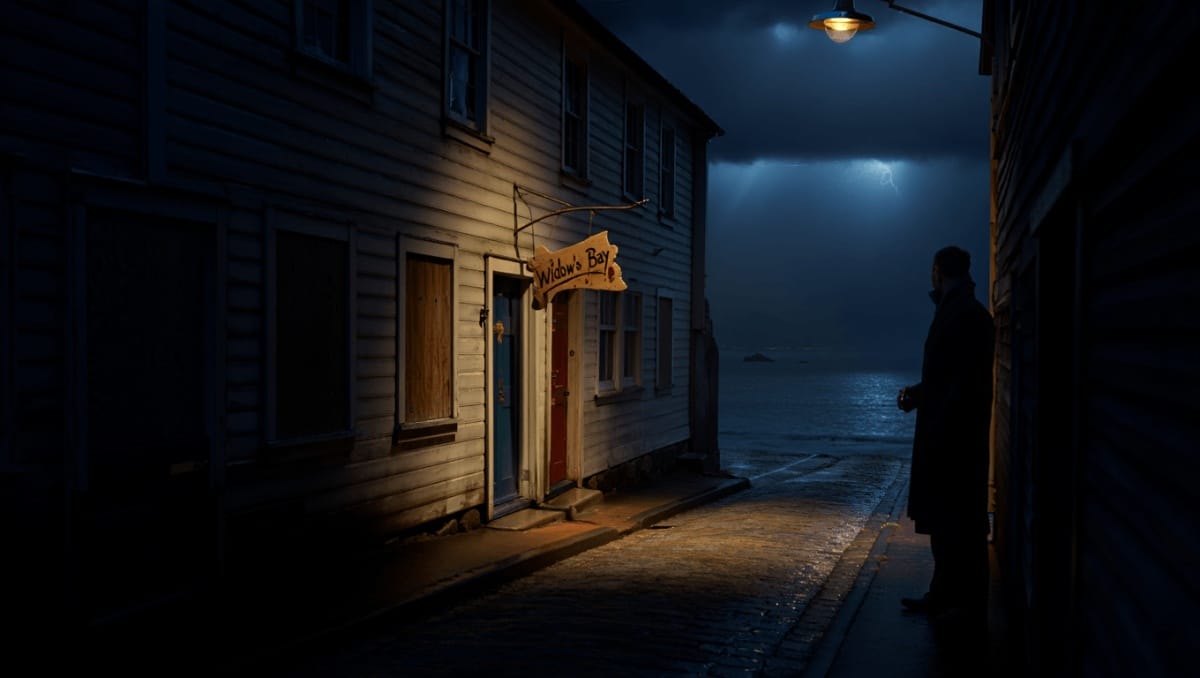
Widow’s Bay centers on a coastal community that wants reinvention. Mayor Tom Loftis, played by Matthew Rhys, has a modernization plan: attract visitors, boost the economy, and turn local superstition into seaside charm. The island pushes back. Rumors of a 1990s serial killer, whispered curses about who can leave safely, and odd local rituals keep newcomers wary.
Nas slams music industry over disrespect: teases new music, vows to address it
1992 vocal performances: 3 jaw-dropping moments that still amaze
A persistent fog heralds strange incidents, and the show quickly makes clear the threat is not just rumor. The tension starts at the municipal level—cell reception, coffee shops, new signage—and soon slides into something more ominous.
Key characters and standout performances
The cast anchors the series’ emotional core while selling its absurdities. They give the island a lived-in quality even as strange forces intrude.
- Matthew Rhys as Mayor Tom Loftis: a pragmatic leader wrestling with parenthood, image, and growing supernatural chaos.
- Kingston Rumi Southwick as Evan: Tom’s teen son, whose independence fuels many family tensions.
- Stephen Root as Wyck: a fisherman and lifelong resident who believes the island’s tales.
- Kate O’Flynn as Patricia: an eager, quirky assistant who lights up several episodes.
- Notable guest turns include Tim Baltz, Chris Fleming, and Betty Gilpin, alongside reliable scene-stealers Dale Dickey and Jeff Hiller.
Behind the camera: directors and creators shaping tone
Katie Dippold leads the series as creator and showrunner. She’s best known for strong comedic writing, including work on films by Paul Feig. Executive producer Hiro Murai brings a sharp visual sense from shows like Atlanta. A roster of directors gives each episode a distinct flavor.
- Ti West directs a Puritan-era sequence that leans into folk horror.
- Sam Donovan and Andrew DeYoung contribute episodes that emphasize dread or dark humor.
The mix of filmmakers helps the show shift effortlessly among subgenres while keeping a consistent cast and setting.
Genre mix: how Widow’s Bay riffs on horror traditions
Rather than spoofing classic movies, Widow’s Bay borrows their moods. You’ll spot nods to slasher tropes, haunted-hotel unease, and colonial-era witch lore. But the series resists broad parody. The humor is often dry, emerging from character reactions and timing rather than punchlines.
The result: episodes that feel self-contained at times, each exploring a different shade of fear.
Rhythm and comedic timing: scares that breathe
Where the show excels is in pacing. Prolonged set-pieces—pursuits, confrontations, or slow-burn reveals—hold tension long enough to become cinematic. Comic relief comes from character behavior and unexpected responses to danger.
- Characters sometimes react to threats with a muted practicality rather than screams.
- Physical comedy punctuates bleak moments, making the dread land even sharper.
- Small gestures—a slammed door, a turned shoulder—shift tone more than obvious jokes.
Story structure: a serialized spine with episodic flavors
There is an overarching mystery about the island’s fate. At the same time, many episodes explore specific horror subtypes. That structure lets the show alternate between serialized stakes and self-contained set pieces.
This approach creates variety: one chapter channels slasher energy, while another delves into period horror. Each piece deepens the world and teases different outcomes for the residents.
Emotional core: fears rooted in everyday life
The supernatural often mirrors ordinary anxieties. Parenthood, loneliness, regret, and the desire to belong drive many of the show’s scares. These human concerns give the weirdness an emotional anchor.
Character-driven moments make the threats feel personal. The mystery of the island matters less than how it pushes people to reveal who they are.
What to expect next: characters worth revisiting
Even before any future season is official, the series suggests potential directions. Minor figures and supporting players have rich backstories begging for more screen time. Salt-of-the-earth locals, quirky deputies, and troubled elders all offer material for deeper exploration.
Watching note: the first two episodes of Widow’s Bay stream on Apple TV+, with new episodes released weekly on Wednesdays.










